Which Part of Bali to Stay In When One Base Is Never Enough
Why one base in Bali is never enough and how to pair two areas—Seminyak, Canggu, Ubud, Uluwatu, or Amed—for your trip type.
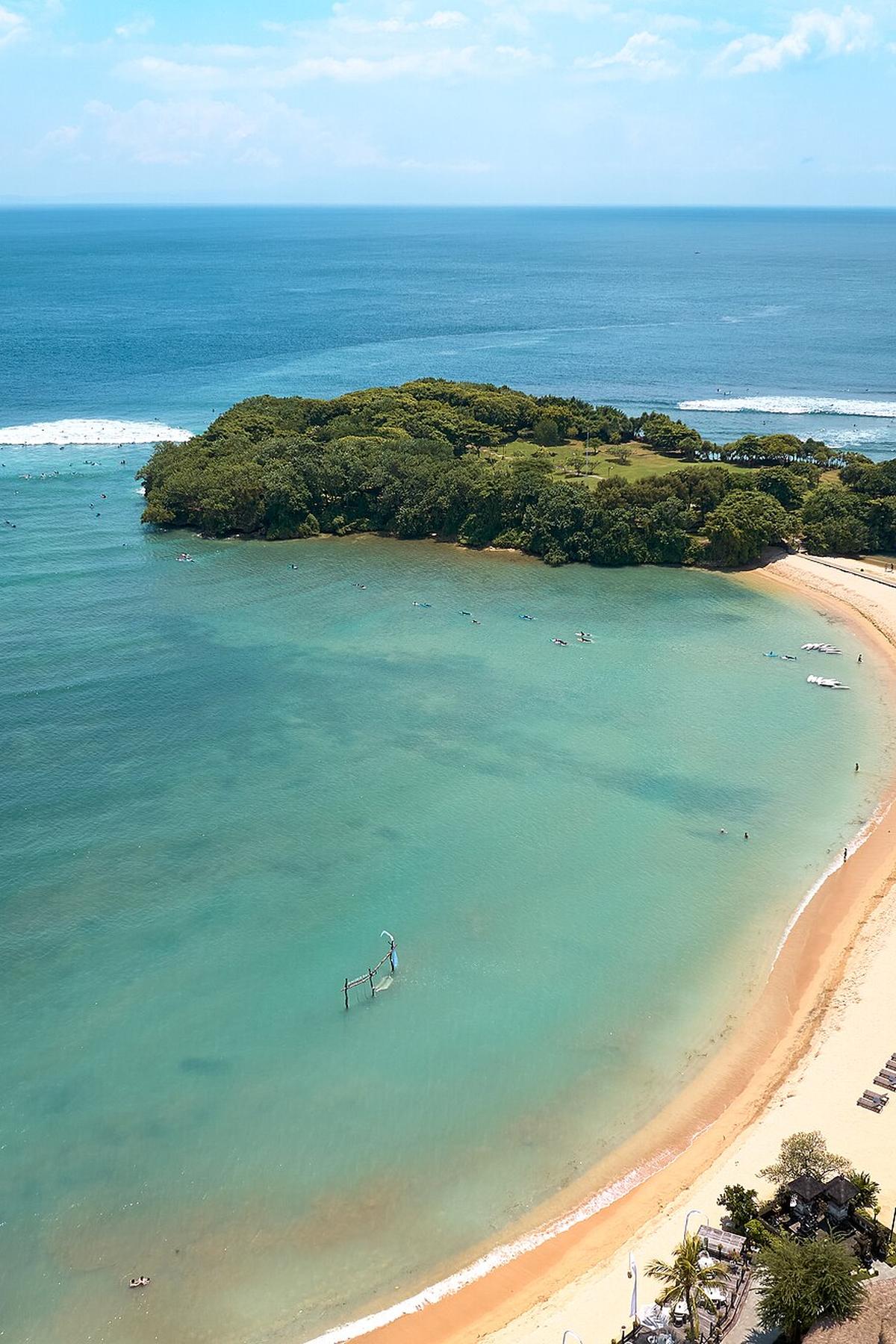

Which Part of Bali to Stay in and Why the Answer is Usually Two
Bali's traffic is not a minor inconvenience. It dictates whether you spend your holiday poolside or stuck in a car. DPS airport to Seminyak takes 30 to 60 minutes on a good day. DPS to Ubud takes 75 to 120. Canggu to Uluwatu runs 60 to 90 in normal conditions. The question of which part of Bali to stay in is the wrong question. The right question is which two parts you choose. A single base forces you to waste hours daily crossing the island instead of enjoying it.
Splitting your stay is not a compromise. It is the strategy that gives you two completely different versions of Bali without the daily backtrack. Spend 3 nights in one area and 4 in another on a 7-night trip. For 10 nights, split 5 and 5 or 4 and 6. The move between bases costs you one half day. The alternative costs you a half day every single time you cross from Ubud to Seminyak for dinner.
Bali Area Comparison: What Each Base Actually Offers
Seminyak
Seminyak is polished commercialism: high-end dining, beach clubs, boutique shopping, and sunset bars. Rooms run USD 80 to 500+ per night. A mid-range meal for two costs USD 25 to 50. The beaches are wide and sandy but have strong currents and frequent red flags. Traffic on Jalan Kayu Aya and Jalan Seminyak is heavy during peak hours.
Canggu
Canggu is surf, digital-uPhone cafes, street art, fitness studios, and nightlife. Rooms run USD 40 to 300 per night. A meal for two at a mid-range restaurant costs USD 15 to 35. The beaches are dark sand with surf breaks and strong rips. No area has patrolled swimming beaches. Traffic on Jalan Batu Bolong and Jalan Pantai Berawa is severe from 08:00 to 10:00 and 16:00 to 20:00. Canggu and Seminyak look adjacent on a map. The drive between them can take 20 to 40 minutes; during gridlock it stretches to 45. Treating them as interchangeable is a mistake.
Ubud
Ubud is yoga, temples, rice terraces, craft markets, and wellness retreats. Rooms run USD 30 to 350 per night. A meal for two costs USD 10 to 30. Traffic in central Ubud on Jalan Raya Ubud and Monkey Forest Road is severe from 09:00 to 18:00. Ubud is not a beach base. It is a jungle and culture base.
Uluwatu
Uluwatu offers advanced surf breaks, clifftop bars, and white-sand beaches at the base of cliffs. Rooms run USD 50 to 400 per night. A meal for two costs USD 15 to 40. Traffic is moderate, with congestion only at the single-entry beach access roads and the Uluwatu Temple approach.
Sanur
Sanur is a family-friendly calm-water beach, popular with an older crowd, and the ferry departure point to the Nusa islands. Rooms run USD 40 to 250 per night. A meal for two costs USD 15 to 35. Traffic is light to moderate.
Amed
Amed is shore diving, snorkelling over the USAT Liberty wreck, and black-sand beaches. Rooms run USD 20 to 150 per night. A meal for two costs USD 8 to 20. The main coastal road rarely has congestion.
Where to Base in Bali: the Transfer Time Framework
Every decision about where to base in Bali comes down to how the drive times map against your priorities. Here are the move times that matter. DPS to Seminyak: 30 to 60 minutes. DPS to Canggu: 45 to 90. DPS to Uluwatu: 40 to 60. DPS to Ubud: 75 to 120. DPS to Sanur: 20 to 35. DPS to Amed: 150 to 180.
Seminyak to Canggu: 20 to 40 minutes. Seminyak to Uluwatu: 50 to 75. Canggu to Uluwatu: 60 to 90. Seminyak to Ubud: 60 to 90. Canggu to Ubud: 60 to 90. Ubud to Sanur: 45 to 60. Ubud to Amed: 120 to 150.
The most common drive-time mistake travellers make is underestimating DPS to Ubud by 30 to 45 minutes because of afternoon traffic. The second is assuming Canggu to Uluwatu is under 45 minutes. The third is missing the last fast-boat departure from Nusa Penida to Sanur, which leaves around 16:00 to 16:30. A private car from DPS to Seminyak costs 250,000 to 400,000 IDR. To Ubud it costs 350,000 to 500,000 IDR. Use official counters or ride-hailing apps where they operate. Ignore touts.
A scooter rental costs 60,000 to 100,000 IDR per day but requires an International Driving Permit endorsed for motorcycles to avoid police fines. Ride-hailing apps like Grab and Gojek are banned from picking up passengers at many ferry piers, resort entrances, and Ubud's centre due to local taxi mafias. Walk to a main road or use a marked shelter.
Seminyak vs Canggu vs Ubud: Which Pair Wins
The comparison of Seminyak vs Canggu vs Ubud is the most common debate among first-time visitors. The answer is not one winner. It is a pairing.
Seminyak + Ubud
This is the recommended two-area split, pair number one. You get polished dining and beach clubs in Seminyak for 3 nights, then switch to jungle temples and rice terraces in Ubud for 4 nights. The drive between them takes 60 to 90 minutes. Rooms average higher in Seminyak, lower in Ubud. You experience the full contrast of Bali without any backtracking.
Canggu + Ubud
Recommended pair number two. Canggu gives you surf, digital-uPhone cafes, and fitness studios. Ubud gives you yoga and culture. Drive time is also 60 to 90 minutes. Canggu rooms are cheaper than Seminyak, with a mid-range meal for two costing USD 15 to 35.
Uluwatu + Ubud
Pair number three. Uluwatu delivers advanced surf breaks and clifftop bars. Ubud delivers rice terraces and temples. The direct Ubud to Uluwatu route runs through the same 60 to 90 minute window.
Bali Split Stay Itinerary: 7 Nights and 10 Nights
A Bali split-stay itinerary needs a minimum of 7 nights. Anything less burns too much time on check-in logistics and moves to justify two bases. For 7 nights the split ratio is 3 nights in area one and 4 nights in area two. For 10 nights the ratio shifts to 4 nights in area one and 6 nights in area two, or a perfect 5-and-5 split.
7-Night Sample: South Bali + Ubud
Arrive at DPS. Take a pre-booked car to Seminyak. Spend 3 nights there for beach clubs, high-end dining, and sunset bars. On day 4, move to Ubud in 60 to 90 minutes. Spend 4 nights in Ubud for yoga, the Sacred Monkey Forest (80,000 IDR entry), and Tegallalang Rice Terraces (25,000 IDR plus donation requests). On day 8, drive back to DPS in 75 to 120 minutes.
10-Night Sample: Canggu + Ubud + Amed
This works only if you commit to three bases and accept two travel days. Spend 4 nights in Canggu. Move to Ubud for 3 nights. Move to Amed for 3 nights. Amed to DPS takes 150 to 180 minutes. You get surf, jungle, and black-sand snorkelling in one trip. Do not attempt this with less than 10 days or you will spend more time in cars than on beaches.
The Nusa Islands Option
Sanur + Nusa Lembongan or Nusa Ceningan is recommended pair number four. The Sanur to Nusa Lembongan fast boat takes 30 to 40 minutes and runs every 30 to 60 minutes from 07:00 to 17:00. Rooms on Lembongan run USD 30 to 180 per night. The island has no cars, only scooters and buggies. Nusa Penida is a day trip from Sanur, not a base for most travellers. The roads are severely potholed and unlit, and a medical evacuation to mainland Bali takes hours.
Best Bali Neighbourhood for First Visit: the Right Pair
The best Bali neighbourhood for a first visit is not a single location. It is two locations that create contrast. A first-timer who stays only in Canggu sees surf and smoothie bowls but misses rice terraces and cliff temples. A first-timer who stays only in Ubud sees temples and yoga but misses Bali's beach culture entirely.
For a first visit, the safe pair is Seminyak + Ubud. Seminyak gives you the polished side of Bali that is easiest to navigate. Ubud gives you the cultural core. Both have robust cafe culture and co-working spaces. Both have mid-range and budget rooms. The drive between them is under 90 minutes.
For a first visit with a focus on surf, choose Canggu + Ubud. Canggu's dark-sand beaches and surf breaks are the draw. Ubud's rice terraces provide the inland contrast. The drive is the same 60 to 90 minutes.
For a first visit with a focus on diving and snorkelling, choose Sanur + Amed. Sanur gives you easy access from DPS in 20 to 35 minutes and a calm-water beach. Amed gives you shore-entry snorkelling over the USAT Liberty wreck. The drive from Ubud to Amed takes 120 to 150 minutes, so book a private car.
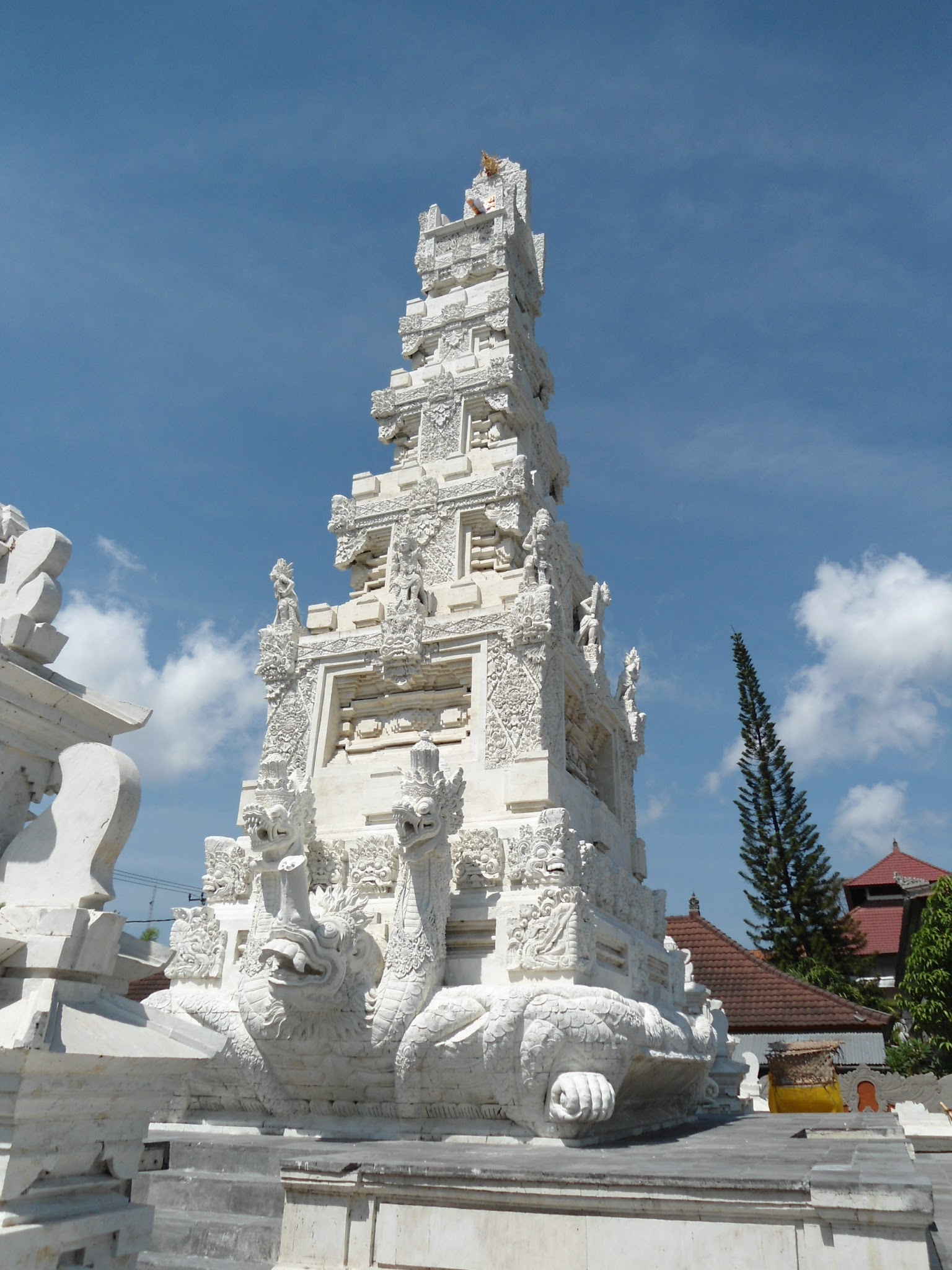

When the Transfer Kills the Trip
The single biggest mistake in any Bali trip is underestimating ferry travel days. A journey from Sanur to Nusa Penida via fast boat takes 30 to 45 minutes of crossing time, but the total time from hotel checkout to next bed is 2 to 3 hours including waiting, pier moves, and the final ride. Scheduling back-to-back 2-night stays across three islands leaves you with almost no beach time.
The Bali tourist tax of 150,000 IDR is now payable on arrival. Queues at DPS immigration can exceed 90 minutes without the electronic visa on arrival pre-applied. Plan for 90 minutes minimum between landing and getting to your car.
The rainy season runs November to March. The dry season runs April to October. High-season months are July, August, and December 20 to January 5. Shoulder season is April to June and September to November. Low season runs January to March excluding New Year week. Book rooms in high season 3 to 4 months ahead.
| Pair | First Base Purpose | Second Base Purpose | Transfer Time |
|---|---|---|---|
| Seminyak + Ubud | High-end dining, beach clubs, boutique shopping | Yoga, temples, rice terraces, craft markets | 60 to 90 minutes |
| Canggu + Ubud | Surf, digital-nomad cafes, fitness studios | Yoga, temples, rice terraces, wellness retreats | 60 to 90 minutes |
| Uluwatu + Ubud | Advanced surf, clifftop bars, pocket beaches | Yoga, temples, rice terraces, craft markets | 60 to 90 minutes |
| Sanur + Nusa Lembongan | Family beach, calm water, ferry departure | White-sand beaches, gentle surf, no cars | 30 to 40 minutes by fast boat |
| Ubud + Amed | Yoga, temples, rice terraces, wellness | Shore diving, USAT Liberty wreck, black sand | 120 to 150 minutes |
| Seminyak + Nusa Penida | High-end dining, beach clubs, sunset bars | Cliff viewpoints, manta snorkelling | 20 to 35 minutes to Sanur then 30 to 45 minutes by fast boat |
| Uluwatu + Canggu | Advanced surf, clifftop bars, pocket beaches | Surf, digital-nomad cafes, nightlife | 60 to 90 minutes |
What Bali is for and Who Should Skip it
Bali suits beach and sunshine seekers who prioritise dramatic coastal scenery. It suits budget to mid-range backpackers and flashpackers comfortable with a well-worn trail. It suits divers and snorkellers who want accessible warm-water sites. It suits digital nomads who need robust cafe culture and co-working spaces, especially in Canggu and Ubud. It suits couples and honeymooners willing to pay a premium for secluded luxury enclaves.
Bali is not for travellers seeking untouched solitary wilderness or genuine cultural immersion. Most of these stops are too commercial. It is not for those who dislike crowds, traffic, or a party-first atmosphere. Canggu's core during peak season is dense and loud. Anyone with severe mobility issues will struggle with uneven pavements, long tail-boat transfers, and a lack of accessibility infrastructure.
The thing that most often goes wrong: underestimating ferry travel days. A journey from Sanur to Nusa Penida and back consumes 4 to 5 hours door to door. A journey from Sanur to Nusa Lembongan and back consumes the same. If you cannot commit to 7 nights minimum and two bases maximum, book a single base in Sanur or Seminyak and accept that you will not see the whole island.
Read next
-
 Phuket
Pick a Phuket beach by airport transfer time, noise level after dark, and whether you want nightlife, family shallows, or a surf break.
Phuket
Pick a Phuket beach by airport transfer time, noise level after dark, and whether you want nightlife, family shallows, or a surf break.
-
 Best Time to Visit Thailand and Bali Two Monsoons Three Coasts
Two monsoon systems, three coasts, one calendar: when to visit Thailand and Bali so you chase sun not storms, with month-by-month weather and pricing.
Best Time to Visit Thailand and Bali Two Monsoons Three Coasts
Two monsoon systems, three coasts, one calendar: when to visit Thailand and Bali so you chase sun not storms, with month-by-month weather and pricing.
-
 Thailand Island Hopping Ferries How the Islands Actually Connect
Ferry connections across Thailand's islands and Bali to Nusa Penida: real door-to-door transfer times, speedboat safety, and why transfer days eat a full day.
Thailand Island Hopping Ferries How the Islands Actually Connect
Ferry connections across Thailand's islands and Bali to Nusa Penida: real door-to-door transfer times, speedboat safety, and why transfer days eat a full day.
-
 Thailand and Bali Itineraries for Two Weeks Three Weeks and What Fits
Realistic Thailand and Bali itineraries for 10 days, two weeks, and three weeks that account for ferry transfer days eating a full day each.
Thailand and Bali Itineraries for Two Weeks Three Weeks and What Fits
Realistic Thailand and Bali itineraries for 10 days, two weeks, and three weeks that account for ferry transfer days eating a full day each.
-
 Thailand and Bali Budget Islands What a Week Actually Costs Island by Island
Island-by-island weekly budgets for Thailand and Bali: real nightly rates, street food prices, scooter rental, and the hidden costs that blow the plan.
Thailand and Bali Budget Islands What a Week Actually Costs Island by Island
Island-by-island weekly budgets for Thailand and Bali: real nightly rates, street food prices, scooter rental, and the hidden costs that blow the plan.
-
 Scooters Boats and the Sea in Thailand and Bali What Actually Goes Wrong
Scooter rental scams, ferry safety in rough seas, and Nusa Penida road risks: what actually goes wrong in Thailand and Bali and how to avoid it.
Scooters Boats and the Sea in Thailand and Bali What Actually Goes Wrong
Scooter rental scams, ferry safety in rough seas, and Nusa Penida road risks: what actually goes wrong in Thailand and Bali and how to avoid it.
-
 Koh Samui vs Koh Phangan vs Koh Tao Which Gulf Island to Choose
Compare Koh Samui, Koh Phangan, and Koh Tao on beaches, nightlife, diving, and ferry logistics to choose the right Gulf of Thailand island for your trip.
Koh Samui vs Koh Phangan vs Koh Tao Which Gulf Island to Choose
Compare Koh Samui, Koh Phangan, and Koh Tao on beaches, nightlife, diving, and ferry logistics to choose the right Gulf of Thailand island for your trip.
-
 Bali, Lombok, or Nusa Penida — Ferry Routes, Real Costs, and How to Decide
Compare ferry routes, crossing times, and real ticket prices for Bali, Lombok, and Nusa Penida — then match the right island to your trip length and goals.
Bali, Lombok, or Nusa Penida — Ferry Routes, Real Costs, and How to Decide
Compare ferry routes, crossing times, and real ticket prices for Bali, Lombok, and Nusa Penida — then match the right island to your trip length and goals.