Abu Dhabi as a Quieter, Cheaper Base and a Day Trip from Dubai for Most Travellers
Abu Dhabi as a day trip from Dubai or an overnight stay: compare Sheikh Zayed Mosque logistics, hotel prices, and what the quieter capital offers beyond the Corniche.
- Flag
-

- ISO code
- AE
- Currency
- AED
Abu Dhabi as a Quieter, Cheaper Base and a Day Trip from Dubai for Most Travellers
Most travellers treat Abu Dhabi as a day trip from Dubai, and for the majority that is the right call. But the calculation shifts if you price five-star rooms, weigh the Sheikh Zayed Mosque logistics against the return bus schedule, or want beaches that do not charge a cover just to sit down. Abu Dhabi is quieter, cheaper per square metre of hotel room, and less interested in selling you a bottle-service table at 11am. The trade-off is a spread-out geography that demands taxis and a complete absence of metro connectivity. Getting here without a car works, as long as you plan around the one useful bus. The day trip delivers the mosque and a glimpse of the waterfront. Staying overnight buys you the Louvre, a mangrove paddle, and a beach morning without a cover charge.
Abu Dhabi vs Dubai Stay: Which Base Saves You Money and Peace
When Dubai Wins
Dubai wins on metro reach, late-night dining density, and the sheer spectacle of the Marina at midnight. Walkability matters there. You can eat at a different shisha café every night and walk back. Abu Dhabi cannot offer that.
When Abu Dhabi Wins
Abu Dhabi wins on nightly rate for a five-star room, often by 30 to 40 percent for equivalent brands on equivalent dates. A standard king room at the Emirates Palace or the St. Regis on the waterfront runs AED 700 to 1,200 in shoulder season; the same tier in Dubai Marina or Downtown rarely dips below AED 1,200. The catch is transport. Abu Dhabi has no metro and no walkable core. You pay for taxis or rent a car. Budget AED 80 to 150 per day for moving between Yas Island, Saadiyat Island, and the Corniche. If your itinerary is beach, museum, mosque, and bed, the savings hold. If you plan to eat at a different shisha café every night and walk back, Abu Dhabi will frustrate you.
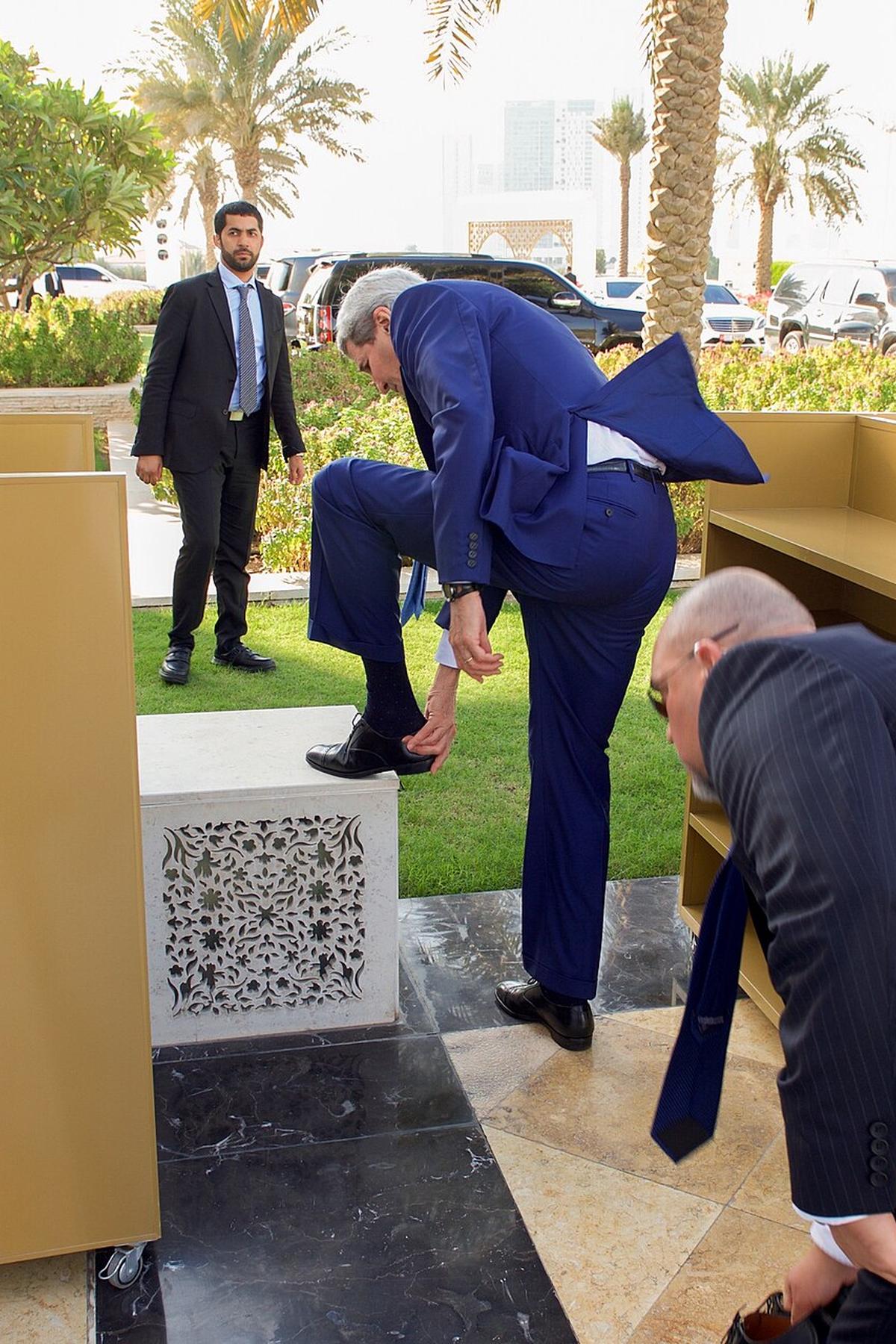
.jpg)
Abu Dhabi Hotel Prices: What a Five-Star Nightly Rate Actually Looks Like
Book through the hotel direct or an aggregator that shows the full rate including taxes and resort fees. The advertised nightly rate at a Saadiyat Island resort like the Park Hyatt or the Rixos Premium reads AED 800 to 1,100 in low season, but that excludes the mandatory 6 percent tourism fee and the AED 15 per night city tax. On Yas Island, the W Abu Dhabi and the Yas Viceroy hover around AED 600 to 900 for a standard room. Friday brunch packages and summer heat discounts in July and August can drop the rate further. Compare that to Dubai's Palm Jumeirah five-stars, which rarely go below AED 1,200 for a garden-view room. The price differential is real, and it is largest between October and April, when Dubai's demand spikes harder.
Sheikh Zayed Mosque Visit: Dress Code, Hours, and the Ramadan Reset
Dress Code Enforced at the Gate
Sheikh Zayed Grand Mosque is the single reason most people make an Abu Dhabi day trip from Dubai. It is also the place where visitors get turned away at the gate more often than any other landmark in the UAE. The dress code is strict and enforced. Women must cover hair, wrists, and ankles; loose, opaque abaya-style clothing is required, not a scarf thrown over a tank top. Men must wear long trousers and a shirt with sleeves. The mosque provides loaner abayas at the entrance, but the queue for them on a Friday morning can stretch 30 minutes.
Timing Your Visit
Arrive by 08:30 and enter through the north gate. The mosque opens to non-worshippers at 09:00, and the crowds peak between 11:00 and 14:00. During Ramadan, visiting hours shift to 09:00 to 13:00 and then reopen from 22:00 to 02:00. The guided tour is free, runs six times daily, and covers the world's largest hand-knotted carpet and the chandelier hall. Skip the paid photography pass unless you have a tripod; phone cameras are permitted in most areas.
Abu Dhabi Corniche Beach: What a Second Day Buys
If you stay overnight, the Corniche is where Abu Dhabi stops feeling like a business park. The public beach runs 8 kilometres of clean, lifeguarded sand with separate sections for families, singles, and water sports. Entry to the public stretch is free. The private Beach Club day pass at the Corniche Beach Club costs around AED 100 for a lounger and towel, including the pool. That is cheaper than any comparable beach club in Dubai's Marina or Palm. The water is calm and sits at 22 to 24 degrees Celsius in winter. Summer heat from June to September makes outdoor swimming unpleasant by 10am. Bring water shoes. The sand is fine, but the shoreline has scattered rock patches near the public access points.
Louvre Abu Dhabi and Saadiyat Island: the Cultural Layer
The Museum and the Booking Rule
A second day also unlocks Saadiyat Island, which holds the Louvre Abu Dhabi, the Manarat Al Saadiyat gallery, and a string of resort beach clubs. The Louvre Abu Dhabi requires advance booking online, especially for Friday and Saturday slots. General admission is AED 63, and the museum is closed on Mondays. Plan 2.5 hours minimum.
Beach Clubs and the Mangrove Paddle
After the museum, the beach clubs on Saadiyat's west side, like the Saadiyat Beach Club, sell day passes for AED 150 to 250, including pool and private beach access, with significantly fewer people than any Dubai equivalent. The mangrove kayak tours on the eastern side of the island run at 07:00 and 16:00, cost AED 150 per person, and get you through channels where you see herons and small rays. Book the morning slot. The afternoon heat on the water is punishing from May through October.
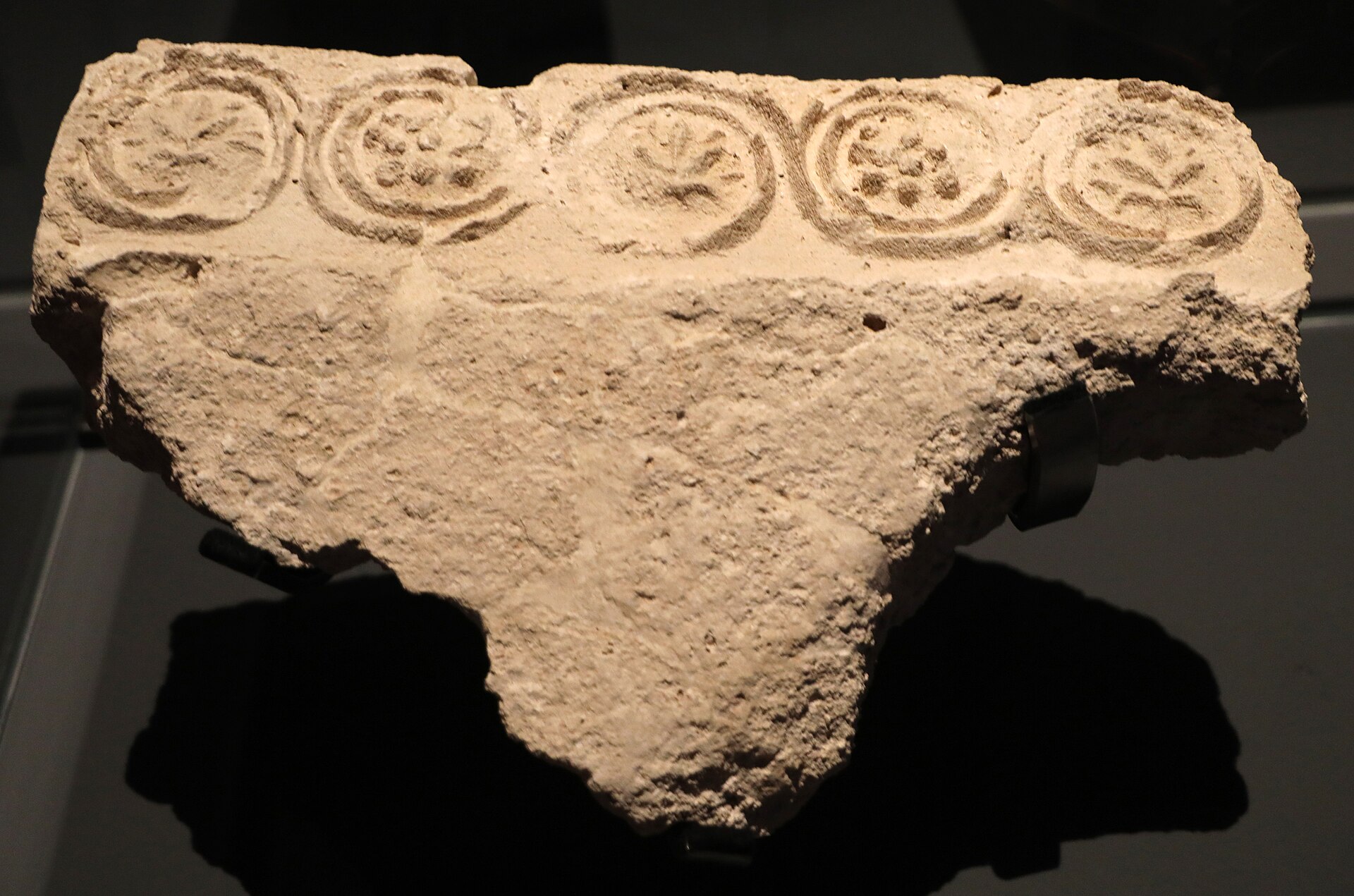
_01.jpg)
Yas Island, Ferrari World, and the Emirati Breakfast Option
Yas Island bundles Ferrari World, Yas Waterworld, the Warner Bros. World indoor theme park, and the Yas Marina Circuit. A single-day ticket to Ferrari World costs AED 310. The island is a 20-minute taxi from the Corniche and 15 minutes from AUH airport, which makes it practical as a half-day stop before a flight. But Yas is loud and commercial, the opposite of what makes Abu Dhabi distinct. If you have only one day, skip Yas and spend the morning at the mosque and the afternoon at the Corniche. If you stay overnight, add an Emirati breakfast at a place like Al Fanar Restaurant on the waterfront, where a spread of balaleet, chebab pancakes, and chami cheese runs AED 60 per person. It beats any Friday brunch on Yas for authenticity and cost.
Getting There: Dubai to Abu Dhabi Bus and the E11 Highway Drive
The Bus
The Dubai to Abu Dhabi bus is the cheapest option at AED 25 each way. Board the E101 at Ibn Battuta or the E102 at the Marina near Jebel Ali. Both drop you at Abu Dhabi's central bus station, from which a taxi to the mosque costs AED 35 and to the Corniche costs AED 30. The bus runs every 20 minutes from 05:00 to midnight. Return buses from Abu Dhabi stop at 23:00, so if you plan to stay for dinner on the Corniche, the 21:00 or 22:00 departure is your window.
The Drive
Driving the E11 is faster door-to-door but adds tolls on the Salik gates leaving Dubai, about AED 12 round trip. Parking at the mosque, the Louvre, and the Corniche is free and ample. Do not take a taxi from Dubai; the fare exceeds AED 400 each way.
What Abu Dhabi Does Not Do Well
Abu Dhabi is bad at pedestrian life. The Corniche has a dedicated path, but walking from the mosque to the museum or from the museum to a restaurant is impractical without a car or taxi. The city has no metro and the bus network is infrequent and confusing for a day visitor. Ride-hailing apps like Uber and Careem work reliably, but surge pricing hits during Friday brunch hours and after major events on Yas Island. The summer heat from June to September makes outdoor movement between air-conditioned spaces genuinely unpleasant between 11am and 4pm. If you dislike planning every move or paying for short cab rides, Abu Dhabi will grate on you faster than Dubai ever could.
Who Abu Dhabi Suits and Who Should Skip it
Go to Abu Dhabi If
Abu Dhabi suits travellers who value space over spectacle. It works for couples who want a five-star room at a four-star price, for families who want a quiet beach without a party soundtrack, and for culture travellers who care more about the Louvre's permanent collection than a Dubai mall fountain show.
Skip It If
It does not suit solo travellers who rely on walkable neighbourhoods, nightlife seekers who want options past midnight, or anyone with mobility issues who cannot manage the distance between attractions. The day trip from Dubai is right for first-time UAE visitors with a tight schedule. The overnight stay is right for anyone who wants to see the mosque at sunrise, paddle a mangrove at dawn, and sleep without hearing a bassline.
Common Questions
How long does the Dubai to Abu Dhabi bus take?
The E101 bus from Ibn Battuta Metro Station reaches Abu Dhabi's central bus station in about 90 minutes. The E102 from the Marina picks up near Jebel Ali and takes roughly 75 minutes. Both run every 20 minutes from 05:00 to midnight.
Is the E11 highway drive faster than the bus?
Driving the E11 from Dubai Marina to the Sheikh Zayed Mosque takes 60 to 70 minutes with light traffic. Friday mornings and Sunday evenings add 20 minutes. Parking at the mosque is free and plentiful.
Do I need a visa for a day trip from Dubai to Abu Dhabi?
No. Abu Dhabi is in the same emirate federation, the UAE. If your visa allows entry into Dubai, it covers Abu Dhabi. No border check exists between the two cities.
Can I visit the mosque during Ramadan?
Yes, but hours change. Non-worshippers can enter 09:00 to 13:00 and again 22:00 to 02:00. Evening visits during Ramadan are cooler and quieter, but the free guided tours are suspended.
Read next
-
 The UAE Two Cities One Desert and the Four Months You Must Avoid
Plan a UAE trip around Dubai, Abu Dhabi, and the desert, and learn why June through September is the four-month window you must avoid.
The UAE Two Cities One Desert and the Four Months You Must Avoid
Plan a UAE trip around Dubai, Abu Dhabi, and the desert, and learn why June through September is the four-month window you must avoid.
-
 Best Time to Visit the UAE and the Four Months You Should Not
The best time to visit the UAE is November to March. The four months from June through September are genuinely too hot for outdoor activity, and Ramadan shifts everything.
Best Time to Visit the UAE and the Four Months You Should Not
The best time to visit the UAE is November to March. The four months from June through September are genuinely too hot for outdoor activity, and Ramadan shifts everything.
-
 UAE Costs at the Bottom and the Top from Dorm Bed to Palace Suite
UAE costs span a Deira dorm bed and a Palm palace suite. Here is the real daily spend at the bottom and the top, with every line item counted in Dirhams.
UAE Costs at the Bottom and the Top from Dorm Bed to Palace Suite
UAE costs span a Deira dorm bed and a Palm palace suite. Here is the real daily spend at the bottom and the top, with every line item counted in Dirhams.
-
 Dubai vs Abu Dhabi Which UAE City Fits Your Trip
Dubai or Abu Dhabi for your UAE trip? One is spectacle and nightlife, the other culture and calm. Most travellers should do both, but your base depends on what kind of trip you want.
Dubai vs Abu Dhabi Which UAE City Fits Your Trip
Dubai or Abu Dhabi for your UAE trip? One is spectacle and nightlife, the other culture and calm. Most travellers should do both, but your base depends on what kind of trip you want.
-
 Getting to Indonesia's Eastern Islands Without Routing Through Bali
Skip the Bali default. Here's how to reach Flores, Komodo, and Raja Ampat through Makassar, Lombok, and Surabaya with real costs.
Getting to Indonesia's Eastern Islands Without Routing Through Bali
Skip the Bali default. Here's how to reach Flores, Komodo, and Raja Ampat through Makassar, Lombok, and Surabaya with real costs.
-
 Bali, Lombok, or Nusa Penida — Ferry Routes, Real Costs, and How to Decide
Compare ferry routes, crossing times, and real ticket prices for Bali, Lombok, and Nusa Penida — then match the right island to your trip length and goals.
Bali, Lombok, or Nusa Penida — Ferry Routes, Real Costs, and How to Decide
Compare ferry routes, crossing times, and real ticket prices for Bali, Lombok, and Nusa Penida — then match the right island to your trip length and goals.