Deciding Which Side of the Water to Sleep On in Istanbul
Where to stay in Istanbul: compare Sultanahmet, Beyoglu, and Kadikoy on sight access, Bosphorus ferry commutes, airport transfers, and the real cost of a rooftop breakfast.
- Flag
-

- ISO code
- TR
- Currency
- TRY
Deciding Which Side of the Water to Sleep on in Istanbul
You are staring at a map of Istanbul split by a glittering strip of water and you need someone to tell you where to stay. The answer is not complicated. It comes down to whether you want to wake up inside the postcard, walk out into bar noise on a steep cobblestone hill in 30-degree heat, or cross the Bosphorus every morning on a ferry with a simit in your hand. Three base types cover nearly every traveller. The historic peninsula puts your bed 400 metres from the Blue Mosque but charges tourist prices for everything you eat. Beyoglu and its waterfront neighbour deliver rooftop bars and meyhane streets on punishing gradients. The Asian-side hub gives you local prices, real çay gardens, and a ferry commute that becomes the best part of your day. Pick your trade-off.
Sultanahmet vs Beyoglu Hotels
Sleeping Inside the Postcard
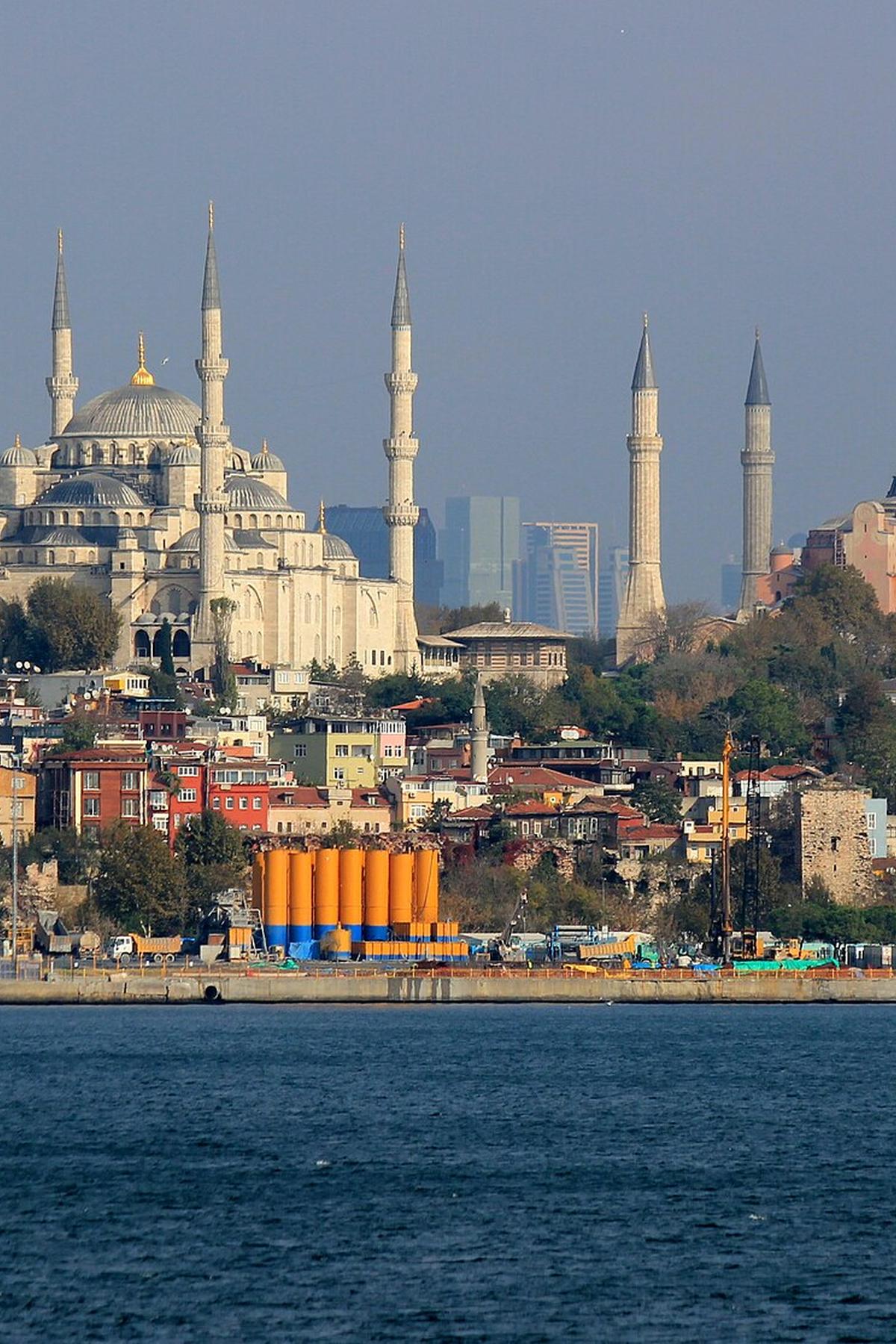
The historic peninsula is the reason you came to Istanbul. The Hagia Sophia, the Blue Mosque, the Basilica Cistern, and the Grand Bazaar are all within a 15-minute walk. You save the tram fare on line T1 because you are already there. The cost is dinner. A basic pide and a meze plate that runs 250 lira near the water will be 400 lira here, and the quality is rarely better. The second cost is sleep. The call to prayer at dawn from the Blue Mosque is loud enough to wake a light sleeper on the third floor of a boutique hotel 200 metres away. Book a courtyard room on the far side from the lift and pack earplugs. Nightly rates at a mid-range boutique run 1500 to 3000 lira depending on season. The rooftop breakfast terrace is the compensation: eating menemen and white cheese while the dome of Hagia Sophia catches the morning sun is worth the premium exactly once.
The Nightlife Trade-Off
Beyoglu is the opposite problem. You walk out of your hotel onto Istiklal Street and the noise is a wall of music, tram bells, and crowd chatter until 2am. The hills off Istiklal toward Tünel are brutal. A 15-minute walk from the funicular square to your hotel on a side street involves a 35-metre elevation gain on cobblestones that are slick in rain and uneven in dry weather. The payoff is that Beyoglu has the meyhane street you want for rakı and fish, the best rooftop bars in the city, and the waterfront district is a 10-minute downhill walk. Hotels here cluster around Galata Tower. A room in a converted 19th-century building with a view of the Golden Horn runs 1800 to 4000 lira, and you pay for the view. The tram line T1 runs through the lower neighbourhood at the base of the hill, so your connection to the historic peninsula is three stops and 10 minutes. The museum pass is best used starting from here because Topkapi Palace and the Hagia Sophia are at the other end of the line and you can hit them before the tour buses arrive.

Istanbul European vs Asian Side
What Each Shore Delivers
The European side owns the landmarks. The historic peninsula, Beyoglu, the Grand Bazaar, Galata Bridge, every major hammam that a tourist has heard of. You do not cross the water to see things. You cross the water to eat better, pay less, and breathe. The Asian side, centred on its main ferry hub, has none of the major sights. It has a ferry terminal, a fish market, a street of meyhane restaurants that locals fill every night, and a pace that the European side lost 20 years ago.
The Real Micro-Decision
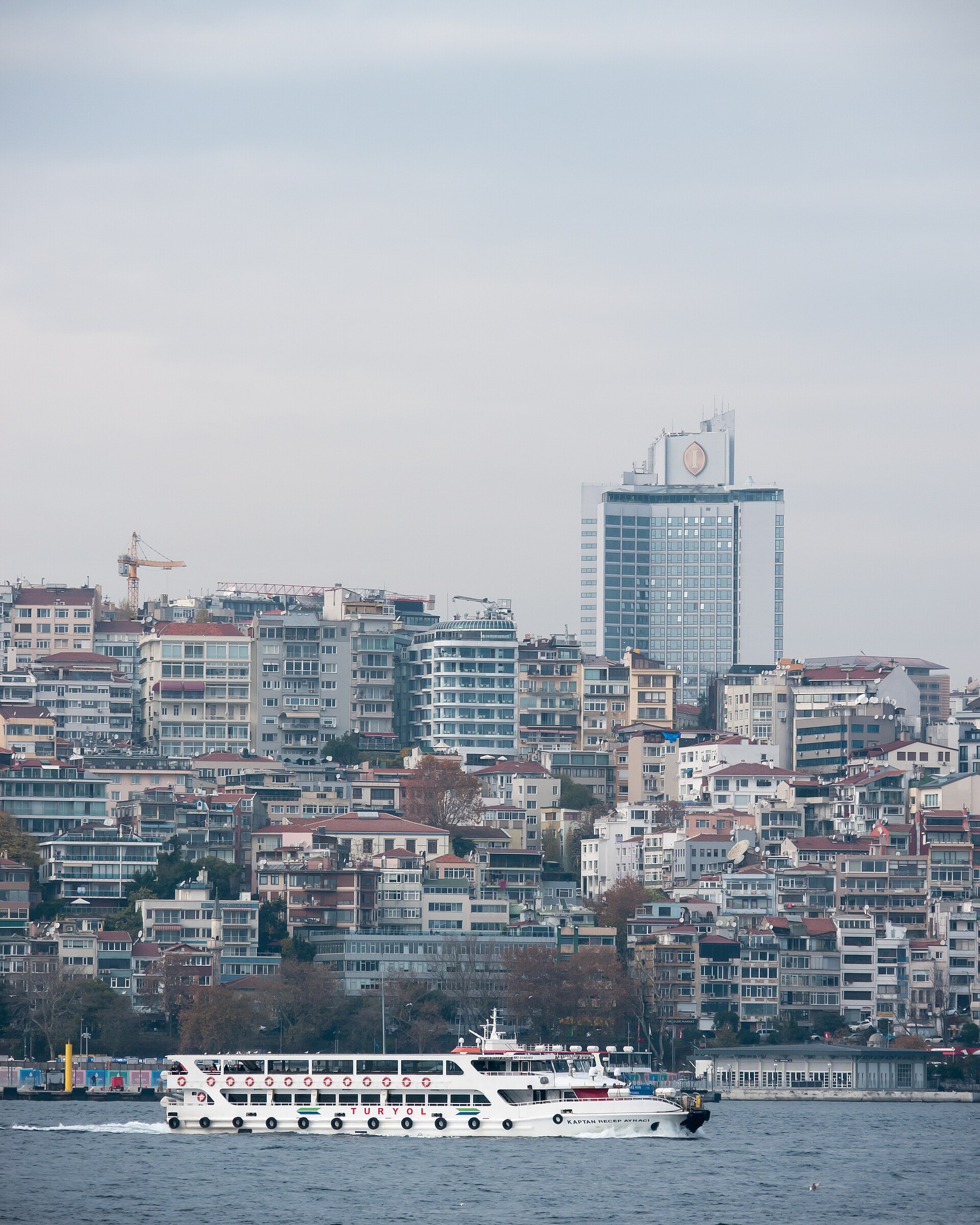
The waterfront base versus the Asian hub is the choice that matters. The European waterfront sits at sea level under Galata Bridge. The tram line T1 runs through it. The fish sandwich boats are at the dock. The cobblestone hills start immediately when you walk north. The Asian side is flat. You walk off the ferry into a grid of streets with shoe shops, spice stalls, and the sort of çay garden where the tea is 10 lira and the chair is so old the varnish has worn off. The meyhane street on this side is more authentic than anything in Beyoglu because the clientele is people who live here, not people who flew here. A full meze spread with rakı runs 500 to 800 lira per person, roughly 30 to 40 percent less than the equivalent across the water. The trade is the daily ferry commute. From the Asian terminal to Eminönü pier at Galata Bridge takes 20 minutes. To the waterfront pier is 15. The ferry departs every quarter of an hour in daylight hours and costs about 15 lira with an Istanbulkart. It is not a chore. It is the part of the day when you watch the minarets and the seagulls and drink your çay.
Istanbul Neighbourhood Guide
The Historic Core
The old city suits travellers who want to walk out of their hotel and hit every major site before lunch. The hills are gentle, the streets are narrow, and the noise is mostly tourist chatter. It does not suit anyone who resents paying 40 lira for a can of Coke. Stay here for the first two days, then move.
The Perpetual-Motion District
Beyoglu suits travellers who want nightlife, rooftop bars, and the energy of a city that does not sleep. The hills are steep. The cobblestones are treacherous after rain. The tram line T1 is the only efficient way to get to the sights. Stay here from Thursday to Sunday night, when the meyhane streets are full and the Galata Tower area hums.
The Water-Level Base
The waterfront district suits travellers who want a flat base close to the water with good food and easy transport. The nightly rate at a boutique hotel here is between 1200 and 2500 lira, cheaper than the historic core for a comparable room. The downside is that every restaurant within 200 metres of the pier has an English menu and a commission for the tout who brought you there. Walk two streets inland.
The Local-Price Neighbourhood
The Asian hub suits travellers who value local prices and authentic food over proximity to the Hagia Sophia. The airport transfer logic favours it if you are flying into Sabiha Gökçen SAW. A taxi from SAW to this side costs 400 to 600 lira and takes 45 minutes in moderate traffic. A taxi from SAW to the historic peninsula runs 600 to 900 lira and takes 70 minutes minimum. If you fly into IST airport, the Asian side is the wrong choice. The Havabus shuttle from IST to Taksim takes 50 minutes. From Taksim to the Asian terminal is another 20 minutes on the funicular and the tram. IST airport to the old city is a straight 45-minute ride on the Havaist shuttle. IST airport to the waterfront district is the same shuttle to Taksim then a 10-minute tram ride. The decision is loaded to the European side for IST arrivals and to the Asian side for SAW arrivals.
Kadikoy vs Karakoy Stay
This is the choice that splits experienced Istanbul travellers from first-timers. First-timers stay on the European waterfront because they want to be on the European side. Experienced travellers stay across the water because they have been to the Hagia Sophia already and they know the ferry is 20 minutes.
The waterfront base gives you proximity. You are a 5-minute walk from Galata Bridge, 10 minutes from the T1 tram, and 15 minutes on foot to the Galata Tower. The meyhane restaurants around the neighbourhood are good but priced for tourists. A meze plate for two with wine runs 800 to 1200 lira. The noise level drops after midnight because the residential streets are mostly offices. The hill up to Beyoglu is a workout but you can take the Tünel funicular for 15 lira. The rooftop breakfast terrace at a hotel here is a selling point because the view across the Golden Horn to the Süleymaniye Mosque is the best in the city.
The Asian hub gives you money. A comparable meal costs 500 to 700 lira. The çay gardens along the waterfront are full of families, not tourists. The Moda neighbourhood is a 15-minute walk from the ferry terminal and feels like a separate town. The downside is the commute. If your itinerary includes the Grand Bazaar, the Basilica Cistern, and the Hagia Sophia, you will cross the water twice a day, once in the morning and once in the evening. That is 40 minutes on the Bosphorus ferry each day. It is not wasted time. It is the time you watch the Galata Bridge slide past and the seagulls follow the wake. But if you have 36 hours in Istanbul, it is time you do not have.
| Traveller Type | Sultanahmet | Beyoglu/Karaköy | Kadıköy |
|---|---|---|---|
| First time, 2 days | Yes | No | No |
| First time, 4+ days | First 2 nights | Next 2 nights | Last night |
| Nightlife and bars | No | Yes | Moderate |
| Budget meal prices | Worst | Medium | Best |
| SAW airport arrival | Long transfer | Long transfer | Best option |
| IST airport arrival | Best option | Best option | Long transfer |
| Steepness tolerance | Low | Must be high | Flat |
| Call to prayer noise | Loud | Low | Very low |
.jpg)
Airport Transfer Logic and Costs
Arriving at the Main Hub
The airport you fly into decides more about where you should stay than any other factor. IST airport, the main international hub, sits 40 kilometres northwest of the historic peninsula. The Havaist shuttle to the old city takes 45 minutes in light traffic, 70 minutes in peak. To Taksim it is the same cost and 50 minutes. From Taksim you take the funicular to Kabataş then the tram to the waterfront, adding 15 minutes and 15 lira. Do not take a taxi from IST unless you have heavy bags and no budget concern. Taxi to the historic core runs 600 to 800 lira and the drivers often refuse the meter.
Landing on the Asian Side
Sabiha Gökçen SAW is the third hub on the Asian side. A taxi from SAW to the Asian ferry district costs 400 to 600 lira and takes 40 minutes. To the old city it is 600 to 900 lira and 70 minutes minimum because the driver must cross the Bosphorus by bridge. The Havabus from SAW to the Asian terminal costs 120 lira and runs every 30 minutes. The Asian hub is the obvious base for SAW arrivals. If you must stay on the European side and arrive at SAW, budget 90 minutes and 700 lira for the transfer. The ferry from the Asian side to the European waterfront is 15 minutes and 15 lira, so a strategy of one night on arrival then crossing the next morning works well.
Noise, Hills and Dawn
The Dawn Chorus Problem
The call to prayer at dawn is a real factor in the historic core. The Blue Mosque loudspeaker is calibrated to carry across the square. If your hotel has a sea-view room on the fifth floor it is loud. If your hotel has a courtyard room on the second floor with double glazing it is muffled but still audible. Do not book a room facing the Blue Mosque unless you wake before 5am anyway. Earplugs are sold at every pharmacy for 15 lira.
Bars, Bells and Bedtime
Beyoglu has a different noise problem. Istiklal Street is pedestrianised but the tram runs down the middle until midnight. The bars on the side streets close at 2am on weeknights and 4am on weekends. A room on a side street two blocks off Istiklal is quiet after 1am. A room directly on Istiklal is not sleepable until after 3am. The hill from Tünel square down to the waterfront is a 12-minute walk that drops 40 metres in elevation. Coming back up after a full day of walking is a genuine physical effort. The Tünel funicular exists and costs 15 lira but it shuts at 10pm. After that you walk the hill or take a taxi for 50 lira.
The Quiet Shore
The Asian hub is quiet by comparison. The ferry terminal area has restaurants open until midnight but the residential streets are silent by 11pm. The call to prayer is distant. The hills are minimal. The only noise factor is the seagulls at dawn if you have a waterfront room. It is the easiest side for sleep.
Common Questions
Which side of Istanbul is better for first time visitors?
The European side, specifically the historic core for the first two days. You can walk to the Hagia Sophia, Blue Mosque, Basilica Cistern and Grand Bazaar. After two days, move to the waterfront district or Beyoglu for the nightlife and food scene.
How long is the ferry from Kadikoy to the European side?
The Bosphorus ferry from the Asian terminal to Eminönü pier takes 20 minutes. To the waterfront pier it takes 15 minutes. Ferries run every 15 to 20 minutes during daylight hours.
Is Sultanahmet too touristy to stay in?
The historic core is crowded and the food prices are inflated, but the convenience of being 400 metres from the major sights is worth it for a two night stay. Avoid restaurants on the main square. Walk two streets inland.
Should I stay on the Asian side if my flight arrives at Sabiha Gokcen?
Yes. A taxi from Sabiha Gökçen SAW to the Asian ferry hub costs 400 to 600 lira and takes 40 minutes. A taxi to the old city costs 600 to 900 lira and takes 70 minutes. The Asian side is the logical base for SAW arrivals.
Read next
-
 Turkey Itinerary Istanbul the Balloons and the Coast in Between
Build a Turkey itinerary connecting Istanbul, Cappadocia's balloons, and the Turquoise Coast, with realistic domestic travel times and seasonal caveats.
Turkey Itinerary Istanbul the Balloons and the Coast in Between
Build a Turkey itinerary connecting Istanbul, Cappadocia's balloons, and the Turquoise Coast, with realistic domestic travel times and seasonal caveats.
-
 Turkey Itineraries for Seven Days Ten Days and Two Weeks of What Actually Fits
Turkey itineraries for seven, ten, and fourteen days: how many stops actually fit when you account for domestic flights, balloon cancellation buffers, and transfer friction.
Turkey Itineraries for Seven Days Ten Days and Two Weeks of What Actually Fits
Turkey itineraries for seven, ten, and fourteen days: how many stops actually fit when you account for domestic flights, balloon cancellation buffers, and transfer friction.
-
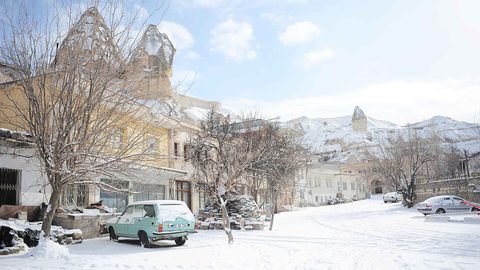 Best Time to Go to Turkey Across Three Climates and One Country
The best time to go to Turkey depends on which climate you mean: Istanbul's Marmara, Cappadocia's continental snow, or the Mediterranean coast's summer bake. Here is the month-by-month matrix.
Best Time to Go to Turkey Across Three Climates and One Country
The best time to go to Turkey depends on which climate you mean: Istanbul's Marmara, Cappadocia's continental snow, or the Mediterranean coast's summer bake. Here is the month-by-month matrix.
-
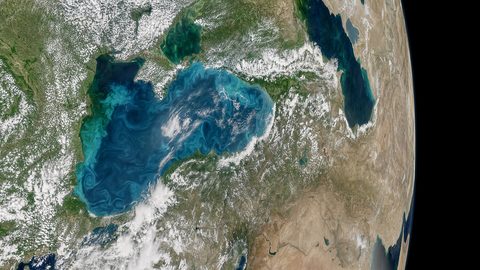 Turquoise Coast Boat Cruise Gulet Day Boat and Which Trip Is Worth It
A Turquoise Coast boat cruise means a gulet cabin charter, a private hire, or a day boat. Here is the route, the nightly rate, and which one is actually worth it.
Turquoise Coast Boat Cruise Gulet Day Boat and Which Trip Is Worth It
A Turquoise Coast boat cruise means a gulet cabin charter, a private hire, or a day boat. Here is the route, the nightly rate, and which one is actually worth it.
-
 Bali, Lombok, or Nusa Penida — Ferry Routes, Real Costs, and How to Decide
Compare ferry routes, crossing times, and real ticket prices for Bali, Lombok, and Nusa Penida — then match the right island to your trip length and goals.
Bali, Lombok, or Nusa Penida — Ferry Routes, Real Costs, and How to Decide
Compare ferry routes, crossing times, and real ticket prices for Bali, Lombok, and Nusa Penida — then match the right island to your trip length and goals.