Diving the Liberty Wreck in Amed and Exploring Bali's Black Sand Coast
The USAT Liberty wreck is Bali's best dive site, reachable from the black-sand shore of Amed. Here's the shore-entry reality, the morning current window, and what snorkellers see from the beach.
- Flag
-

- ISO code
- ID
- Currency
- IDR
Amed Diving the Liberty Wreck: What the Shore Entry Actually Feels Like
Shore Entry Reality
The USAT Liberty wreck sits in Tulamben, not Amed, but every dive operator on this coast runs trips to it, and almost every guest staying in Amed ends up there. The standard claim is that the Liberty is an easy shore entry suitable for beginners. That is true for the first five metres. The black volcanic sand gives way to rounded stones the size of your fist. The stones turn into a coral rubble shelf that requires grip to cross. You walk in from the beach, put your fins on once the water reaches your waist, and swim out maybe thirty metres before you see the hull. The whole entry takes under two minutes when the surf is flat.
Timing Is Everything
The problem is that the flat window closes early. By 09:30 the current running along the shoreline picks up noticeably. By 10:00 the viz drops as silt from the beach gets stirred into the water column. The morning dive is the correct dive. Arrive at 08:00. You get a calm entry, clear water, and the chance to see the bumphead parrotfish grazing on the wreck structure before the boat traffic from the village proper arrives. That is the honest detail most operators leave out.

Amed Bali Snorkeling: Where You Can Swim from the Beach Without a Boat
Jemeluk Bay and the Japanese Wreck
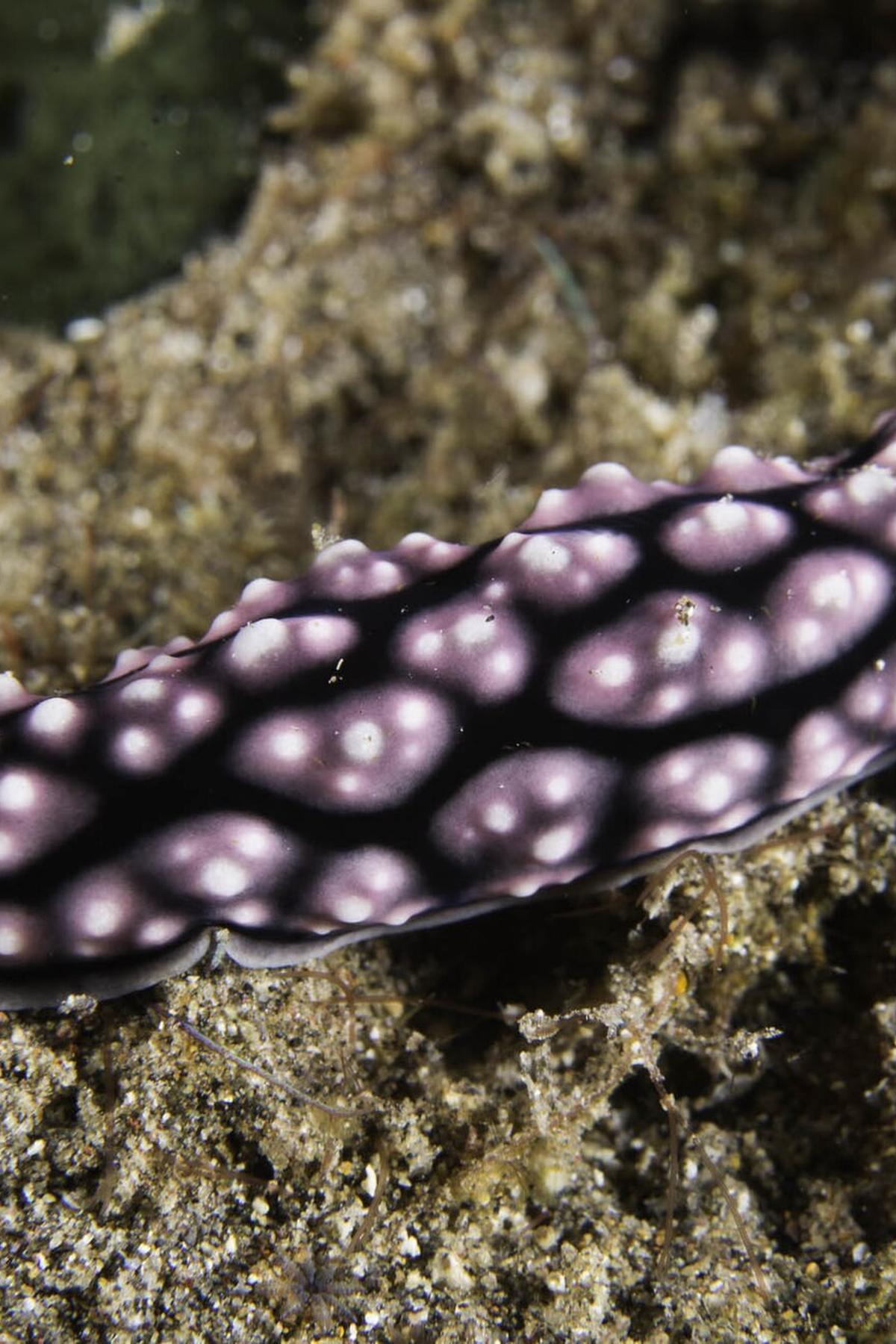
Snorkeling in Amed does not require a dive certification, a guide, or even a boat if you pick the right stretch. The coast from Jemeluk Bay north toward Lipah has several shore-entry coral gardens that hold reasonable hard coral cover and a solid number of reef fish. Jemeluk Bay is the most accessible spot: you walk off the black sand into water that deepens gradually, and the reef starts about twenty metres out at a depth of two to three metres. The best snorkeling on this coast is at the Japanese wreck site near Banyuning, a small coastal patrol boat in two to fifteen metres of water. You can see it from the surface if the sun is high and the water is flat.
What to Wear and When to Go
Wear reef shoes everywhere here. The volcanic sand is fine at the waterline, but just past it the bottom turns to broken coral and pebbles. Standing barefoot hurts. A local warung will rent you a mask and fins for about 50,000 IDR, but bring your own if you have them. The afternoon wind picks up around 14:00 most days. Plan your snorkel for the morning or the late afternoon. Sunset at Jemeluk Bay is worth the schedule: the light turns the black sand warm grey and the reef fish come into the shallows.
Amed vs Tulamben: Where to Base Yourself for the Liberty Wreck
Driving time between Amed and Tulamben is twenty to thirty minutes, so the question is not about distance. It is about what you want around you after the dive. Tulamben is a single road with dive resorts, a few warungs, and nothing else. You walk from your room to the Liberty entry point in under five minutes, which is convenient. But Tulamben has no beach culture, no evening walk worth taking, and almost no social life outside your resort. Amed is a string of fishing villages, Jemeluk, Bunutan, Lipah, Selang, Banyuning, spread along the beach road, with enough warungs, small cafes, and homestays to give you somewhere to go after the tanks are rinsed. This coast also has its own dive sites: the Japanese wreck at Banyuning and the Tulamben drop-off, a wall dive from three to seventy metres, are both reachable by a short drive or a long walk along the coast. If you are a diver who wants to do the Liberty once or twice and then spend the rest of the trip exploring other shore entries and eating grilled seafood on the sand, base in Amed. If you want to dive the Liberty every morning and care about nothing else, stay in Tulamben. Amed wins for anyone who also has a non-diving partner or wants variety.
Amed Black Sand Beach: What it is and What it is Not
The Sand and the Swimming
The black sand on the Amed coast is volcanic, not the fine white powder you get in Seminyak or Nusa Dua. It is mixed with small pebbles in many places, and the texture is coarser than most travellers expect. Swimming here is not the same as swimming on a white sand beach: you enter over stones and coral rubble, and the water drops off gradually rather than forming a long, shallow shelf. The black sand looks striking against the backdrop of Mount Agung, the active volcano that looms over the entire coast.
Where to Sit and What to Do
The best black sand stretch for actually sitting and relaxing is at Lipah, where the beach is widest and the stones are less prevalent. Bunutan and Selang have narrower strips where the sand meets the road directly. Amed is not a beach destination for anyone who wants to lie on a towel and wade in. The coast is a series of small coves, each with its own character, and the appeal is the view of the volcano and the karst hills rather than the sand itself. Non-divers can still spend a full day here: snorkel at Jemeluk in the morning, walk along the beach road to a warung for lunch, watch the light change on Mount Agung in the late afternoon, and finish with a sunset snorkel at Lipah.
Amed Accommodation: Where to Sleep Along the Black Sand Coast
Amed accommodation runs from basic homestays at 150,000 to 300,000 IDR per night up to boutique resorts and private villas at 1,500,000 to 3,500,000 IDR. The budget options cluster in the village centre of Amed proper, near the main intersection where the ATM and the small apotik are. Mid-range and high-end properties line the coast from Jemeluk to Banyuning, each with its own stretch of black sand and a warung or two within walking distance. The trade-off is straightforward: staying in the centre gives you easy access to the few shops and eateries, but the beach there is narrow and the road noise is constant. Staying in Lipah or Bunutan means a quieter room, a wider beach, and a longer walk or a short scooter ride to get dinner. Book at least two weeks ahead for July, August, and the December-to-February period. Accommodation here does not fill up as fast as Ubud or Seminyak, but the better places in Lipah and Bunutan have only six to ten rooms each and they do go. Amed is not suited to surfers, party travellers, shoppers, or anyone who needs white sand. If you want any of those, stay somewhere else.
Dive Sites Along the Amed Coast: a Practical Map
The Amed Beach Road runs roughly north to south, and the dive sites are strung along it. From south to north:
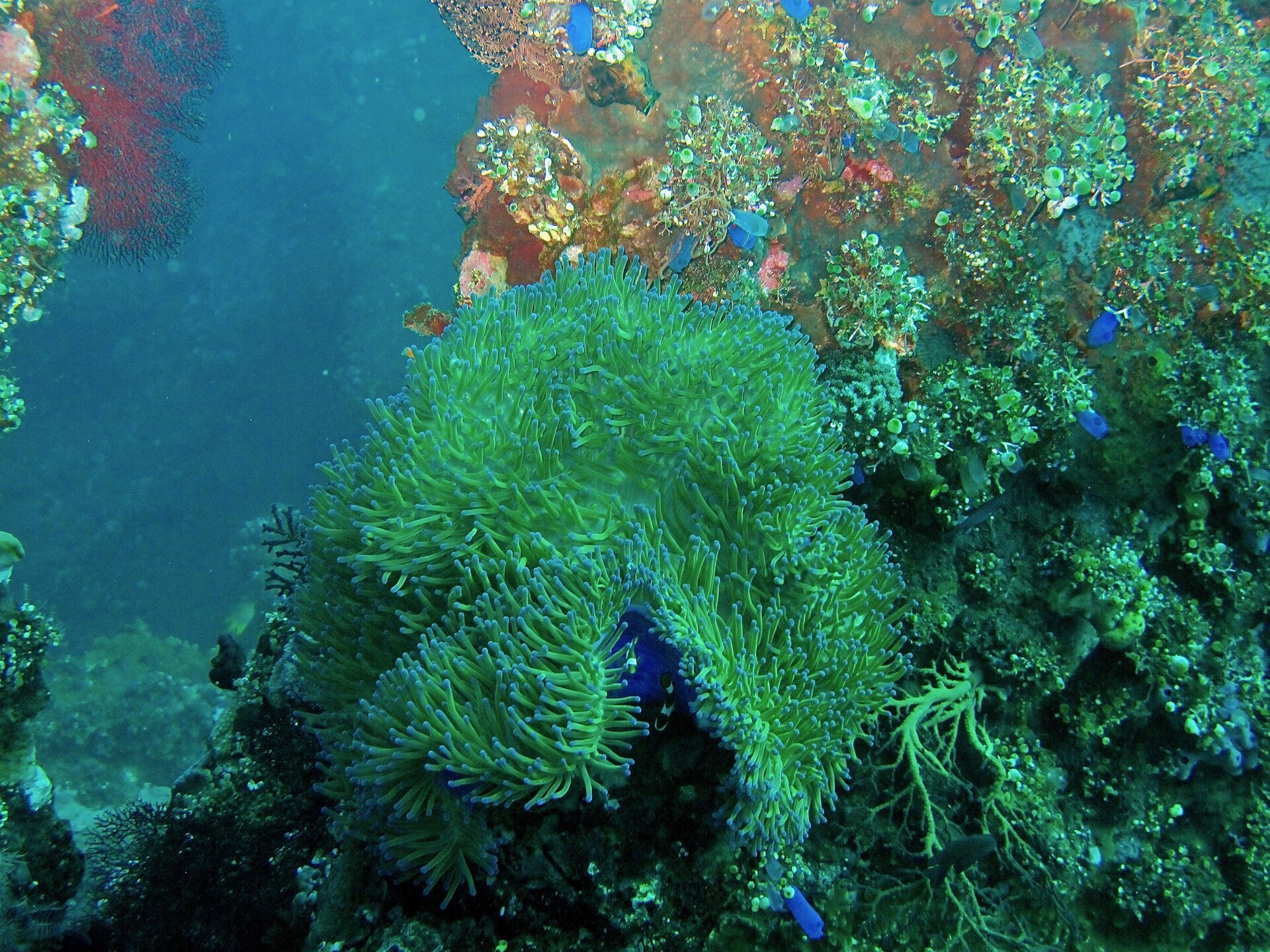
Jemeluk Bay. Shore entry over stones. The coral garden here starts at three metres and drops to about eighteen. Good for training dives and for snorkelers. The current is mild in the morning and picks up after 10:00.
Lipah. The widest beach on the coast. Shore entry over sand and rubble. The reef is a gentle slope to about twenty metres with scattered coral heads. Night dives here are reliable for small critters.
Bunutan and Selang. Narrow beaches, steeper entries. These sites see fewer divers than Jemeluk or Lipah, which means the coral is in better condition. Depth ranges from five to twenty-five metres. The drop-off here is more abrupt.
Banyuning (Japanese Wreck). The Japanese wreck is a small coastal patrol boat sitting in two to fifteen metres. Shore entry is easy when the sea is calm. The wreck is encrusted with soft coral and holds resident damselfish and the occasional lionfish. Freediving schools use this site for training because the depth is manageable and the structure is interesting.
Tulamben Drop-Off. Technically in the neighbouring village, but reachable from Amed in twenty minutes. A wall dive starting at three metres and dropping to seventy. The wall is covered in soft corals and sponges, and pelagics pass along it. This is a drift dive: the current runs parallel to the wall, so you drop in, drift, and surface at a pickup point. Nitrox is available at several Amed dive shops for this site if you plan a deep profile.

Getting to Amed and Getting Around
Arriving by Road
Amed is about 80 kilometres from Ngurah Rai International Airport (DPS), and the drive takes between two and a half and three hours. The road goes through the hills east of Ubud and then down along the coast. The last hour is winding and narrow in places. A pre-booked car from the airport costs around 400,000 IDR and is worth the money over a taxi from the airport counter, which often adds a surcharge for the distance. There is no direct fast boat from southern Bali to Amed. The nearest fast boat hub is Padangbai, a thirty to forty minute drive away, and from there you can reach the Gili Islands in one and a half to two hours or Nusa Penida in forty five to sixty minutes. Amed itself has no ferry access. You reach it by road only.
Getting Around the Coast
Once you are in Amed, the dominant mode is a rented scooter at 60,000 to 100,000 IDR per day. The beach road is flat and well paved, but it has no street lighting outside the village centre. Ride carefully after dark. An International Driving Permit endorsed for motorcycles is required by law and police do set up checks on the road between Amed and the next village north.
When to Dive and When to Skip
Seasonal Windows
The best visibility for diving around Amed and the neighbouring coast runs October to November and March to May. These windows sit outside the rainy season and the strongest monsoon winds. The rainy season runs December to February, and the dry season runs April to October. The southeast monsoon, from June to September, brings rough seas that reduce visibility and make boat entries choppy. The Liberty wreck is a shore entry, so rough seas affect it less than boat dives, but the surging swell can make the entry and exit genuinely unpleasant. If you are planning a dedicated diving trip, aim for October, November, March, or April.
Diving in Peak Season
If you are coming in July or August, dive early in the morning before the wind picks up and accept that the viz will be lower than the postcard photos suggest. The morning dive is the correct dive in any month. Arrive at the Liberty by 08:00, be in the water by 08:30, and you will have forty five minutes of good conditions before the current and the silt change the site.
Freediving in Amed
Amed has a small but active freediving school presence, and the coast is well suited to the sport because several sites have shallow structure with easy shore access. The Japanese wreck at Banyuning is the most popular freediving spot: you can reach the wreck at five metres on a single breath, and the patrol boat is short enough that you can swim its length without needing to surface. The coral gardens at Jemeluk Bay and Lipah are also used for training, with depths from three to twelve metres. The USAT Liberty wreck is freedivable, but the current and the boat traffic make it less comfortable than the local sites. Freediving schools here run courses from beginner through to advanced, and the cost is comparable to Koh Tao but without the party scene. The water temperature stays around 27 to 29 degrees year round, which is comfortable for extended surface intervals.
| Site | Entry Type | Depth Range | Best For |
|---|---|---|---|
| USAT Liberty (Tulamben) | Shore | 5–30 m | Wreck, bumphead parrotfish, beginners |
| Japanese Wreck (Banyuning) | Shore | 2–15 m | Freediving, snorkeling, small wreck |
| Tulamben Drop-Off | Shore | 3–70 m | Wall dive, pelagics, advanced divers |
| Jemeluk Bay Coral Garden | Shore | 3–18 m | Training dives, snorkeling, night dives |
Common Questions
Is the USAT Liberty wreck suitable for beginner divers?
Yes, the Liberty is suitable for beginners. The maximum depth is 30 metres, but most of the wreck sits at 5 to 15 metres. The shore entry is straightforward when the sea is flat. The current can pick up after 10:00, so beginner divers should plan a morning dive and follow their instructor closely.
How do I get from Amed to the Liberty wreck in Tulamben?
Drive north along the coast road for 20 to 30 minutes. Every dive shop in Amed runs daily trips to the Liberty. They provide transport, tanks, and weights. You do not need to arrange your own transport to Tulamben unless you are diving independently.
Can non-divers enjoy Amed while their partner dives?
Yes. Non-divers can snorkel at Jemeluk Bay and the Japanese wreck site, walk the black sand beaches, eat at warungs along the beach road, and watch the sunset over Mount Agung. Amed has no nightlife, so non-divers who want bars and clubs should stay elsewhere.
What is the drive from DPS airport to Amed like?
The drive takes 2.5 to 3 hours. The road goes through hills east of Ubud and then down a winding coastal route. Pre-book a car for about 400,000 IDR. The last hour is narrow and requires attention, especially after dark.
Read next
-
 Indonesia Which Island Which Season and How to Get Between Them
Bali, Lombok, the Gilis or Java: which island fits your trip, which season makes the logistics work, and what the crossings actually cost in rupiah and hours.
Indonesia Which Island Which Season and How to Get Between Them
Bali, Lombok, the Gilis or Java: which island fits your trip, which season makes the logistics work, and what the crossings actually cost in rupiah and hours.
-
 Bali Lombok the Gilis or Java a Straight Answer on Which Island
Bali has the infrastructure, Lombok the raw coast, the Gilis the parties or the silence, and Java the chaos. Which Indonesian island actually fits your trip.
Bali Lombok the Gilis or Java a Straight Answer on Which Island
Bali has the infrastructure, Lombok the raw coast, the Gilis the parties or the silence, and Java the chaos. Which Indonesian island actually fits your trip.
-
 Fast Boats Between Bali Lombok and the Gilis Times Cost and the Sea
Fast boats connect Bali, Lombok and the Gilis in 90 minutes on a calm day. Ticket prices in rupiah, departure ports, and the months when swell cancels everything.
Fast Boats Between Bali Lombok and the Gilis Times Cost and the Sea
Fast boats connect Bali, Lombok and the Gilis in 90 minutes on a calm day. Ticket prices in rupiah, departure ports, and the months when swell cancels everything.
-
 Best Time to Visit Indonesia Month by Month for Every Island
Month-by-month breakdown of Indonesia's seasons, crowds, and transport realities across Bali, Lombok, and the Gilis—so you pick the right window.
Best Time to Visit Indonesia Month by Month for Every Island
Month-by-month breakdown of Indonesia's seasons, crowds, and transport realities across Bali, Lombok, and the Gilis—so you pick the right window.
-
 Bali, Lombok, or Nusa Penida — Ferry Routes, Real Costs, and How to Decide
Compare ferry routes, crossing times, and real ticket prices for Bali, Lombok, and Nusa Penida — then match the right island to your trip length and goals.
Bali, Lombok, or Nusa Penida — Ferry Routes, Real Costs, and How to Decide
Compare ferry routes, crossing times, and real ticket prices for Bali, Lombok, and Nusa Penida — then match the right island to your trip length and goals.