Sanur Ferry to Nusa Penida and the Calm Bali Beach Most People Skip
Sanur is the pier for Nusa Penida and also Bali's calmest swimming beach. Here's which ferry operator to book, how the boarding works, and why you might stay longer than one night.
- Flag
-

- ISO code
- ID
- Currency
- IDR
The Sanur Ferry to Nusa Penida is Your Only Smart Option, and the Beach is Even Better
Sanur ferry to Nusa Penida is the single most reliable route to the island's limestone karsts and ragged coastline, and it is also the reason most visitors never give Sanur a proper look. The fast boats leave from Jalan Hang Tuah starting at 07:00 WITA, make the 30 to 45 minute crossing, and drop you onto Penida's shore with a wet landing. Open the door the other way and Sanur's reef-protected lagoon offers a swimming experience that Canggu's surf cannot touch. Sanur works as two things at once: the primary departure pier for Nusa Penida and a legitimate beach stay that most people wrongly skip.
Sanur Beach Bali: the Swimming Beach That Surfers Ignore
What The Water Is Actually Like
Sanur beach Bali is a 5 kilometre stretch of pale gold to light grey sand, coarse with crushed coral and shell fragments, fronting a lagoon that stays flat year round. The reef breaks the swell before it reaches shore. No waves. No rip currents. Safe swimming for anyone who can stand. At extreme low tide the depth drops to knee-high, but at most hours the water sits deep enough to swim properly. Families with toddlers, visitors over 55, and anyone who finds the surf breaks at Canggu too rough will find this beach a genuine relief.
The Boardwalk And The Sunrise Crowd
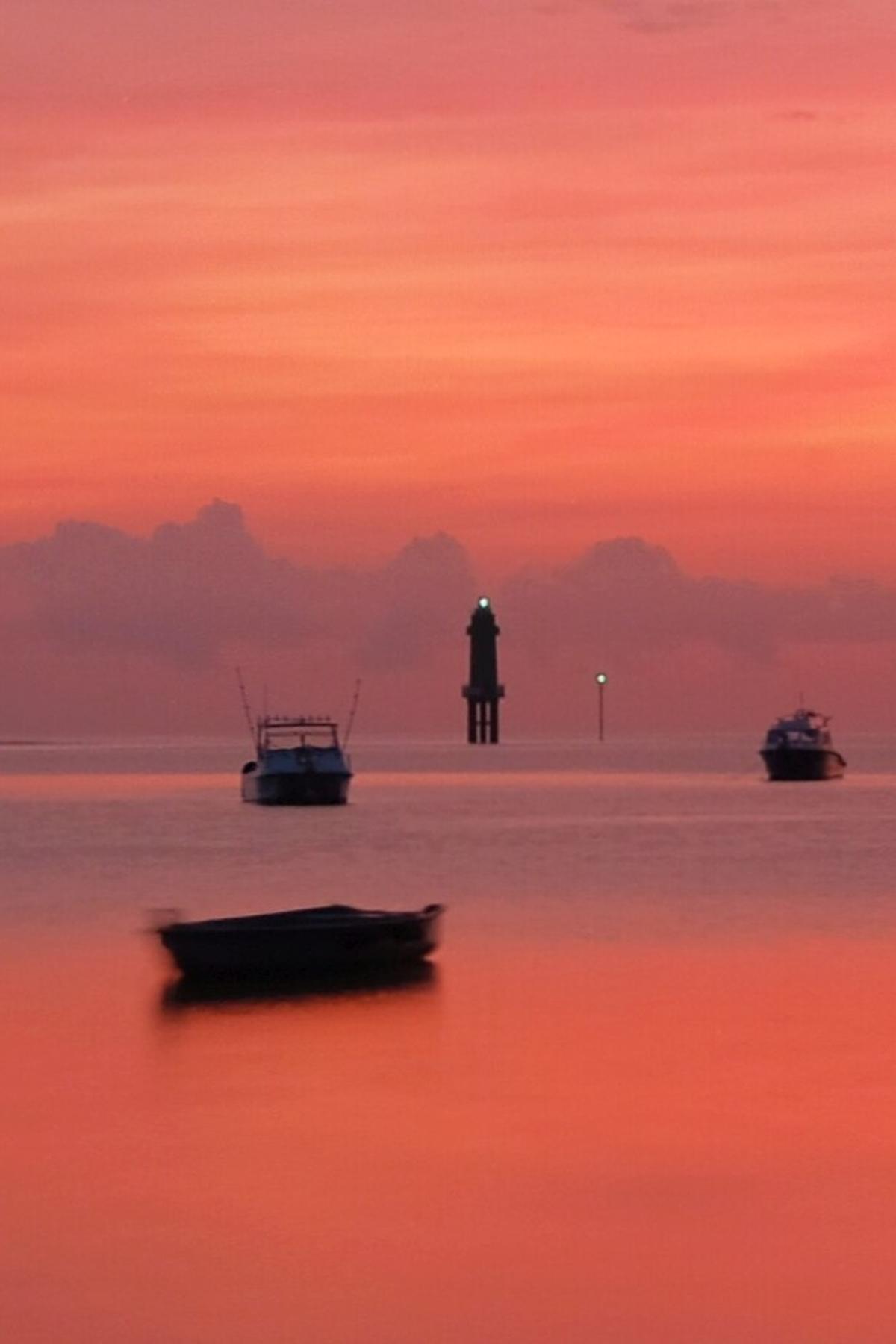
The 5 kilometre boardwalk and cycle path runs from Mertasari to Jalan Hang Tuah and sees a steady stream of walkers and cyclists at sunrise. Sunrise is the event here. The sun lifts off the horizon between 06:00 and 06:30 WITA year round. Because Sanur faces east, there is no sunset visibility. If you want that, drive 30 to 40 minutes to Serangan or Seminyak. Beach vendors operate at low to moderate intensity. No aggressive hawking. A sun lounger costs IDR 50,000 to 100,000 per day. Public toilets are limited to beach entrances and warungs. Lifeguards patrol flagged zones at Segara Ayu and Mertasari. Mertasari also has ramp access for disabled visitors.
The typical crowd here is aged 40 to 70: families with young children, retirees, and long-stay European snowbirds. It is not a party beach. It is not a young backpacker beach. It is the best swimming beach in South Bali for non surfers, and most people skip it because they assume the ferry pier is all there is.

Sanur vs Canggu: Two Completely Different Bali Beaches
Sanur vs Canggu is not a competition. They serve different people entirely. Canggu is surf, smoothie bowls, co-working spaces, and gridlock traffic. Its beach has strong currents and a party atmosphere that attracts the 18 to 30 crowd. Sanur is flat water, boardwalks, and early bedtimes. The crowd age here skews 40 to 70. Canggu has sunset. Sanur does not. Canggu has nightlife. Sanur has quiet dinners on Jalan Danau Tamblingan. If you want to surf, party, or blend into a youth-oriented social scene, choose Canggu. If you want to swim safely, cycle without inhaling scooter exhaust, and sleep through the night without bass thumping until 03:00, choose Sanur.
The only thing Canggu does better than Sanur is sunsets and social hostels. Sanur does everything else for a non-surfing visitor more comfortably, and at lower cost. A budget room in low season in Sanur runs IDR 250,000 to 500,000 per night. In high season, IDR 400,000 to 800,000. Mid-range resorts go from IDR 800,000 to 1,500,000 in low season, IDR 1,200,000 to 2,500,000 in high. Luxury resorts on the sand start at IDR 2,500,000 in low season and climb to IDR 12,000,000 plus in high. Canggu's equivalent rooms sit at the upper end of those bands and the noise level is higher for the same price.
Sanur Hotels: Where to Stay on the Beachfront Path
Beachfront Versus Inland
Sanur hotels cluster along two main axes: the shore on the east side, and Jalan Danau Tamblingan about 200 metres inland. The beachfront path connects them all. Staying on the sand side puts you directly on the boardwalk and cycle path, with sunrise access and easy morning swimming. Inland properties on Jalan Danau Tamblingan are cheaper and closer to ATMs, warungs, and the Sindhu Market, but you walk to the water. The Sindhu Market operates as a night market with prepared food and local goods; visit for dinner but expect standard tourist prices. Budget visitors should look South of the Sindhu area near Mertasari, where rooms are quieter and the beach is wider.
Where To Find Value
Mid-range options cluster around the Segara Ayu area. Luxury resorts on the sand occupy the stretch north of Jalan Hang Tuah. Avoid rooms directly above Jalan Danau Tamblingan during high season if you need quiet. The scooter and taxi traffic on that road is constant. The best value in Sanur is a mid-range resort on the shore in low season. You get reef protected swimming, a daily sun lounger, and direct access to the path that runs the full 5 kilometres. From your hotel to the Sanur Harbour fast boat pier on Jalan Hang Tuah is a short walk or Gojek ride.
Grab and Gojek are permitted at the airport pickup zone at DPS. The airport to Sanur drive time is 20 to 35 minutes, traffic dependent. A prepaid airport taxi costs IDR 150,000 to 250,000 at rates published by the airport operator and subject to annual revision. Do not pay more. Do not use touts.
Nusa Penida Fast Boat: Safety Records, Wet Landings, and How to Book
The Operators That Run On Time
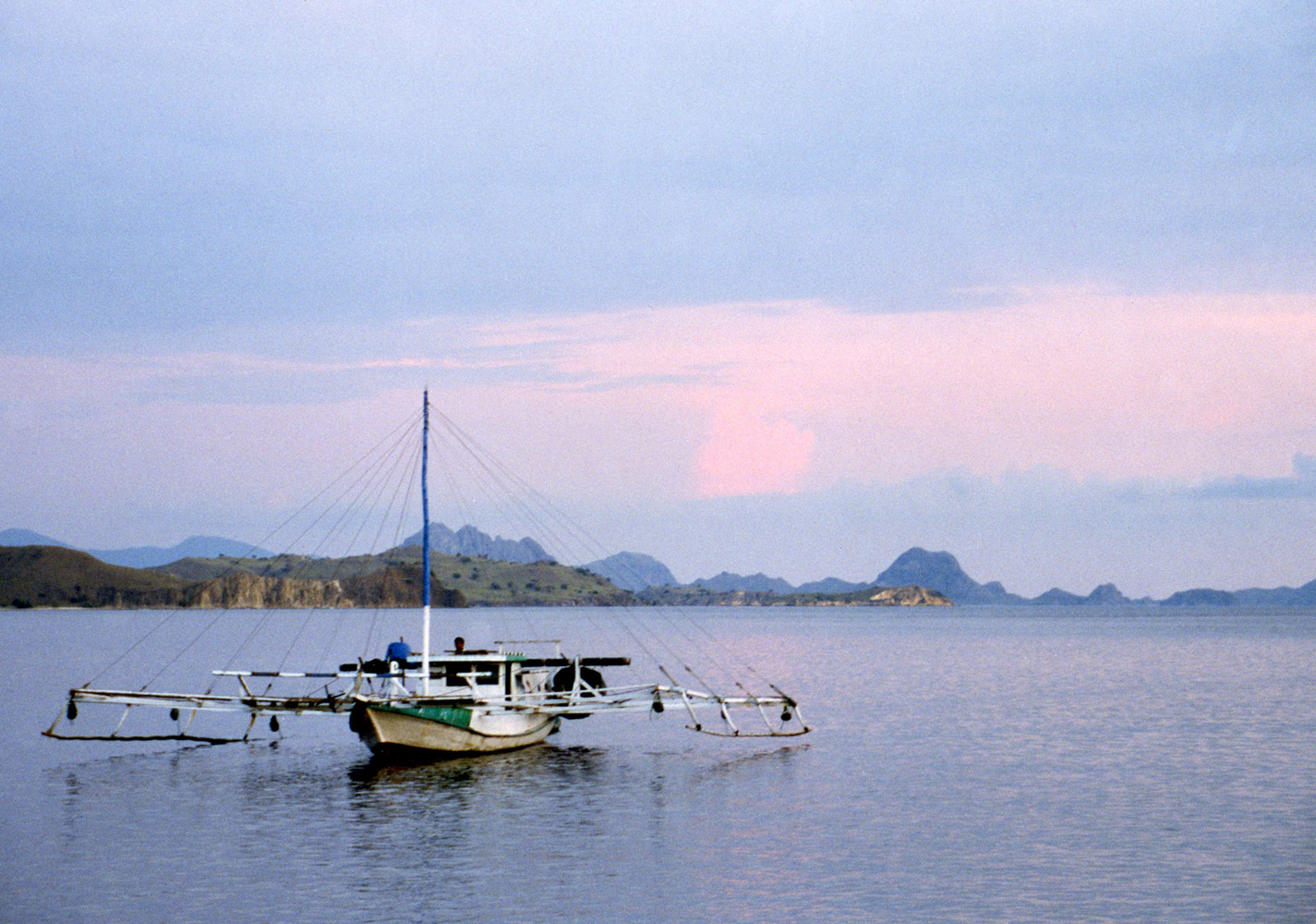
Between 15 and 20 fast boat operators run from Sanur Harbour on Jalan Hang Tuah to Nusa Penida. Crossing time is 30 to 45 minutes. First departures are 07:00 to 07:30 WITA. Last return boats leave Penida between 16:00 and 17:00 WITA. The two most established companies are Scoot Fast Cruises and Maruti. Both have consistent safety records and clear cancellation policies. Scoot Cruises runs newer fiberglass hulls with covered seating and life jackets accessible on board. Maruti operates similar vessels. Both charge roughly IDR 150,000 to 200,000 return. Public ferries exist but are slower and less comfortable; the public ferry is the budget option for locals and visitors who do not mind a longer crossing with cargo.
Booking And The Wet Landing
Book the fast boat through your hotel or directly at the operator kiosks on Jalan Hang Tuah the afternoon before. Do not book through a third party who asks for payment in advance by bank transfer. The wet landing at Nusa Penida is a reality you need to prepare for. Fast boats cannot dock at a pier on Penida. They pull onto the sand or a concrete ramp and passengers step off the boat into water that can reach waist height. You will get your shoes wet and the bottom half of your daypack. Pack electronics and passports in a dry bag.
Roads, Health Risks, And When Not To Go
The potholed roads on Nusa Penida make the ride from the landing to any accommodation or viewpoint a bone rattling 30 minute to hour long journey. Medical evacuation from Penida back to a hospital in Bali takes hours and requires a boat. If you have a serious medical condition, do not stay overnight on Nusa Penida. Day trip it from Sanur. The seas are roughest in January, February, and early March, which also coincide with the peak cancellation months for fast boats. December to February and July to August are high season. Avoid the January to February window if you have a strict schedule for the Nusa islands.
| Operator | Crossing Time | First Departure | Last Return | Return Fare (2024 Rate) |
|---|---|---|---|---|
| Scoot Fast Cruises | 30 45 min | 07:30 WITA | 17:00 WITA | IDR 150,000 200,000 |
| Maruti | 30 45 min | 07:00 WITA | 16:30 WITA | IDR 150,000 200,000 |
| Public Ferry | 60 90 min | 06:00 WITA | 16:00 WITA | IDR 80,000 100,000 |
How to Navigate Sanur Harbour and the Boarding Pier
Sanur Harbour is not one single building. It is a series of open air ticket kiosks and waiting areas along Jalan Hang Tuah. Each operator has its own boarding pier. Fast boat operators and ticket sellers line the street. You walk up to the counter, show your booking confirmation, pay if you have not already, and walk straight to the pier. Arrive 30 minutes before departure. No advance booking is required for most crossings outside peak season. During July, August, and the December 20 to January 10 window, buy your ticket a day ahead.
The boarding pier area is concrete, uneven, and crowded with luggage. There is no sheltered queue. Bring water, sunscreen, and your dry bag. Ride-hailing apps like Grab and Gojek are banned from picking up passengers directly at the pier due to local taxi arrangements. You must walk to Jalan Hang Tuah proper or use a marked shelter on the main road to order a ride. The same restriction applies at many hotel entrances in Sanur. Do not rely on an app to find you at the beachfront path. Walk to the road.

Worth it if
- Reef protected lagoon with safe swimming year round, best in South Bali for non surfers
- 5 km boardwalk and cycle path with no motorised traffic, excellent for sunrise walks
- Fast ferry to Nusa Penida in 30 to 45 minutes with reliable operators
- Airport is 20 to 35 minutes away, significantly closer than Ubud or Canggu
- Lower accommodation costs than Seminyak and Canggu for comparable quality
- Family friendly with lifeguard zones and disabled ramp access at Mertasari
Skip it if
- No sunset visibility east facing beach forces a drive to Serangan or Seminyak
- Beach gets shallow at extreme low tide, not suitable for lap swimming
- Restaurant and nightlife options are limited compared to Seminyak and Canggu
- Ride share apps banned at the harbour pier requiring a walk to the main road
- Rainy season from November to March affects both beach lounging and ferry schedules
What Sanur is Bad At: the Honest Version
Sanur is bad at sunsets. You cannot watch one from the beach because it faces east. Drive to Serangan or Seminyak for that. It is bad at nightlife. The bars close early and the energy is low. Anyone looking for a club scene or a party hostel will be bored within one evening. It is bad at surf. The reef kills the waves before they form. Surfers should go to Canggu or Uluwatu.
It is bad at social hostels for solo backpackers aged 18 to 30. The accommodation stock leans toward mid-range resorts and family villas. It is bad at wet season swimming. From November to March the rain and wind reduce the number of pleasant beach hours, and the lagoon can look grey and choppy even if the waves remain small. It is bad at getting around without a scooter if you are staying inland. The 5 kilometre beachfront path is walkable, but Jalan Danau Tamblingan has no dedicated footpath in many stretches and the scooter traffic is constant. It is bad at handling crowds during peak season. July, August, and the Christmas to New Year period fill the boardwalk, the warungs, and the fast boat queues. If you want solitude, come in April, May, or October.
Who Sanur Suits and Who Should Skip it
Sanur suits families with toddlers who need shallow, wave free water. It suits visitors over 55 who want a beachfront walk without dodging scooters. It suits divers and snorkellers who need a fast boat to Nusa Penida or Nusa Lembongan and want to sleep somewhere quiet. It suits cyclists who will use the 5 km boardwalk from Mertasari to Jalan Hang Tuah every morning. It suits anyone who finds Canggu's surf too rough and Seminyak's traffic too chaotic. It suits arrivals at DPS airport who want to be on a sun lounger within 30 minutes.
Sanur is not suitable for surfers. It is not suitable for party visitors or solo backpackers seeking social hostels. It is not suitable for sunset chasers who refuse to drive to the west coast. It is not suitable for anyone under 30 who prefers a high energy beach scene. It is not suitable for anyone with severe mobility issues who needs smooth, even pavement from hotel to beach; the sand is coarse and the beachfront path has uneven sections. Sanur is a specific beach for a specific person, and if that person is you, you will wonder why everyone else skips it.
Common Questions
Which Sanur ferry to Nusa Penida is most reliable?
Scoot Fast Cruises and Maruti are the two most reliable operators. Both run newer boats, have published schedules, and maintain consistent cancellation policies. The 2024 return fare for each is IDR 150,000 to 200,000. Avoid unmarked operators with cash only pricing at the pier.
Is Sanur worth staying in or just a departure point?
Sanur is worth staying in if you want safe swimming, a flat beach, and quiet evenings. It is not worth staying in if you want surf, nightlife, or a young social scene. The reef-protected lagoon, 5 km boardwalk, and calm crowd make it a legitimate beach stay for families and visitors over 55.
What is a wet landing at Nusa Penida and how do I prepare?
A wet landing means the fast boat pulls onto sand or a concrete ramp and you step off into water up to waist height. Your shoes and the bottom of your bag will get wet. Pack electronics in a dry bag and wear sandals you can slip off.
When are the fast boat cancellations most common?
January through late March sees the roughest seas and highest cancellation rates. If you have a strict schedule for Nusa Penida, travel during the dry season from April to October. The peak season months of July, August, and late December also have reliable weather but crowded boats.
Can I use a Gojek or Grab at Sanur Harbour?
Gojek and Grab are banned from picking up passengers directly at the pier. You must walk to Jalan Hang Tuah or use a marked ride shelter on the main road. Both apps operate freely at the DPS airport pickup zones.
Read next
-
 Indonesia Which Island Which Season and How to Get Between Them
Bali, Lombok, the Gilis or Java: which island fits your trip, which season makes the logistics work, and what the crossings actually cost in rupiah and hours.
Indonesia Which Island Which Season and How to Get Between Them
Bali, Lombok, the Gilis or Java: which island fits your trip, which season makes the logistics work, and what the crossings actually cost in rupiah and hours.
-
 Bali Lombok the Gilis or Java a Straight Answer on Which Island
Bali has the infrastructure, Lombok the raw coast, the Gilis the parties or the silence, and Java the chaos. Which Indonesian island actually fits your trip.
Bali Lombok the Gilis or Java a Straight Answer on Which Island
Bali has the infrastructure, Lombok the raw coast, the Gilis the parties or the silence, and Java the chaos. Which Indonesian island actually fits your trip.
-
 Fast Boats Between Bali Lombok and the Gilis Times Cost and the Sea
Fast boats connect Bali, Lombok and the Gilis in 90 minutes on a calm day. Ticket prices in rupiah, departure ports, and the months when swell cancels everything.
Fast Boats Between Bali Lombok and the Gilis Times Cost and the Sea
Fast boats connect Bali, Lombok and the Gilis in 90 minutes on a calm day. Ticket prices in rupiah, departure ports, and the months when swell cancels everything.
-
 Best Time to Visit Indonesia Month by Month for Every Island
Month-by-month breakdown of Indonesia's seasons, crowds, and transport realities across Bali, Lombok, and the Gilis—so you pick the right window.
Best Time to Visit Indonesia Month by Month for Every Island
Month-by-month breakdown of Indonesia's seasons, crowds, and transport realities across Bali, Lombok, and the Gilis—so you pick the right window.
-
 Bali, Lombok, or Nusa Penida — Ferry Routes, Real Costs, and How to Decide
Compare ferry routes, crossing times, and real ticket prices for Bali, Lombok, and Nusa Penida — then match the right island to your trip length and goals.
Bali, Lombok, or Nusa Penida — Ferry Routes, Real Costs, and How to Decide
Compare ferry routes, crossing times, and real ticket prices for Bali, Lombok, and Nusa Penida — then match the right island to your trip length and goals.