Antalya: A Roman Old Town with a Resort Coast Bolted On
Antalya old town Kaleici is a Roman harbour wrapped in walls, and the resort coast of Lara and Konyaalti is bolted on beyond it. Here is how to choose between the two.
- Flag
-

- ISO code
- TR
- Currency
- TRY
Inside the Walls and Out on the Coast
At 08:00 the morning light hits the ochre stone of Hadrian's Gate before the first tour group arrives, and for a short stretch Kaleici belongs to the cats and the few guests walking up from the Roman harbour with paper cups of Turkish coffee. By 09:30 the tour leader with the yellow flag will have rounded up his group, but that gap is the real Antalya old town. Below the walls, a different world has been awake for hours: Lara's all-inclusive blocks have already laid out the pool towels and the pebble shore west of the cliffs has swallowed its first wave of joggers. The only question that matters for a first-time trip: do you sleep inside the Roman-Ottoman knot of Kaleici, or do you check into a resort strip on either beach? The honest answer is a trade-off between atmosphere and pool access, and the decision depends entirely on how you want to spend your daylight hours.
Kaleici Antalya: Sleep Inside the Roman Harbour
What A Room Here Actually Gets You
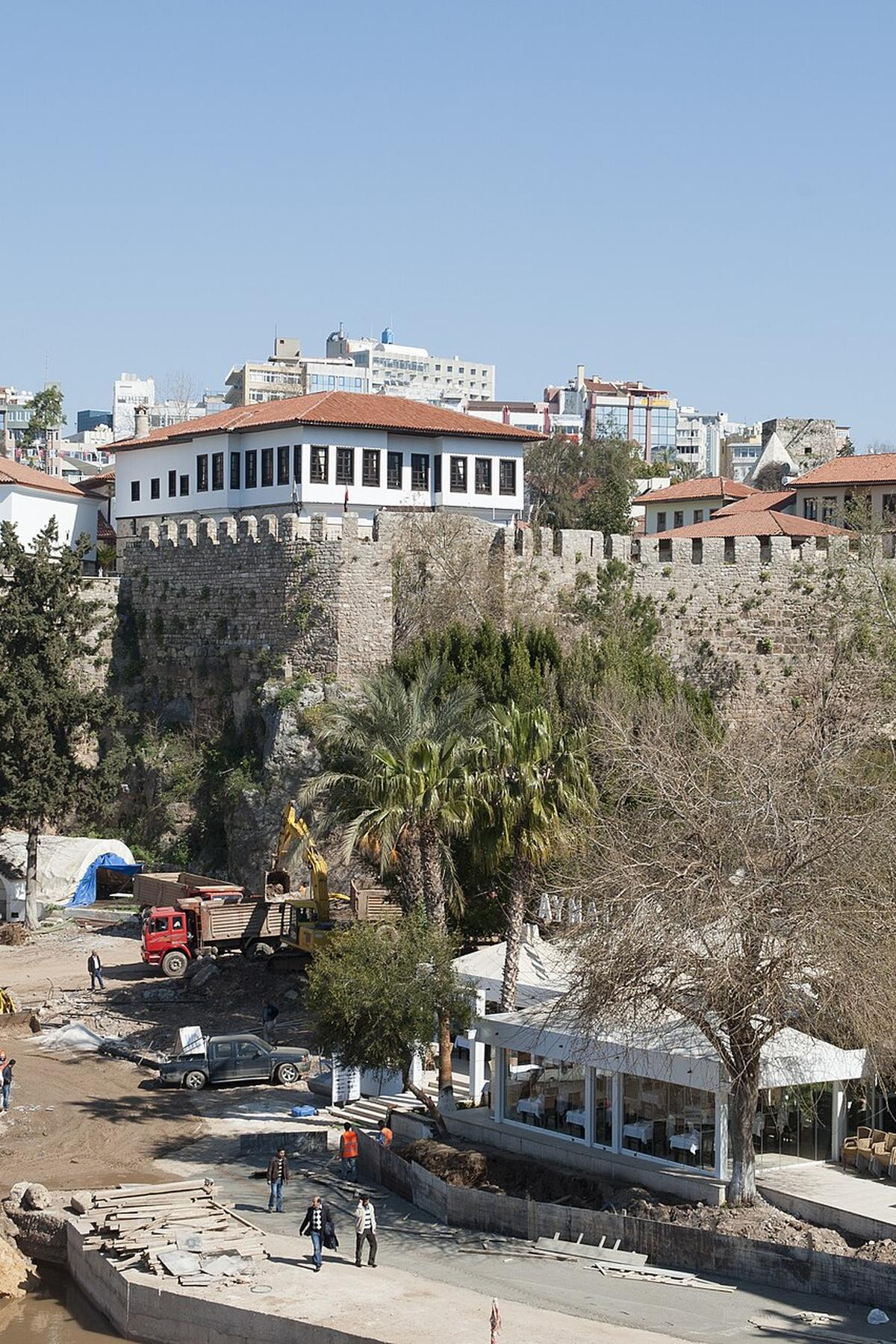
Kaleici is the small, walled core that holds everything people mean when they search for Antalya old town: the Roman harbour at its foot, the Ottoman houses pressed into pedestrian alleys, and the sudden opening at Hadrian's Gate that marks the boundary between the old and the kebab-shop strip beyond. The accommodation here is almost entirely pension and boutique hotel, many converted from the two-storey timber houses that lean over the laneways. A courtyard room in one of these runs between 50 and 120 euros a night in high season, and what you buy with that money is walkability. From most pensions you can be at the harbour water's edge in four minutes, at a rooftop bar looking down into the Roman basin in seven, and at the tram stop that connects to both beaches in twelve.
What you do not buy is a pool that matters. Most boutique hotels in Kaleici have a plunge pool the size of a bathtub, tucked into a courtyard that gets sun for only three hours a day. If a proper lap pool or a sunbed-and-cocktail deck is your non-negotiable, the old town will frustrate you by lunchtime on day two. The noise is also real. The alley outside a ground-floor room in a pension near the harbour can hum with bar music until 01:00, and the walls between rooms are the original plaster over rubble. Earplugs are not optional here; they are the difference between a romantic stay and a ruined sleep.
Why The Harbour Works At Every Hour
The strength of Kaleici is that it is the only part of Antalya that feels like a place rather than a product. The Roman harbour, no longer a working port but lined with restaurants that set tables right over the stone quay, changes character by the hour. At 14:00 it is sleepy and the boats bob on their moorings. At 20:00 it is lit by string bulbs and Turkish families walk the promenade eating ice cream. The Duden Waterfalls are a half-hour tram ride east, but the waterfall that matters most here is the one you hear through your open window in the morning before the street wakes up.

Antalya Beaches: Where You Actually Swim
The two beaches that flank Antalya are not interchangeable, and the choice between them is the real hinge of the accommodation decision. Antalya beaches break cleanly into the pebble stretch running west from the cliffs, and Lara, the sand beach running east toward the airport. Neither is a secret cove; both are long, developed strips backed by hotels, cafes, and the occasional municipal park. The difference is the surface under your feet and the crowd around you.
Antalya Konyaalti Beach: the Pebble Strip Under the Cliffs
The Beach Itself
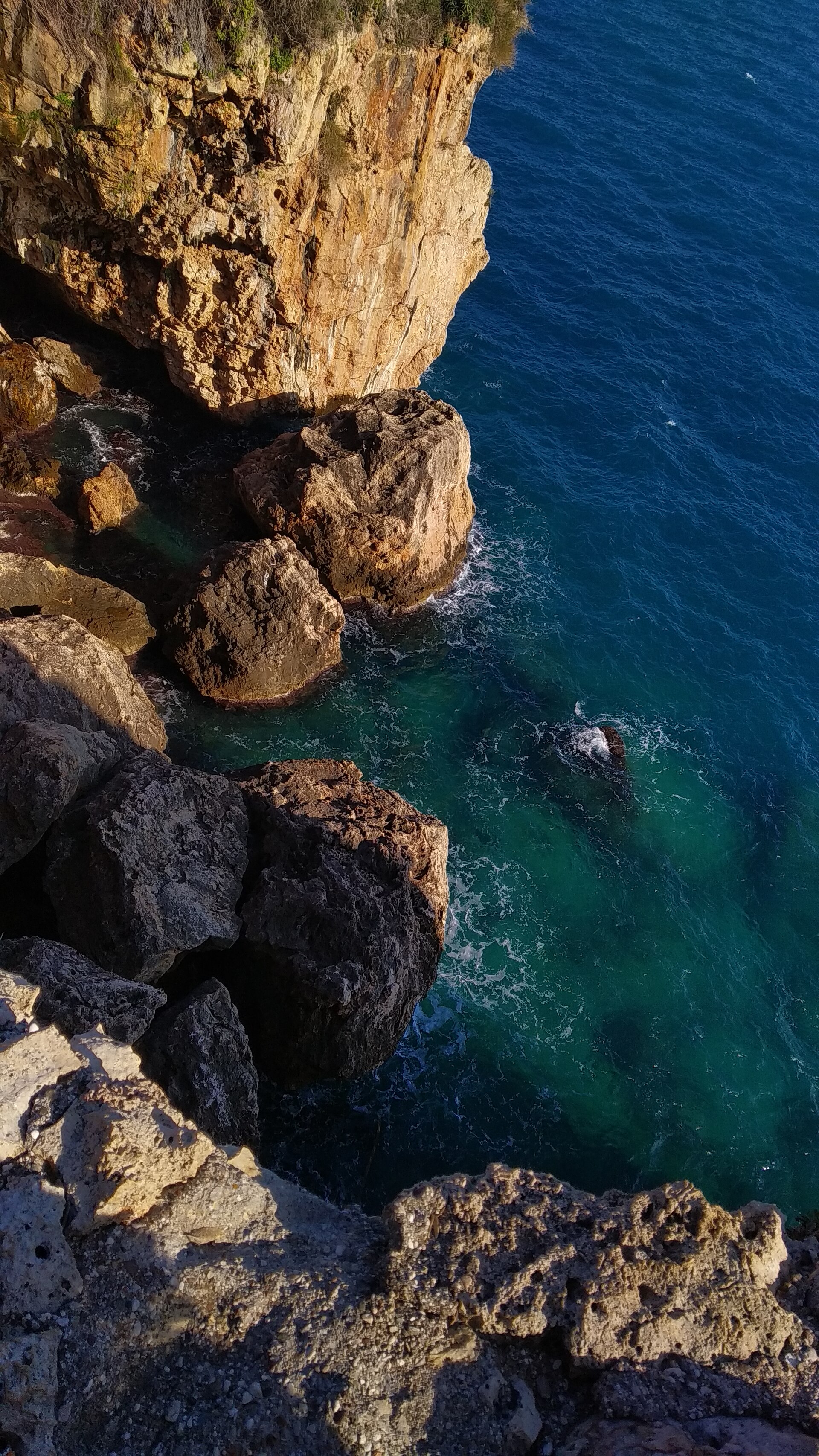
The western beach runs for roughly seven kilometres along the base of the Beydağları mountains. It is pebble, not sand, and the water drops off fast enough that you are swimming in chest-deep water ten metres from the shore. Locals consider this the real Antalya beach; the sand at Lara is seen as tourist product. A dedicated tram line runs from the old town to the shore in about 20 minutes, and the stop drops you onto a broad promenade backed by a cliff park that has walking paths, exercise stations, and shaded benches. The beach itself is a mix of municipal free sections and private beach clubs renting sunbeds for 50 to 100 Turkish lira for the day. The clubs serve food and beer and have proper showers, which the free sections do not.
What You Trade For The Atmosphere
This stretch has one weakness: the pebble. You cannot spread a towel directly on the stones and be comfortable; you need a sunbed or a thick mat. The water is also cold into June because the current runs down from the mountains, and the afternoon sun disappears behind the cliffs by 16:00 in summer, leaving the beach in shadow while the sea remains bright. What it does well is atmosphere: families with picnic baskets, university students playing volleyball, and a genuine mix of Turkish and foreign visitors that feels nothing like a resort compound. If you stay in Kaleici, this is your natural beach and the tram makes it easy.
Antalya Lara Beach: the Sand Strip Where the Resorts Sit
Sand, Shallows, And The All-Inclusive Machine
Lara Beach runs east from the city centre past the airport and into the long, flat zone where the all-inclusive resorts have planted their flags for the last twenty years. The sand is the draw: genuine, fine, walkable sand that stretches in a band wide enough for a game of football. The water is warmer than the pebble beach and stays shallow for a long way out, making it the better choice for families with small children. Lara is also where you find the block hotels that sell the all-inclusive package: a buffet, a pool, an animation team, and a sea view. The nightly rate for a mid-range all-inclusive on Lara runs from 100 to 200 euros per room in summer, and for that you get a room that looks like any resort room in the Mediterranean. You do not get a city.
The Cost Of The Convenience
Lara is twenty minutes by taxi or forty-five by public bus from Hadrian's Gate, and most guests on the all-inclusive plan do not make the journey more than once. The strip is unrewarding to walk. The hotels are separated by service roads, the beach has a few public access points but is otherwise claimed by the resort sunbed rows, and the strip has little character beyond what each hotel creates inside its own perimeter. If your holiday is about the pool and the beach and you will leave the sunbed only for dinner, Lara is the rational choice. If you want to explore the old town, sample different restaurants, and feel like you are in Turkey rather than a resort in any country, Lara will feel like a mistake by day three.

The Tram and the Trade-Off
The tram line that runs from the old town to the western beaches is the single most useful piece of infrastructure in Antalya for the independent traveller. It costs about 10 Turkish lira per ride, runs every quarter of an hour from 06:00 to midnight, and connects the Kaleici stop, near Hadrian's Gate, to the beach stop in roughly 20 minutes. The tram does not reach Lara. To get from Kaleici to Lara Beach, you take a taxi, which costs 150 to 250 lira depending on traffic, or the public bus, which takes 45 minutes and requires a transit card you must load at a kiosk. The implication is direct: if you stay in Kaleici, the pebble shore is your beach and it is easy. If you stay in Lara, the old town is a specific trip rather than a casual walk.
The tram also connects to Antalya Airport. From the old town stop, the tram heads east through the city centre and arrives at the airport in about 40 minutes. From Lara Beach, the airport is a short taxi ride or 30 minutes by bus. This fact alone shapes a lot of last-night decisions.
The Honest Trade-Off: Atmosphere vs Pool Access
Staying in Kaleici means trading a proper swimming pool for a city that breathes. You walk to dinner through alleys that have been walked for two thousand years. You hear the call to prayer from the Kesik Minare Mosque mixed with the bass from a rooftop bar. You can buy a bottle of wine from a corner shop and drink it on the Roman harbour wall at sunset with nobody asking you to order a second drink. The cost is that your beach day requires a tram ride and a sunbed rental, your room is small and possibly loud, and the nearest body of water you can swim in without packing a bag is a plunge pool that barely covers your shoulders.
Staying on Lara or the western shore means stepping out of your hotel into water within a couple of minutes. You have a towel provided, a sunbed reserved, and a waiter who brings drinks to your chair. The trade is that you are in a resort zone. The streets outside your hotel are not designed for wandering. The restaurants on the strip serve food that caters to the lowest common denominator of European taste. The view from your balcony is another hotel balcony. If that is what you want, book Lara. If you are unsure, book a pension in Kaleici for three nights and a resort on Lara for three nights. The tram and the taxi make it possible to spend a morning on the pebbles and an evening in the old town, no matter where you sleep. But the direction you do the commute determines whether Antalya feels like a city with a beach or a beach with a city attached.
Common Questions
Should I stay in Kaleici or on Lara Beach?
Stay in Kaleici if you value walkable streets, Ottoman architecture, and independent restaurants over a dedicated pool. Stay on Lara if your priority is a sand beach, a sunbed without a commute, and the all-inclusive package. Budget a taxi or bus for the days you want to see the other side.
How long does the tram take from Kaleici to Konyaalti Beach?
The tram runs from the Hadrian's Gate stop to the western beach in roughly 20 minutes. It costs about 10 Turkish lira and runs from 06:00 to midnight.
Can I walk from the old town to the beach?
No. Kaleici sits on a cliff above the shore. The walk down is along a main road for roughly 30 minutes with no dedicated pedestrian route. Use the tram.
Which beach has the better water quality, Konyaalti or Lara?
Both are clean enough for swimming, but the pebble beach is colder because the current comes from the Taurus Mountains. Lara is warmer and shallower, which makes it the better choice for children and less confident swimmers.
Is it worth splitting my stay between Kaleici and a resort?
Yes, if your trip is longer than five nights. Book three nights in a Kaleici pension to experience the old town and the Roman harbour, then move to a Lara resort for three nights of pool access and sand. The tram connects the airport to both zones.
Read next
-
 Turkey Itinerary Istanbul the Balloons and the Coast in Between
Build a Turkey itinerary connecting Istanbul, Cappadocia's balloons, and the Turquoise Coast, with realistic domestic travel times and seasonal caveats.
Turkey Itinerary Istanbul the Balloons and the Coast in Between
Build a Turkey itinerary connecting Istanbul, Cappadocia's balloons, and the Turquoise Coast, with realistic domestic travel times and seasonal caveats.
-
 Turkey Itineraries for Seven Days Ten Days and Two Weeks of What Actually Fits
Turkey itineraries for seven, ten, and fourteen days: how many stops actually fit when you account for domestic flights, balloon cancellation buffers, and transfer friction.
Turkey Itineraries for Seven Days Ten Days and Two Weeks of What Actually Fits
Turkey itineraries for seven, ten, and fourteen days: how many stops actually fit when you account for domestic flights, balloon cancellation buffers, and transfer friction.
-
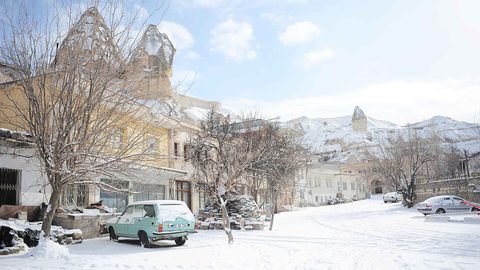 Best Time to Go to Turkey Across Three Climates and One Country
The best time to go to Turkey depends on which climate you mean: Istanbul's Marmara, Cappadocia's continental snow, or the Mediterranean coast's summer bake. Here is the month-by-month matrix.
Best Time to Go to Turkey Across Three Climates and One Country
The best time to go to Turkey depends on which climate you mean: Istanbul's Marmara, Cappadocia's continental snow, or the Mediterranean coast's summer bake. Here is the month-by-month matrix.
-
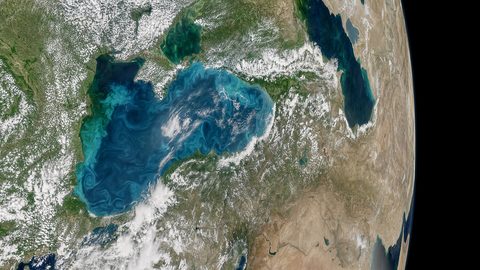 Turquoise Coast Boat Cruise Gulet Day Boat and Which Trip Is Worth It
A Turquoise Coast boat cruise means a gulet cabin charter, a private hire, or a day boat. Here is the route, the nightly rate, and which one is actually worth it.
Turquoise Coast Boat Cruise Gulet Day Boat and Which Trip Is Worth It
A Turquoise Coast boat cruise means a gulet cabin charter, a private hire, or a day boat. Here is the route, the nightly rate, and which one is actually worth it.
-
 Bali, Lombok, or Nusa Penida — Ferry Routes, Real Costs, and How to Decide
Compare ferry routes, crossing times, and real ticket prices for Bali, Lombok, and Nusa Penida — then match the right island to your trip length and goals.
Bali, Lombok, or Nusa Penida — Ferry Routes, Real Costs, and How to Decide
Compare ferry routes, crossing times, and real ticket prices for Bali, Lombok, and Nusa Penida — then match the right island to your trip length and goals.