When to Go to Turkey: Three Climates, One Country
The best time to go to Turkey depends on which climate you mean: Istanbul's Marmara, Cappadocia's continental snow, or the Mediterranean coast's summer bake. Here is the month-by-month matrix.

When to Go to Turkey: Three Climates, One Country
Turkey demands three different answers to the question of the best time to visit because the country contains separate climate zones that do not agree on a single ideal month. The Marmara coast around Istanbul is temperate and wet in winter. The central plateau is continental, with snowfall that grounds hot air balloons. The southern shore from Antalya to Fethiye bakes dry June through September. Pick the wrong month for your region and you waste a trip. Each zone gets its own treatment below, followed by a month-by-month matrix to compare them.
Turkey Weather by Month: the Three Climate Zones
Turkey spans three distinct climates: a temperate Marmara zone around Istanbul, a continental interior, and a Mediterranean regime along the southern coast. These zones operate on different weather calendars. The same week can produce drizzle in Istanbul, snow in Göreme, and beach heat in Antalya.
Marmara Zone (Istanbul)
Istanbul sits in a Marmara climate with warm, humid summers and cool, wet winters. July and August bring daytime temperatures around 28°C to 30°C, but humidity makes it feel stickier. December through February average 7°C to 10°C with frequent rain. Snowfall happens one to three times per winter and rarely settles more than a day.
Continental Interior (Cappadocia)
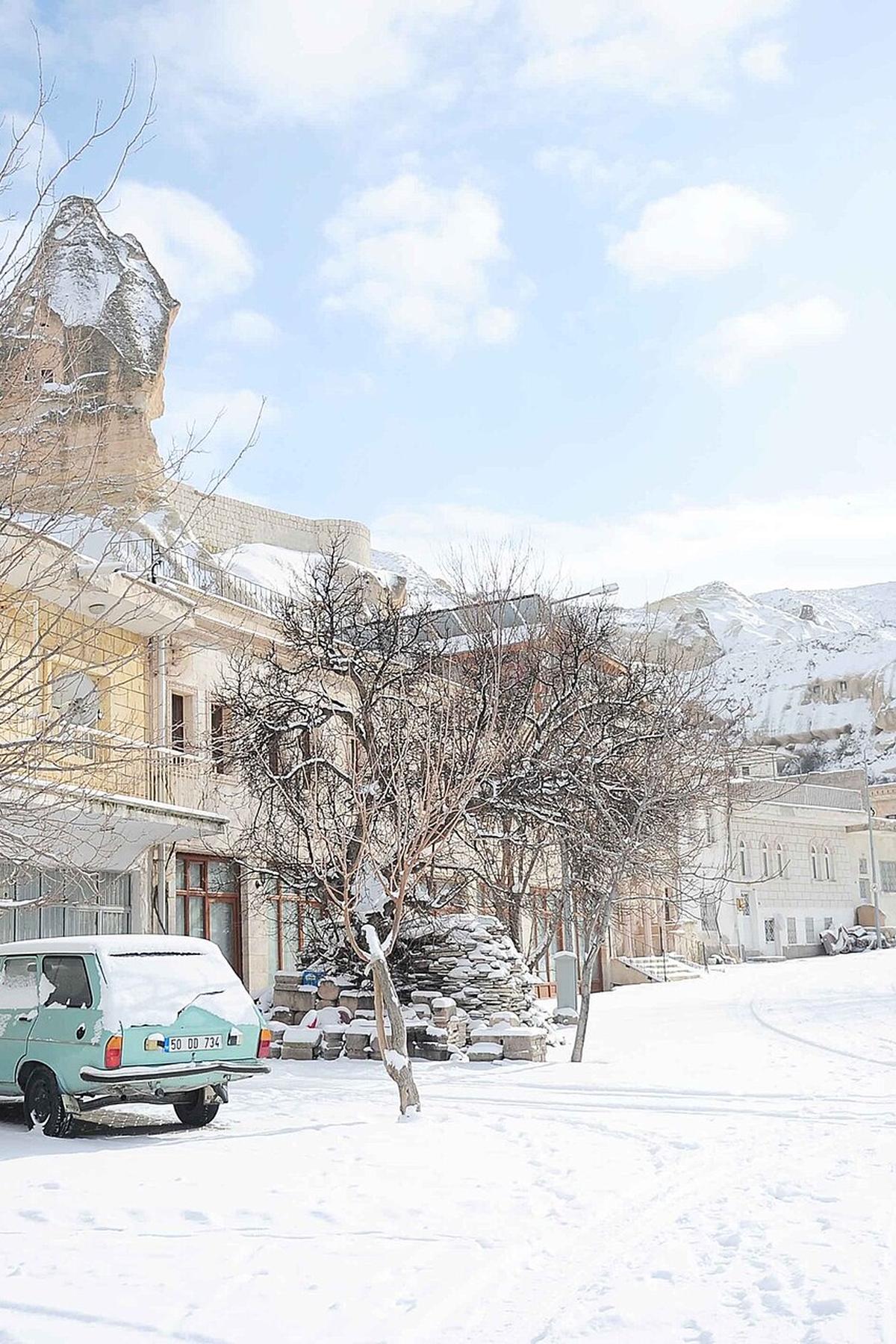
The central plateau experiences sharp continental swings. Summers hit 30°C during the day but drop to 12°C at night. Winters are cold: December through February average 0°C to 4°C, with regular snowfall. The snow creates the famous white landscape across the fairy chimneys, but it also grounds the balloons on many mornings. Cancellations peak in January and February when fog and snow reduce visibility.
Mediterranean Shore (Antalya, Fethiye, the Lycian Way)
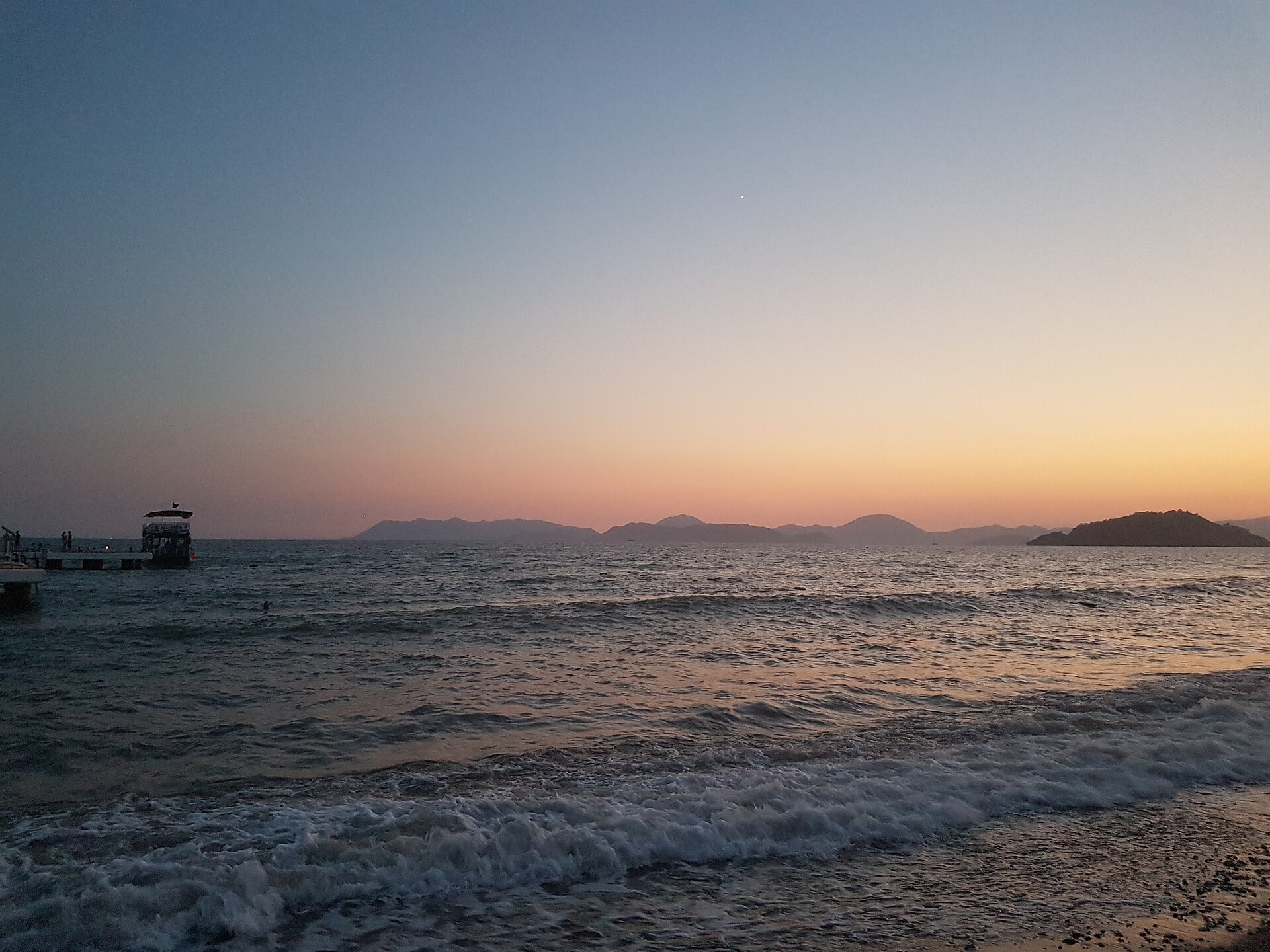
The southern coast runs a dry summer and mild winter rhythm. June through September produce almost zero rain. July and August heat hits 34°C to 38°C, and the sea reaches 28°C. The peak dry stretch runs June to September. November through March bring rain and cooler temperatures around 15°C to 20°C, but hiking the Lycian Way is possible outside the wettest months.
Turkey Peak Season: July and August on the Coast
Peak season runs July and August across the entire Mediterranean shore. Tourist density in Antalya and Fethiye hits its maximum. Nightly rates for coastal hotels double compared to May or October. Beaches are packed. The heat pushes temperatures above 35°C regularly, which some travellers find oppressive for sightseeing. If you want the sea at its warmest, August gives you 28°C water. You pay for it in crowds and cost.
Istanbul also peaks in July and August. Hotel prices run 30% to 50% higher than spring and autumn. Cruise ship arrivals flood the Sultanahmet district. The humidity makes walking the historic peninsula draining by midday.
Turkey Coastal Season: When to Hit the Mediterranean
The coastal season for swimming and sunbathing runs June through September. June offers the best balance: sea temperature reaches 23°C, air temperature sits around 28°C, and tourist density is lower than July and August. September matches June on weather but adds residual summer crowds that thin after the 15th. May and October are marginal months for swimming. Sea temperature sits at 19°C to 21°C. Local swimmers tolerate it; most northern Europeans find it cold.
Hiking the Lycian Way
The Mediterranean shore between Antalya and Fethiye includes this long-distance trail. Hike it in April, May, September, or October, when daytime temperatures range from 20°C to 25°C and rain is infrequent. July and August are too hot for full-day walks. Book coastal accommodation in advance for the spring window; it fills earlier than the autumn one.
Cappadocia Winter Snow: December Through February
Winter snow transforms the fairy chimneys into a white landscape that photographers chase. December through February see regular snowfall. January is the coldest month, averaging 0°C. The trade-off is balloon cancellations. Operators cancel flights when snow, fog, or wind exceed safe limits. In January and February, cancellation rates hit 40% to 50% of scheduled mornings. If ballooning is your priority, plan three mornings in the region to give yourself buffer days. April through October offer much higher flight rates, with summer cancellations below 10%.
Nightly rates in the area drop 40% to 60% in winter compared to the May-to-October peak. Cave hotels that charge a premium in August become affordable in January. The trade-off is cold. Pack thermal layers and a warm coat for the 0°C mornings. Book a hotel with a good heating system; not all cave rooms stay warm.
| Month | Istanbul Marmara | Cappadocia Continental | Mediterranean Coast |
|---|---|---|---|
| January | 7°C, wet, occasional rain | 0°C, snow, 50% balloon cancellations | 15°C, rainy, swimming not possible |
| February | 8°C, rainy, some winter sun | 1°C, snow, 50% balloon cancellations | 15°C, rainy, swimming not possible |
| March | 10°C, wet, improving | 6°C, snow melts, green valleys | 17°C, rain decreasing, hiking season starts |
| April | 14°C, some rain, blossom | 12°C, mild, balloon flights reliable | 20°C, some rain, Lycian Way opens |
| May | 19°C, pleasant, moderate crowds | 17°C, warm days, cool nights | 24°C, warm, sea 19°C, low crowds |
| June | 24°C, warm, tourist season begins | 22°C, hot days, busy | 28°C, dry, sea 23°C, perfect balance |
| July | 28°C, humid, peak crowds | 26°C, hot, peak tourist density | 34°C, dry, sea 26°C, peak season |
| August | 29°C, humid, cruise ship crowds | 26°C, hot, peak tourist density | 36°C, dry, sea 28°C, peak season |
| September | 24°C, warm, crowds thin | 22°C, warm, harvest season | 30°C, dry, sea 25°C, still busy |
| October | 18°C, mild, fewer tourists | 16°C, cool, quiet | 25°C, warm, some rain, Lycian Way ideal |
| November | 13°C, wetting up, quiet | 10°C, cold, very quiet | 20°C, rain increasing, swimming over |
| December | 9°C, rainy, Christmas markets | 3°C, snow starts, low season rates | 16°C, rainy, off season |

Ramadan and Kurban Bayram: Two Holiday Periods That Spike Costs Nationwide
Two religious holiday periods affect travel across all of Turkey: Ramadan and Kurban Bayram (Eid al-Adha). Ramadan runs 29 to 30 days and ends with the three-day Seker Bayram (Eid al-Fitr) holiday. Domestic travel drops during the fasting month itself but spikes dramatically in the final three days. Kurban Bayram lasts four days and triggers the heaviest domestic travel of the year. Hotels in coastal cities, the central plateau, and Istanbul sell out weeks in advance. Nightly rates double or triple. Roads between major cities become gridlocked.
Book accommodation at least 60 days ahead if your trip overlaps either holiday. Expect full ferries on routes like Istanbul's Bosphorus crossings. Do not drive between cities on the departure and return days. In 2026, Ramadan runs approximately February 18 to March 19, with Seker Bayram March 20 to 22. Kurban Bayram falls approximately May 27 to 30. These dates shift by 10 to 12 days each year on the Gregorian calendar.
Shoulder Season: the Best Compromise for Most Travellers
The shoulder months of May, June, September, and October offer the best balance across all three zones. Istanbul in May is 19°C with moderate tourist density. The central region in September is 22°C with reliable balloon flights. The southern coast in June is 28°C, dry, and uncrowded before the July and August heat arrives. Nightly rates run 30% to 50% lower than peak season. Tourist density is manageable at major sites: the Hagia Sophia, the fairy chimneys of Göreme, the beaches of Antalya.
The October Beach Trap
Do not book a Mediterranean beach holiday in October expecting sea swimming. Sea temperature drops to 21°C by late October, and many coastal hotels close for the season after October 31. Check the operational dates of your specific hotel before booking. In the central plateau, October delivers beautiful autumn colours but temperatures drop to 6°C at night. Pack for cool evenings and book a hotel with heating.
Read next
-
 Istanbul
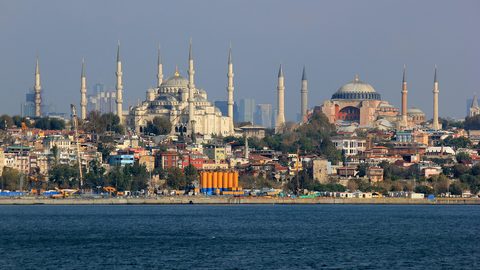
Where to stay in Istanbul: compare Sultanahmet, Beyoglu, and Kadikoy on sight access, Bosphorus ferry commutes, airport transfers, and the real cost of a rooftop breakfast.
Istanbul
Where to stay in Istanbul: compare Sultanahmet, Beyoglu, and Kadikoy on sight access, Bosphorus ferry commutes, airport transfers, and the real cost of a rooftop breakfast.
-
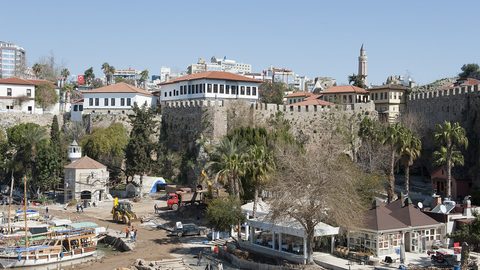 Antalya
 old town Kaleici is a Roman harbour wrapped in walls, and the resort coast of Lara and Konyaalti is bolted on beyond it. Here is how to choose between the two.
Antalya
Antalya old town Kaleici is a Roman harbour wrapped in walls, and the resort coast of Lara and Konyaalti is bolted on beyond it. Here is how to choose between the two.
-
 Turkey Itineraries for Seven Days Ten Days and Two Weeks of What Actually Fits
Turkey itineraries for seven, ten, and fourteen days: how many stops actually fit when you account for domestic flights, balloon cancellation buffers, and transfer friction.
Turkey Itineraries for Seven Days Ten Days and Two Weeks of What Actually Fits
Turkey itineraries for seven, ten, and fourteen days: how many stops actually fit when you account for domestic flights, balloon cancellation buffers, and transfer friction.
-
 Turquoise Coast Boat Cruise Gulet Day Boat and Which Trip Is Worth It
A Turquoise Coast boat cruise means a gulet cabin charter, a private hire, or a day boat. Here is the route, the nightly rate, and which one is actually worth it.
Turquoise Coast Boat Cruise Gulet Day Boat and Which Trip Is Worth It
A Turquoise Coast boat cruise means a gulet cabin charter, a private hire, or a day boat. Here is the route, the nightly rate, and which one is actually worth it.
-
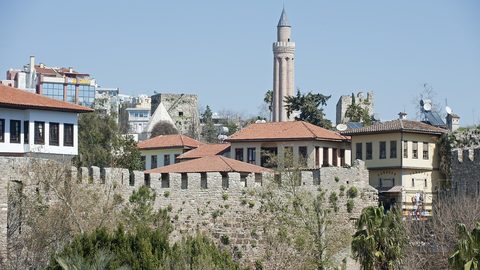 Antalya vs Fethiye Which Turkish Coast Base for a Week
Antalya or Fethiye for a week on the Turkish coast? One is a city with a Roman old town and tram line, the other a harbour hub for paragliding and boat trips. Your call.
Antalya vs Fethiye Which Turkish Coast Base for a Week
Antalya or Fethiye for a week on the Turkish coast? One is a city with a Roman old town and tram line, the other a harbour hub for paragliding and boat trips. Your call.
-
 Getting to Indonesia's Eastern Islands Without Routing Through Bali
Skip the Bali default. Here's how to reach Flores, Komodo, and Raja Ampat through Makassar, Lombok, and Surabaya with real costs.
Getting to Indonesia's Eastern Islands Without Routing Through Bali
Skip the Bali default. Here's how to reach Flores, Komodo, and Raja Ampat through Makassar, Lombok, and Surabaya with real costs.
-
 Bali, Lombok, or Nusa Penida — Ferry Routes, Real Costs, and How to Decide
Compare ferry routes, crossing times, and real ticket prices for Bali, Lombok, and Nusa Penida — then match the right island to your trip length and goals.
Bali, Lombok, or Nusa Penida — Ferry Routes, Real Costs, and How to Decide
Compare ferry routes, crossing times, and real ticket prices for Bali, Lombok, and Nusa Penida — then match the right island to your trip length and goals.