Canggu Surf Breaks and the Reality of Staying Longer Than You Planned
Canggu has four distinct surf breaks, a deep co-working scene, and traffic that reshapes your day. Here's which break fits your skill and why people keep extending their stay.
- Flag
-

- ISO code
- ID
- Currency
- IDR
Canggu Surf Breaks and the Reality of Staying Longer Than You Planned
You arrive in Canggu for a week of surf, two-wheelers, and smoothie bowls. Three months later you are still here, paying monthly rent on a rice field villa and arguing with your bank about foreign transaction fees. It is not the Instagram glow that keeps people. It is the structure: a grid of reliable Canggu surf breaks that work across every ability level, a co-working membership that costs less than a single hotel night, and a villa rental economy where a month costs barely more than two weeks. Understanding which break matches your actual ability is the difference between a trip you love and a trip that punishes you. That is where this starts.
The Four Break Types and Who They Actually Serve
Canggu's coastline runs roughly north to south, with four named breaks that function very differently. Do not treat them as interchangeable. The volcanic grey-brown sand and the uniform beach width of 20 to 50 metres at low tide hide real variation in what comes off the water.
Batu Bolong: The Beginner's Wave
Batu Bolong break is a beach break over sand and reef. It is the most forgiving wave in Canggu. It works year-round but delivers its most consistent shape during the dry season from April to October. It suits beginner to intermediate longboarders and funboarders. The wave peels gently enough that a first-timer on a rental foamie can catch a ride without slamming into a shallow coral shelf. The catch is the crowd. At sunrise, thirty people float in the channel. By mid-morning, it is a hundred. Go at first light, not for solitude but for a manageable ratio. The rip current is present every day. Swim parallel, not against it.
Echo Beach: The Filter
Echo Beach break is a reef break that filters out everyone below intermediate. It is suited to intermediate to advanced shortboarders. The wave pitches faster, the take-off steeper, and the reef underneath demands respect at low tide. Best on a mid to high tide, when the reef has enough water over it to forgive a wiped-out drop. If you are not consistently paddling into unbroken waves at your home break, sit this one out and watch from the black sand instead. The beach itself has no permanent lifeguard towers, and swimming is not recommended at most sections due to strong currents and rips.
Berawa and Nelayan: The Middle Ground
Berawa sits between Batu Bolong and Echo in difficulty. It is a beach break that works on a sand and reef bottom, more consistent than Batu Bolong but less intimidating than Echo. Nelayan Beach, just north of Berawa, offers a similar wave with slightly less crowd density. Neither break has the infrastructure of the main strips. You carry your own board, you pay a parking fee if you bring a motorbike, and you check the tide chart before you paddle out.
Pererenan: The Quiet Option
Pererenan is the quietest break in the area. It sits further north and draws fewer surfers because the walk from the nearest parking is longer and the commercial density is lower. It suits intermediate surfers who want space. The wave is similar to Berawa but with less traffic in the water and on the road. Worth the extra five-minute ride from central Canggu.

| Break | Break Type | Skill Level | Best Tide |
|---|---|---|---|
| Batu Bolong | Beach break over sand and reef | Beginner to intermediate | All tides, mid preferred |
| Echo Beach | Reef break | Intermediate to advanced | Mid to high |
| Berawa | Beach break over sand and reef | Intermediate | Mid tide |
| Nelayan Beach | Beach break over sand | Beginner to intermediate | Mid tide |
| Pererenan | Beach break over sand and reef | Intermediate | All tides, mid preferred |
Canggu Digital uPhone Guide: the Infrastructure That Keeps You Here
The surf is the hook. The co-working spaces are the net. Canggu now has at least twelve co-working spaces in 2024, and likely more by the time you read this; the figure revises annually and the Canggu Community Facebook group maintains the running list. The most established, Dojo Bali on Jl. Padang Linjong, charges between 1,500,000 and 3,000,000 IDR per month for a hot desk. That number is the 2024 rate; Dojo publishes the updated pricing on their website. For that, you get air conditioning, reliable fibre, and a social calendar that funnels you directly into the expat orbit. You meet people who are also staying longer than they planned. That is how a week becomes a month.
The main cafe strip streets are three: Jl. Pantai Batu Bolong, Jl. Padang Linjong, and Jl. Tanah Barak. Every breakfast spot on those roads serves smoothie bowls. Every second shop rents surfboards. Every third door is a fitness studio. The density of cafes, co-working spaces, fitness studios, and surf breaks within walking or riding distance is the single reason Canggu has a concentrated long-stay population. You do not need a car. You do not need to leave. That convenience is exactly what makes leaving feel harder than arriving.
Canggu Traffic Problems: the Real Reason You Adjust Your Schedule
Motorbike gridlock is not an occasional annoyance. It is a daily structural fact. The single road that connects everything, Jl. Pantai Berawa to Jl. Raya Canggu link, locally called the shortcut, is a single lane with limited passing points. It locks solid twice a day: 08:00 to 10:00 and 16:00 to 19:00. At peak, a journey from Batu Bolong to Berawa that would take seven minutes on a quiet afternoon takes forty. You sit between a diesel truck and a bike carrying a surfboard, a child, and a bag of groceries. There is no alternate route that saves you. Every gang is a dead end or a path to another bottleneck.
The Gojek pickup ban zone in central Canggu makes it worse. Ride-hailing apps cannot pick up from many points in the core due to local taxi arrangements. You walk to a main road, or you wait. Tourists who try to drive rented cars through the shortcut during peak hours regularly abandon them and walk. The solution is a motorbike. Rent one for 800,000 to 1,200,000 IDR per month, the 2024 rate, updated annually on the Canggu expat boards, and time your movements outside the two windows. Leave Batu Bolong before 07:45 or after 10:15. Wait out the afternoon block with a coffee. The gridlock is not a bug. It is the daily rhythm that every long-stay adjusts to.
Canggu vs Seminyak: What the Choice Actually Costs You
You will meet people who debate Canggu vs Seminyak as if they are competing holiday packages. They are not. Seminyak is upscale dining, beach clubs, and polished commercialism. Canggu is surf, smoothie bowls, and traffic gridlock. Seminyak skews toward couples and short-stay tourists who want a nicer hotel and a sunset cocktail without fighting a motorbike through a single-lane road. Canggu skews toward remote workers, surfers, fitness-focused travellers, and long-stay digital nomads who are comfortable with a well-worn trail and do not mind that the beach is not swimmable. Swimming is not recommended at most sections due to strong currents and rips, because the surf is the point, not the swimming.
The cost difference is real but subtle. Canggu low-end accommodation runs 120,000 to 250,000 IDR per night for a dorm bed or basic homestay. Seminyak starts a tier higher for the same quality room. But the bigger difference is your daily movement. In Seminyak, you walk to dinner. In Canggu, you ride everywhere, and you factor the traffic windows into your plans. Choose Canggu if you plan to surf daily and want the co-working and fitness infrastructure. Choose Seminyak if you are here for a week, do not surf, and value walkable sidewalks and a cleaner beach. Do not decide based on Instagram photos. Decide based on whether you are willing to sit on a bike in gridlock for the reward of a good wave.
Batu Bolong Beach Surf and the Daily Realities of the Water
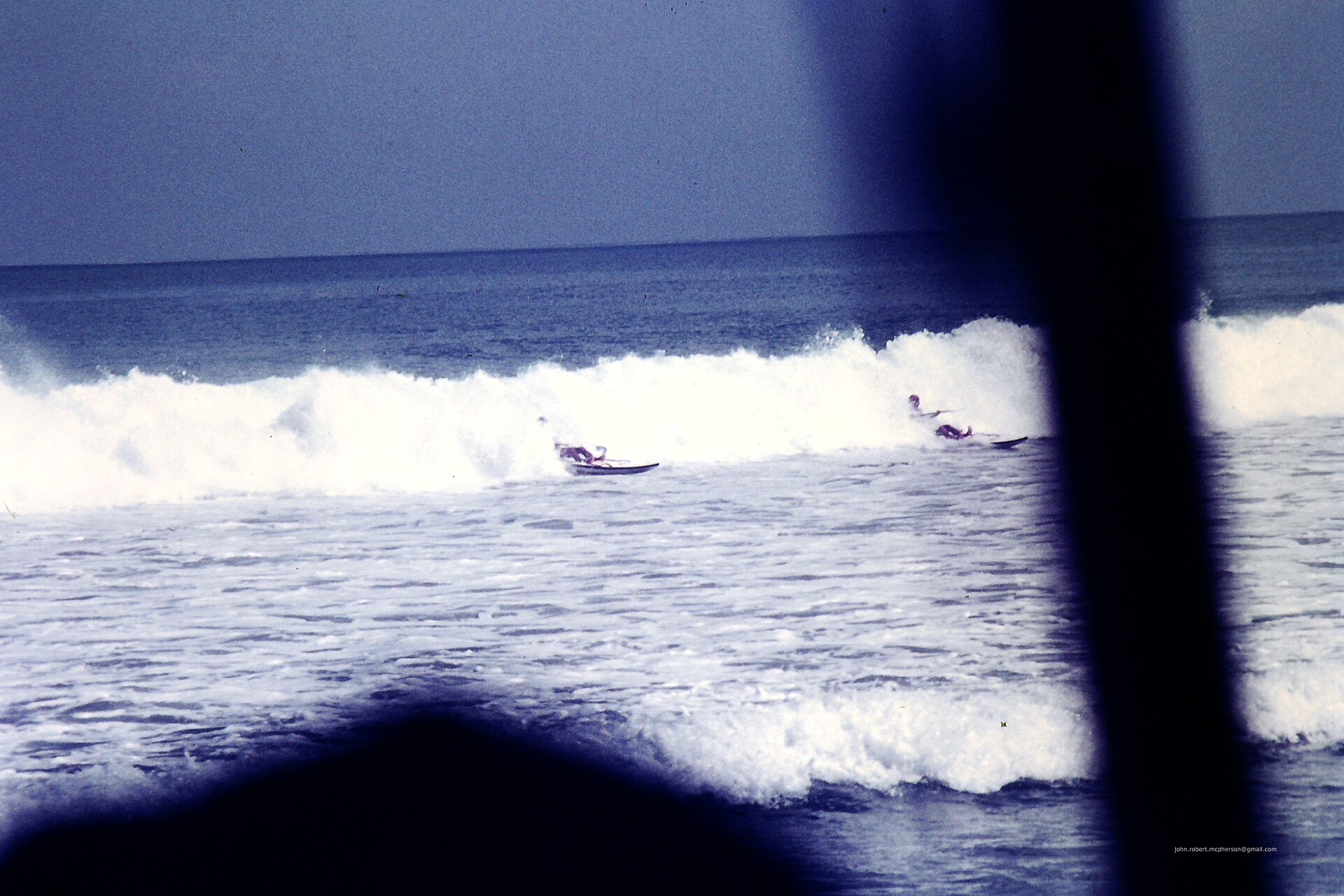
Batu Bolong Beach surf is the most photogenic wave in Canggu because it wraps around the temple at the river mouth. It is also the most crowded. The break is year-round but most reliable in the dry season. It works for beginners on longboards and funboards. The reef underneath is a factor: at lower tides, the wave breaks closer to shallow coral, and a novice paddling out for the first time can scrape a kneecap. Rent a board from one of the shops on Jl. Pantai Batu Bolong. You will find surfboard rental stands every fifty metres. Ask the shop which section of the break works for your level. They know the sand shift from week to week.
Parking fee applies at most beach access points. A motorbike costs about 2,000 to 5,000 IDR from the attendant sitting on a plastic chair. Pay it. They will key your bike if you do not. The fee funds nothing official; it is a local arrangement you accept or you park further away and walk. The rip current at Batu Bolong is strongest on an outgoing tide. Watch where the local surfers paddle in. Follow that line, not the empty corridor that looks easier.

When to Surf and When to Stay Out
Bali rough sea months on the south-west coast, including Canggu, run from June to September. The swell peaks, the currents strengthen, and the rips become more aggressive. If you are a beginner, November to March offers the calmest sea conditions and smaller, more manageable waves. Do not surf alone in June through August regardless of your ability. A rip current can pull you past the break in under a minute, and there are no permanent lifeguard towers on any Canggu beach. The local surf community is alert and responsive, but relying on strangers to notice you is not a plan.
The Economics of Staying: Monthly Rentals and the Trap of Convenience
The monthly living cost breakdown is what converts tourists into residents. A dorm bed or hostel runs 9,000,000 to 12,000,000 IDR per month. A private room in a local guesthouse costs 14,000,000 to 20,000,000 IDR per month. A private villa in the mid-range runs 25,000,000 to 40,000,000 IDR per month. Add a monthly motorbike rental at 800,000 to 1,200,000 IDR, the 2024 rate updated annually on expat forums, and a co-working hot desk at 1,500,000 to 3,000,000 IDR per month. You are paying less than a two-week hotel stay in Seminyak for a full month of living in Canggu.
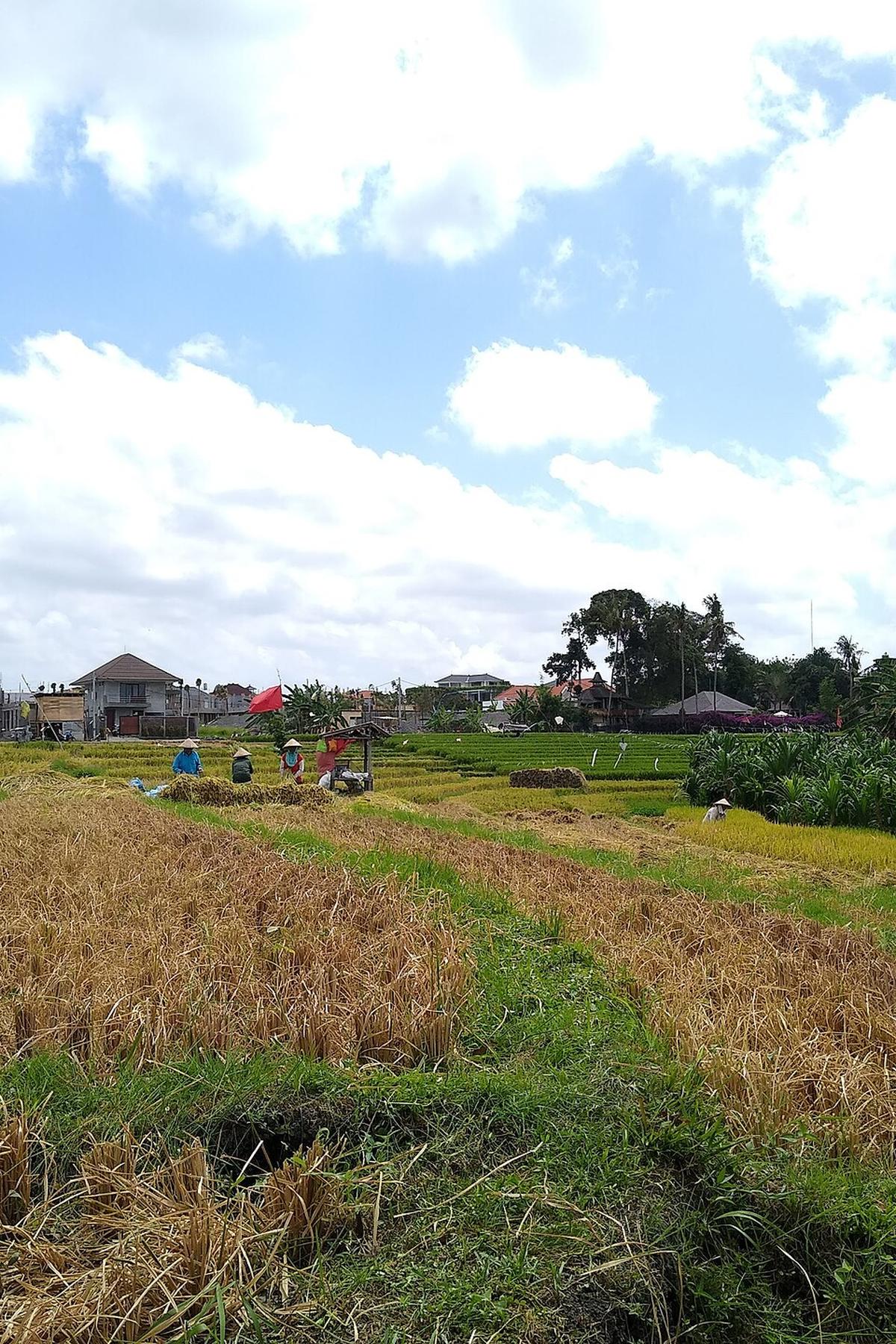
The villa rental economics make leaving harder than arriving. Booking a month in a rice field villa near Pererenan costs less per night than booking a week in the same place. Once you pay the deposit and settle into the rhythm, morning surf, mid-morning co-working, lunch on Jl. Tanah Barak, afternoon ride to a quieter break, the mental math of extending for another month is too easy. Your flight home is a problem for future you. The current you is going to Berawa for sunset and a smoothie bowl.
Canggu is Not for Everyone and That is Fine
This area is not suited to travellers seeking quiet cultural immersion, pristine swimming beaches, or car-free mobility. The volcanic grey-brown sand is not white. The water is not clear. The swimming is actively dangerous at most sections. The traffic is not a minor inconvenience; it is a daily negotiation. If your ideal holiday involves walking to a quiet beach and floating in calm water, skip Canggu entirely and go to Amed on the east coast. Canggu is for people who want a functional, structured base with surf and social infrastructure, and who accept the friction, the motorbike gridlock, the Gojek ban zone, the 45 to 90-minute drive from Ngurah Rai International Airport that varies wildly with traffic, as the price of entry.
A reader deciding between a week and a month should decide based on this: if you surf, work remotely, or train daily, a month in Canggu costs less and delivers more than a week at a resort. If you want a holiday where nothing goes wrong and you never sit in traffic, stay somewhere that does not have a single-lane shortcut that stops moving for three hours a day.
Common Questions
Which Canggu surf break is best for a complete beginner?
Batu Bolong. It is a beach break over sand and reef, most consistent in the dry season from April to October. Rent a longboard from a shop on Jl. Pantai Batu Bolong and surf at mid tide. Go at sunrise to avoid the worst crowd and watch the rip current.
How bad is Canggu traffic really?
Bad enough that locals plan their day around it. The shortcut road between Jl. Pantai Berawa and Jl. Raya Canggu is a single lane that gridlocks 08:00-10:00 and 16:00-19:00. A seven-minute ride becomes forty minutes. Stay off the road during those two windows.
How much does a month in Canggu cost?
A dorm bed runs 9-12 million IDR. A private guesthouse room costs 14-20 million IDR. A mid-range private villa runs 25-40 million IDR. Monthly motorbike rental is 800,000-1,200,000 IDR. Co-working hot desks cost 1.5-3 million IDR. These are 2024 rates, updated annually on local expat forums.
Can I swim safely at Canggu beaches?
No. Swimming is not recommended at most sections due to strong currents and rips. There are no permanent lifeguard towers. Bali's rough sea months from June to September bring peak swell and dangerous conditions. Swim only at calm beaches on the east coast, not here.
Read next
-
 Indonesia Which Island Which Season and How to Get Between Them
Bali, Lombok, the Gilis or Java: which island fits your trip, which season makes the logistics work, and what the crossings actually cost in rupiah and hours.
Indonesia Which Island Which Season and How to Get Between Them
Bali, Lombok, the Gilis or Java: which island fits your trip, which season makes the logistics work, and what the crossings actually cost in rupiah and hours.
-
 Bali Lombok the Gilis or Java a Straight Answer on Which Island
Bali has the infrastructure, Lombok the raw coast, the Gilis the parties or the silence, and Java the chaos. Which Indonesian island actually fits your trip.
Bali Lombok the Gilis or Java a Straight Answer on Which Island
Bali has the infrastructure, Lombok the raw coast, the Gilis the parties or the silence, and Java the chaos. Which Indonesian island actually fits your trip.
-
 Fast Boats Between Bali Lombok and the Gilis Times Cost and the Sea
Fast boats connect Bali, Lombok and the Gilis in 90 minutes on a calm day. Ticket prices in rupiah, departure ports, and the months when swell cancels everything.
Fast Boats Between Bali Lombok and the Gilis Times Cost and the Sea
Fast boats connect Bali, Lombok and the Gilis in 90 minutes on a calm day. Ticket prices in rupiah, departure ports, and the months when swell cancels everything.
-
 Best Time to Visit Indonesia Month by Month for Every Island
Month-by-month breakdown of Indonesia's seasons, crowds, and transport realities across Bali, Lombok, and the Gilis—so you pick the right window.
Best Time to Visit Indonesia Month by Month for Every Island
Month-by-month breakdown of Indonesia's seasons, crowds, and transport realities across Bali, Lombok, and the Gilis—so you pick the right window.
-
 Getting to Indonesia's Eastern Islands Without Routing Through Bali
Skip the Bali default. Here's how to reach Flores, Komodo, and Raja Ampat through Makassar, Lombok, and Surabaya with real costs.
Getting to Indonesia's Eastern Islands Without Routing Through Bali
Skip the Bali default. Here's how to reach Flores, Komodo, and Raja Ampat through Makassar, Lombok, and Surabaya with real costs.
-
 Bali, Lombok, or Nusa Penida — Ferry Routes, Real Costs, and How to Decide
Compare ferry routes, crossing times, and real ticket prices for Bali, Lombok, and Nusa Penida — then match the right island to your trip length and goals.
Bali, Lombok, or Nusa Penida — Ferry Routes, Real Costs, and How to Decide
Compare ferry routes, crossing times, and real ticket prices for Bali, Lombok, and Nusa Penida — then match the right island to your trip length and goals.