Building a Turkey Trip Around Istanbul, the Cappadocia Balloons, and the Turquoise Coast
Build a Turkey itinerary connecting Istanbul, Cappadocia's balloons, and the Turquoise Coast, with realistic domestic travel times and seasonal caveats.
- Flag
-
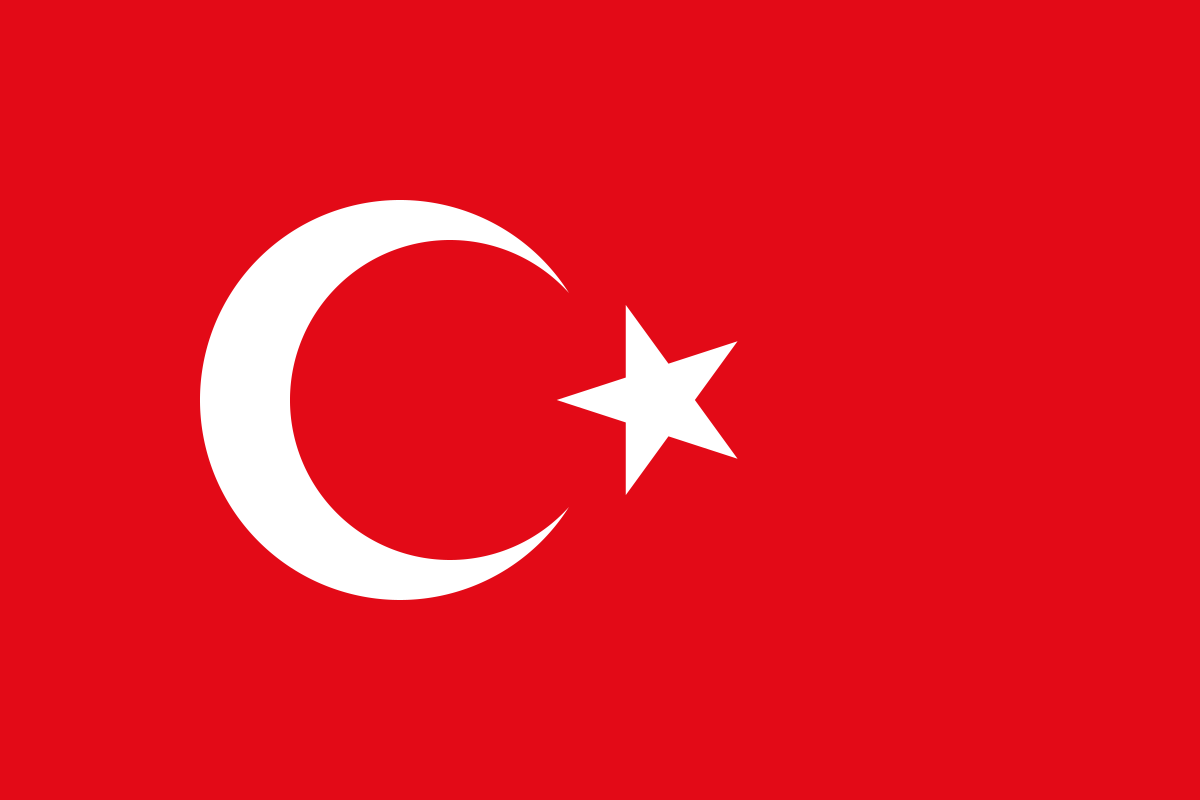
- ISO code
- TR
- Population
- 82,319,724
- Currency
- TRY
- Dial code
- +90
Building a Turkey Trip Around Istanbul, the Cappadocia Balloons, and the Turquoise Coast
The common assumption is that you can see all three Turkish heavyweights in one week. You cannot. The distances are deceptive. Istanbul to Cappadocia is a 90 minute domestic flight, but Cappadocia to the Turquoise Coast involves a second flight plus a transfer from Dalaman or Antalya, and the coast itself eats days in transit between coves. A realistic Turkey itinerary that connects Istanbul, the balloons over the fairy chimneys, and the shoreline needs at least ten days. It also demands you choose which coast section fits the season. April through October belongs to the sea. Winter brings snow to the rock cones and grounded flights, not beach weather. This guide routes you through the connective tissue: the domestic flights, the bus vs fly decision, and the cancellation realities that make the central region a gamble no matter when you book.
- Minimum Days Needed: 10 days. Less than that burns too much time on check in logistics and airport transfers.
- Best Time for Coast: April to October. Outside these months, many coastal hotels and gulet charters close.
- Balloon Flight Season: Year round, but wind grounds roughly one flight in three. Winter mornings offer snow on the rock formations but higher cancellation odds.
- Internal Flight Logic: Istanbul (IST or SAW) to Kayseri (ASR) or Nevsehir (NAV): 90 minutes. Then a second flight from Kayseri/Nevsehir to Antalya or Dalaman for the coast.
- Overnight Bus Reality: Istanbul to the central region by bus takes about 10 hours. It saves a hotel night but arrives tired. Only worth it if you genuinely fear flying.
- Museum Pass Tip: The Türkiye Museum Pass (about 500 TL in 2024, price set by the Ministry of Culture and Tourism) covers Topkapi, Hagia Sophia, and most valley sites in the region. Buy it at the first ticket desk.
Istanbul to Cappadocia: Fly or Bus
Fly. That is the direct answer. Turkish Airlines and Pegasus operate the route from both Istanbul airports: Istanbul Airport (IST) and Sabiha Gökçen (SAW). The flight lands at Kayseri Erkilet Airport (ASR) or the smaller Nevşehir Kapadokya Airport (NAV). Total flight time is 90 minutes. From Kayseri, a shuttle or taxi to Göreme takes about 45 minutes. Budget 300 to 400 TL for the transfer in 2024 prices. If you choose the overnight bus from Istanbul's Esenler Otogar, expect ten hours on the road, a stop at a roadside çay garden at 3 a.m., and arrival in Göreme around 7 a.m. feeling coated in diesel. The bus saves maybe 400 TL per person. It costs you a full day of sightseeing. Do not do it unless your flight budget is zero.
Domestic Flight Booking Window
Book Turkish Airlines or Pegasus domestic tickets at least six weeks ahead in summer. The Istanbul to Kayseri route fills with groups connecting to tours in the region. A last minute ticket can cost triple the early fare. Check both IST and SAW departures: Sabiha Gökçen is further from central Istanbul and adds 30 minutes via the E-80 highway, but Pegasus from SAW is sometimes cheaper.
What to Do With the Airport Transfer
From Istanbul Airport (IST), the Havaist bus to Sultanahmet runs about 90 minutes and costs around 60 TL. A taxi from IST to Sultanahmet is roughly 400 TL and a 45 minute ride, depending on traffic over the July 15 Martyrs Bridge. From Sabiha Gökçen, the Havabus goes to Taksim in about 60 minutes, then a tram or taxi to Sultanahmet. Do not take an unlicensed tout. Use the official Havaist or Havabus desk inside arrivals.

Balloon Cancellation Reality
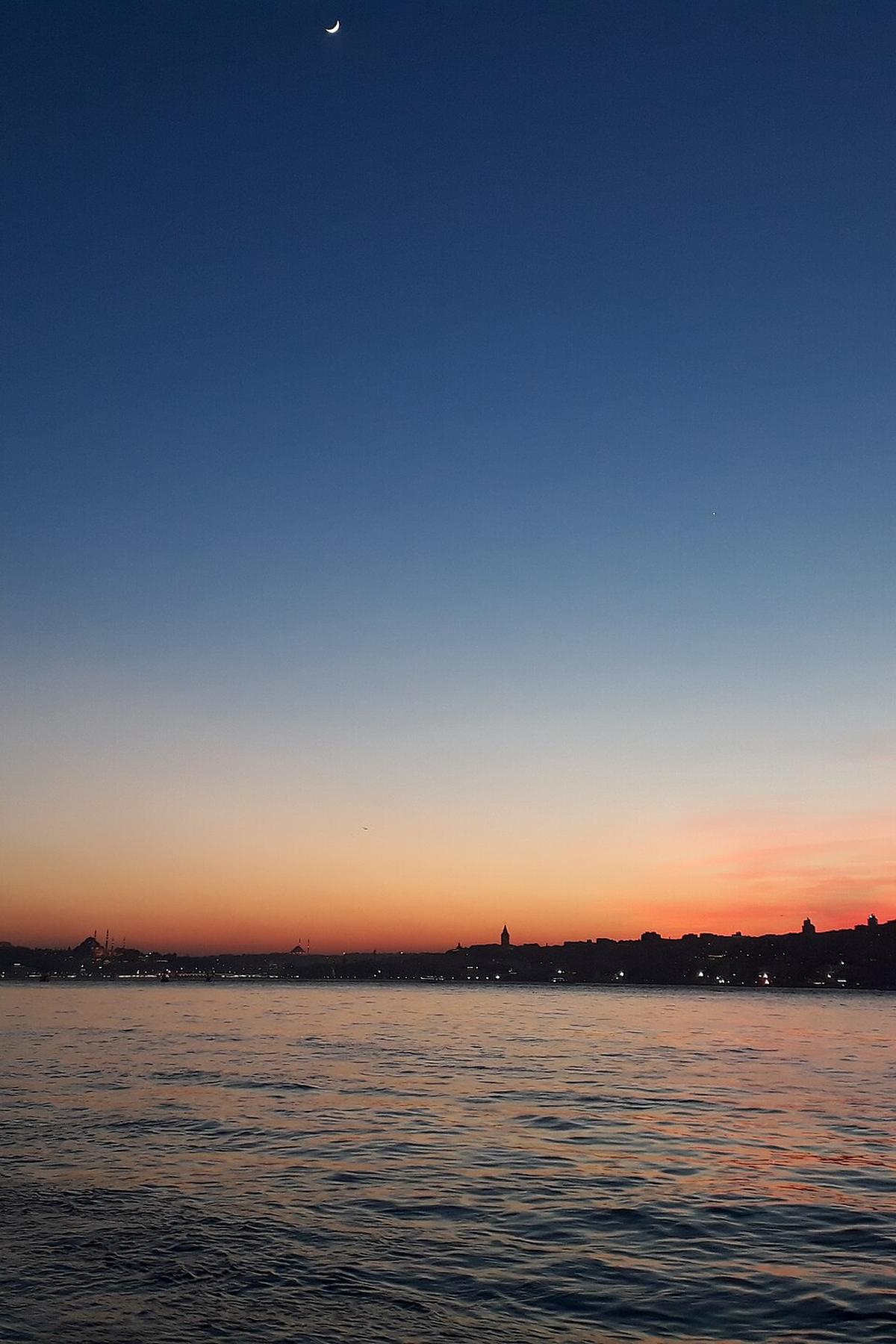
The flights are not grounded by rain. They are grounded by wind. Operators cancel roughly one morning in three year round. In winter, the cancellation rate climbs higher because the cold air creates stronger ground winds. In summer, the cancellations are rarer but still happen. The window for decisions is early: operators decide by 5 a.m. and notify you by 6 a.m. If your flight is cancelled, most operators offer a full refund or a same day transfer to the next morning. They do not offer a partial refund if you just decide not to fly. The practical move is to book two consecutive mornings in the region. That gives you two chances. If you only budget one morning and it cancels, you have no second chance.
Season Nuance
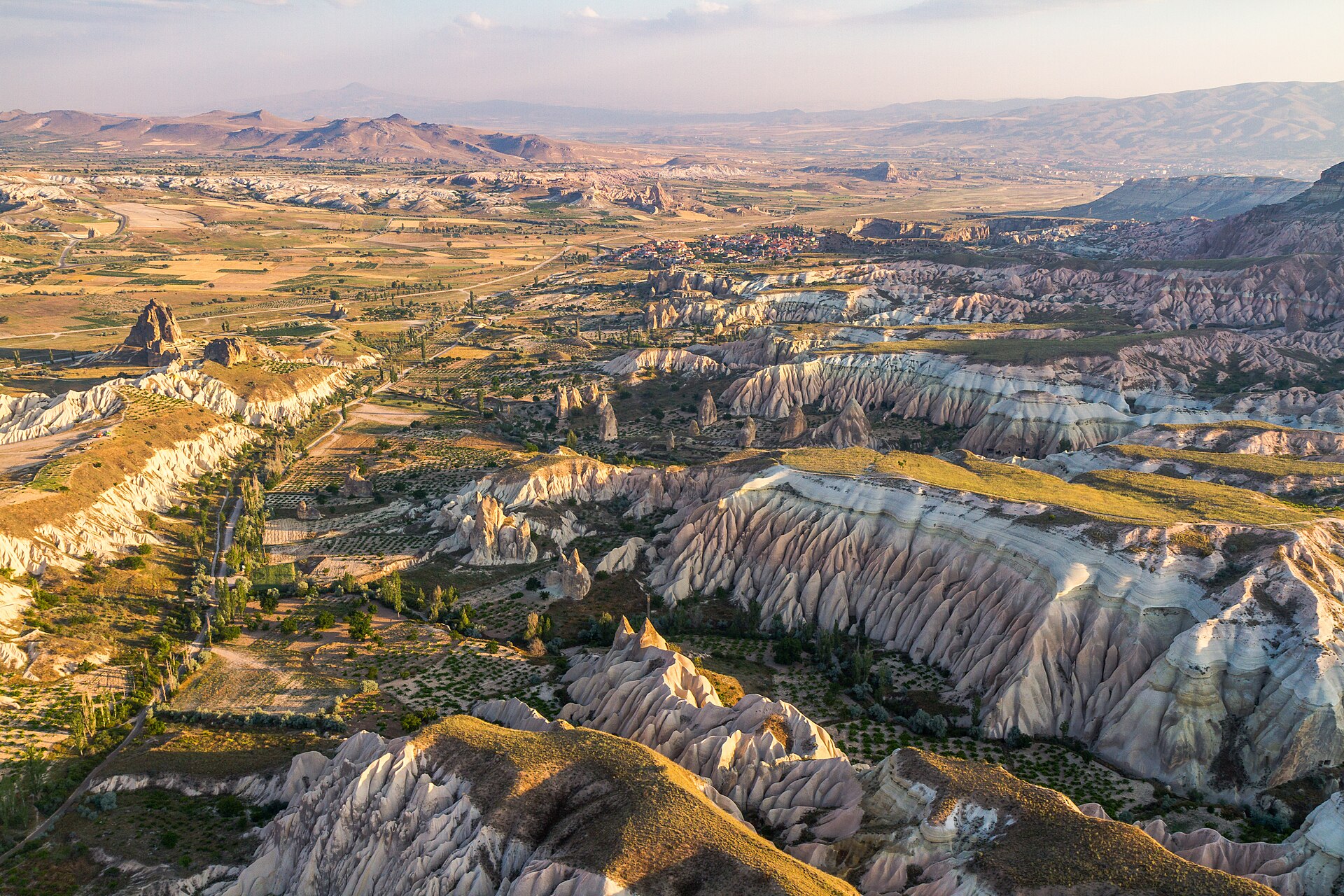
Flights run year round. The high season for tourists is April through October, when the weather is mild and the valleys are green. That is also when the skies are thickest with baskets: scores launch on a good morning from Göreme and the surrounding valleys. Winter, November through March, sees fewer in the air but adds snow on the rock cones, which creates a different kind of image. The trade off is a higher wind cancellation risk and colder start times: you will stand in the dark at 5 a.m. in sub zero temperatures waiting for the all clear.
From the Central Region to the Turquoise Coast: the Second Flight
From the fairy chimney valleys to the Turkish coast, you have two options: fly from Kayseri or Nevşehir to Antalya or Dalaman, or take an overnight bus. The flight is 1 hour 15 minutes. Turkish Airlines and Pegasus both operate the route. Dalaman serves the Fethiye and Ölüdeniz section of the Lycian Way. Antalya serves the gulf beaches, Kemer, and the start of the route toward the western coast. The bus from Göreme to Antalya takes about 8 hours. It is a daytime bus, not overnight, because the route crosses the Taurus Mountains and the scenery merits riding it awake. The bus arrives at Antalya's main otogar, from which a taxi to the old city centre or Lara Beach takes about 20 minutes.
Which Coast Section to Choose
This is the fork in the road. If you have ten days total, pick one coast section. Do not try to see both Fethiye and Antalya. The drive between them along the coastal highway is about 4 hours on a good day, but summer traffic, tour buses, and the single lane sections east of Kalkan make it a half day commitment. A Fethiye base gives you the Blue Lagoon at Ölüdeniz, the Butterfly Valley boat trip, and the starting point of the Lycian Way. An Antalya base gives you the old Harbour in Kaleiçi, the Düden Waterfalls, and a shorter transfer to the departure gate for your return flight. Choose based on what you want from the coast: dramatic cliffs and paragliding means Fethiye. Roman ruins and a walkable old city means Antalya.
The Turkish Coast Itinerary: April to October Only
The Turquoise Coast is a seasonal proposition. April through October is the window when the water is warm, the gulets are running, and the beach clubs are open. In March and November, the water is swimmable but the air temperature in the evening can drop to 15°C. From November through March, many hotels in Çıralı, Olympos, and the smaller coves close entirely. Fethiye and Antalya have year round city centres, but the coastal resorts that define the experience are shuttered. Respect this seasonality: you cannot do a proper coast trip in January. If you are visiting between November and March, swap the coast for more days in Istanbul and the central region, where the winter snow on the rock formations is a genuine draw and the city's museums and hammams operate year round.
What a Hammam Costs
A traditional hammam in Istanbul's Sultanahmet district, such as the Cağaloğlu Hamamı or the Çemberlitaş Hamamı, costs between 600 and 800 TL for the standard kese (exfoliation) and köpük (foam massage) package in 2024. This includes a towel, a soap massage, and a rest in the warm dome. Do not pay for the extra 'luxury' add ons. The basic service is the real one. Tip the attendant 50 to 100 TL.
A 10 Day Trip Plan That Works
This is not a day by day diary. It is a block plan. Day 1: arrive in Istanbul, transfer from the arrival hall to Sultanahmet via Havaist or taxi. Do not visit a museum on arrival day. Walk the Hippodrome and the Grand Bazaar, which closes on Sundays, so verify your day of the week. Day 2: Sultanahmet sites. Use the Museum Pass. Day 3: Bosphorus ferry in the morning, then a late afternoon flight to Kayseri or Nevşehir. Day 4: Balloon flight morning (booked two consecutive slots). Göreme Open Air Museum in the afternoon. Day 5: Second balloon slot if first cancelled. If it flew, take a valley hike or a sunset ATV tour. Evening flight to Antalya or Dalaman. Day 6: Coast arrival day. Transfer to Fethiye or Kaleiçi. Pide at a local ocakbaşı for dinner. Day 7: Coast day. Boat trip, or Lycian Way walk section, or simply a beach day. Day 8: Coast day. Day 9: Return to Istanbul or direct to the departure gate. Day 10: Departure. This plan gives you two full days in Istanbul, two full days in the central region with a balloon buffer, and three full days on the coast. It is tight but it works if you book the internal flights in advance.
Where the Plan Breaks
The plan breaks if the balloon cancels both mornings. If that happens, you have a choice: skip the coast day 3 to stay an extra night in the central valleys, or accept the lost flight and move on. The plan also breaks if you try to add a second coast destination. Fethiye and Antalya are not a day trip from each other. Pick one and stick to it.

| Route | Flight Time | Bus Time | Best For |
|---|---|---|---|
| Istanbul to Kayseri/Nevşehir | 90 minutes | 10 hours overnight | Speed and convenience |
| Kayseri/Nevşehir to Antalya | 1 hour 15 minutes | 8 hours daytime | Coastal start in the west |
| Kayseri/Nevşehir to Dalaman | 1 hour 15 minutes | 9 hours | Fethiye and Ölüdeniz access |
| Istanbul to Antalya (direct) | 1 hour 20 minutes | 12 hours | Skipping the central region entirely |
| Antalya to Fethiye | Fly: 35 mins. Drive: 4 hours | N/A | Coastal connection between two nodes |
Packing for the Seasonal Split
Packing for a trip that includes Istanbul, the rock valleys, and the coast is packing for three different climates. Istanbul is a city of layers year round. A light jacket works from April to October, and a proper coat from November to March. The central region is cold in the morning no matter the season. The balloon launch at 5 a.m. in summer requires a fleece. In winter, you need thermal layers, a wool hat, and gloves for standing on the launch pad. The coast from April to October is hot. 30°C in July is normal. Swimwear, sunglasses, and sunblock are non negotiable. The one item that serves all three is a pair of comfortable walking shoes. Istanbul's Sultanahmet cobblestones, the valley trails, and the coast's Lycian Way sections all punish thin flip flops.
Who This Trip Suits and Who Should Skip it
This itinerary suits a first time visitor who wants the three headline experiences and is willing to move fast. It suits someone who understands that domestic flights are not a luxury but a necessity in Turkish geography. It suits the traveller who books the balloon flight knowing that wind may cancel it and budgets a second morning anyway. It does not suit the traveller who wants to sit in one place for a week. It does not suit the person who thinks the overnight bus sounds like an adventure. And it does not suit anyone arriving between November and March who expects to swim. Those travellers should pick two locations instead: Istanbul plus the central region for the winter snow, or Istanbul plus Antalya for a city and coast break. Trying to do all three in winter stretches the connections too thin and leaves the coast feeling like an empty transfer stop.
Regions & cities in Turkey
-
 Antalya
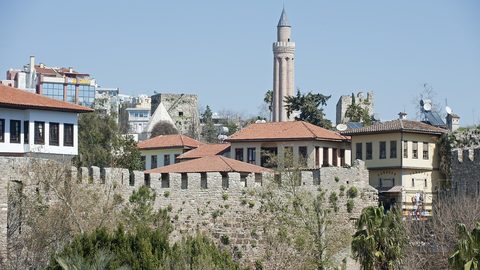
 old town Kaleici is a Roman harbour wrapped in walls, and the resort coast of Lara and Konyaalti is bolted on beyond it. Here is how to choose between the two.
Antalya
Antalya old town Kaleici is a Roman harbour wrapped in walls, and the resort coast of Lara and Konyaalti is bolted on beyond it. Here is how to choose between the two.
-
 Istanbul
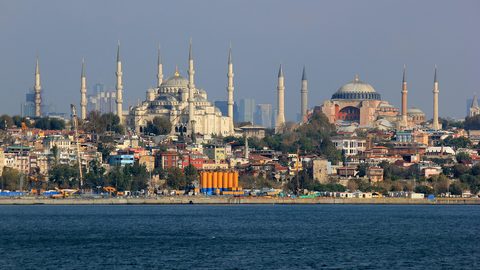
Where to stay in Istanbul: compare Sultanahmet, Beyoglu, and Kadikoy on sight access, Bosphorus ferry commutes, airport transfers, and the real cost of a rooftop breakfast.
Istanbul
Where to stay in Istanbul: compare Sultanahmet, Beyoglu, and Kadikoy on sight access, Bosphorus ferry commutes, airport transfers, and the real cost of a rooftop breakfast.
More on Turkey
-
 Turkey Itineraries for Seven Days Ten Days and Two Weeks of What Actually Fits
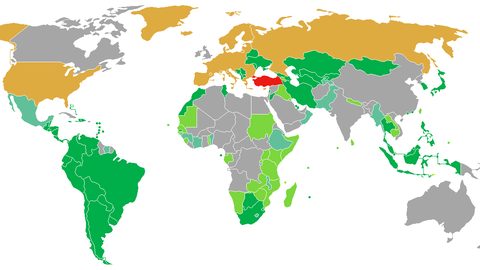
Turkey itineraries for seven, ten, and fourteen days: how many stops actually fit when you account for domestic flights, balloon cancellation buffers, and transfer friction.
Turkey Itineraries for Seven Days Ten Days and Two Weeks of What Actually Fits
Turkey itineraries for seven, ten, and fourteen days: how many stops actually fit when you account for domestic flights, balloon cancellation buffers, and transfer friction.
-
 Best Time to Go to Turkey Across Three Climates and One Country
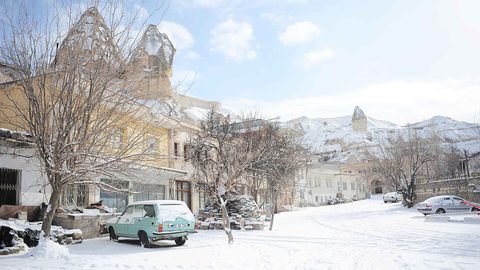
The best time to go to Turkey depends on which climate you mean: Istanbul's Marmara, Cappadocia's continental snow, or the Mediterranean coast's summer bake. Here is the month-by-month matrix.
Best Time to Go to Turkey Across Three Climates and One Country
The best time to go to Turkey depends on which climate you mean: Istanbul's Marmara, Cappadocia's continental snow, or the Mediterranean coast's summer bake. Here is the month-by-month matrix.
-
 Turquoise Coast Boat Cruise Gulet Day Boat and Which Trip Is Worth It
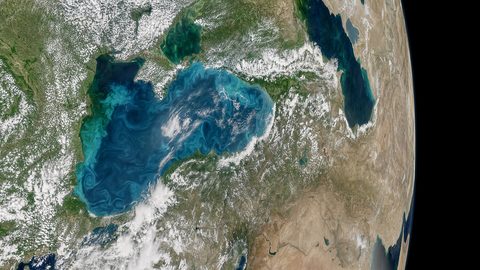
A Turquoise Coast boat cruise means a gulet cabin charter, a private hire, or a day boat. Here is the route, the nightly rate, and which one is actually worth it.
Turquoise Coast Boat Cruise Gulet Day Boat and Which Trip Is Worth It
A Turquoise Coast boat cruise means a gulet cabin charter, a private hire, or a day boat. Here is the route, the nightly rate, and which one is actually worth it.
-
 Antalya vs Fethiye Which Turkish Coast Base for a Week
Antalya or Fethiye for a week on the Turkish coast? One is a city with a Roman old town and tram line, the other a harbour hub for paragliding and boat trips. Your call.
Antalya vs Fethiye Which Turkish Coast Base for a Week
Antalya or Fethiye for a week on the Turkish coast? One is a city with a Roman old town and tram line, the other a harbour hub for paragliding and boat trips. Your call.
Common Questions
How many days do I need for Istanbul in a 10 day trip?
Two full days plus an arrival and departure day. That is enough for the Sultanahmet sites, a Bosphorus ferry, and one evening in a çay garden. Three days is better if you want a hammam and a Balat walk.
Should I book the balloon flight in advance?
Yes. At least four weeks ahead in summer. The major operators such as Royal Balloon and Butterfly Balloons sell out. You pay a deposit online and the remainder on the morning of the flight. If the flight is cancelled due to wind, you get a full refund.
What is the Grand Bazaar closing day?
Sunday. The Grand Bazaar is closed every Sunday. It is also closed on religious holidays. All other days it is open from 9 a.m. to 7 p.m.
Can I do the coast in October?
Yes. October is one of the best months. The water is still warm from summer, the crowds have thinned, and the air temperature in Fethiye and Antalya sits around 25°C. November is the edge month.
Is the overnight bus safe?
Yes. Turkish intercity buses are regulated, clean, and staffed with a host who serves tea and snacks. The route from Istanbul to the central region is well travelled. The bus is safe. It is just not efficient for a short trip.
What does the Museum Pass cover?
The Türkiye Museum Pass covers entry to Topkapi Palace, Hagia Sophia, the Istanbul Archaeological Museums, the Göreme Open Air Museum, the Zelve Open Air Museum, and several underground cities in the region. The 2024 price was around 500 TL. Check the Ministry of Culture and Tourism website for the current rate.
Can I visit the central region and the coast in winter?
You can visit the central region in winter and it is spectacular with snow on the rock formations. The coast is not recommended between November and March because many hotels and boat tours shut down. If your travel window is November to March, spend the extra days in Istanbul and the fairy chimney valleys.
Read next
-
Istanbul
Where to stay in Istanbul: compare Sultanahmet, Beyoglu, and Kadikoy on sight access, Bosphorus ferry commutes, airport transfers, and the real cost of a rooftop breakfast.
-
Antalya
Antalya old town Kaleici is a Roman harbour wrapped in walls, and the resort coast of Lara and Konyaalti is bolted on beyond it. Here is how to choose between the two.
-
Turkey Itineraries for Seven Days Ten Days and Two Weeks of What Actually Fits
Turkey itineraries for seven, ten, and fourteen days: how many stops actually fit when you account for domestic flights, balloon cancellation buffers, and transfer friction.
-
Best Time to Go to Turkey Across Three Climates and One Country
The best time to go to Turkey depends on which climate you mean: Istanbul's Marmara, Cappadocia's continental snow, or the Mediterranean coast's summer bake. Here is the month-by-month matrix.
-
Turquoise Coast Boat Cruise Gulet Day Boat and Which Trip Is Worth It
A Turquoise Coast boat cruise means a gulet cabin charter, a private hire, or a day boat. Here is the route, the nightly rate, and which one is actually worth it.
-
Antalya vs Fethiye Which Turkish Coast Base for a Week
Antalya or Fethiye for a week on the Turkish coast? One is a city with a Roman old town and tram line, the other a harbour hub for paragliding and boat trips. Your call.
-
 Getting to Indonesia's Eastern Islands Without Routing Through Bali
Skip the Bali default. Here's how to reach Flores, Komodo, and Raja Ampat through Makassar, Lombok, and Surabaya with real costs.
Getting to Indonesia's Eastern Islands Without Routing Through Bali
Skip the Bali default. Here's how to reach Flores, Komodo, and Raja Ampat through Makassar, Lombok, and Surabaya with real costs.
-
 Bali, Lombok, or Nusa Penida — Ferry Routes, Real Costs, and How to Decide
Compare ferry routes, crossing times, and real ticket prices for Bali, Lombok, and Nusa Penida — then match the right island to your trip length and goals.
Bali, Lombok, or Nusa Penida — Ferry Routes, Real Costs, and How to Decide
Compare ferry routes, crossing times, and real ticket prices for Bali, Lombok, and Nusa Penida — then match the right island to your trip length and goals.