Planning a UAE Trip Around Two Cities, One Desert, and the Four Months to Avoid
Plan a UAE trip around Dubai, Abu Dhabi, and the desert, and learn why June through September is the four-month window you must avoid.
- Flag
-

- ISO code
- AE
- Population
- 9,630,959
- Currency
- AED
- Dial code
- +971
At 11:00 on a July morning in Dubai, the temperature hits 44°C and the humidity locks the air. You can stand on a corner in Deira for about ninety seconds before your shirt is soaked through and your brain tells you to find a door. This is not a holiday snag. From June to September, the UAE shifts indoors completely, and anyone planning a trip needs to understand that the country is really three destinations, Dubai, Abu Dhabi, and the desert between them, and that the calendar decides which of those you actually get to experience. UAE trip planning starts with the dates, not the sights.
- Minimum days: 7 days to see both cities plus one desert overnight. 10 days if adding Liwa or longer desert time.
- Peak season: November to March. Crowds, high nightly rates, but the only months you can walk outside comfortably.
- Avoid window: June to September. Walking outside becomes genuinely dangerous by mid-afternoon.
- Airports: DXB (Dubai) and AUH (Abu Dhabi). Both are 30-45 minutes from their respective city centres.
- Getting between cities: 90 minutes by car on the E11 highway. 2 hours by bus from either airport.
The Four Months That Change Everything: UAE Summer Heat Months
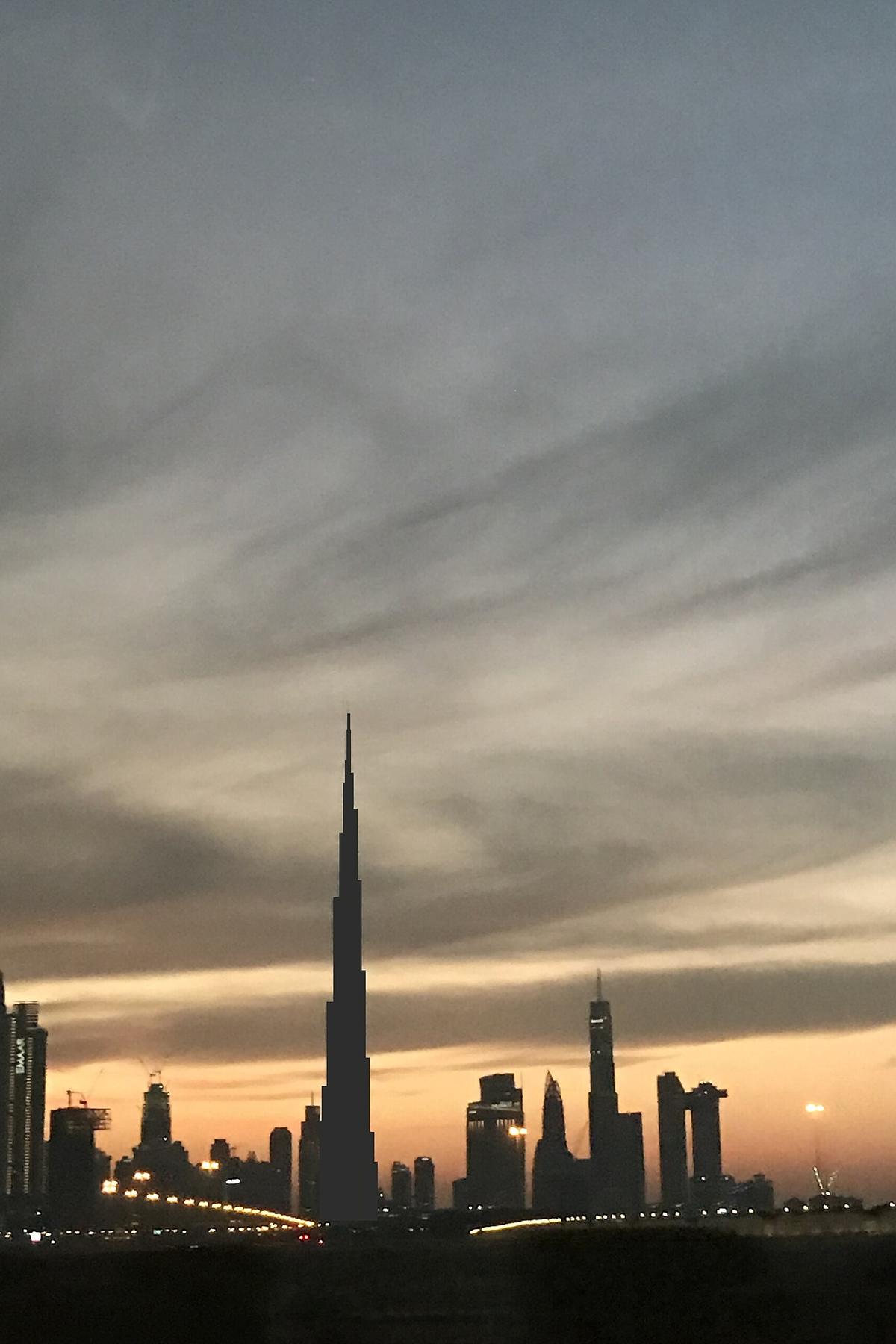
If you book between June and September, you are not visiting the UAE. You are visiting its air-conditioned interiors. The UAE summer heat months push average daily highs above 40°C, but the real problem is the humidity on the coast. Dubai and Abu Dhabi sit on the Gulf, and the combination of 44°C air and 80 percent moisture makes walking outside feel like standing in front of a hot hairdryer that never switches off. The 1.5-kilometre air-conditioned walkway in Downtown Dubai connecting Burj Khalifa to The Dubai Mall exists because people would not make that journey otherwise in summer.
Desert Safaris in the Heat
You can do a desert safari dune bashing in the early morning or after sunset, and you should, but you will not linger at the camp until the sun drops. Even the Emirates desert day trip operators shift their departure times to 03:30 or 04:00 in July and August. Check the current rates with each operator directly, as these change annually and vary by tour company.
_-_UAE.jpg)
Building Your Dubai and Abu Dhabi Itinerary
A solid Dubai and Abu Dhabi itinerary splits the trip so that Dubai gets the spectacle and Abu Dhabi gets the cultural weight. Dubai is about the Burj Khalifa, the souk district in Deira, the metro Red Line that runs from the airport through the city centre to the Marina, and the sheer scale of The Dubai Mall. You do not need a car in Dubai if you stay near a metro station. Abu Dhabi is about the Sheikh Zayed Mosque, the Louvre, the Qasr Al Watan palace, and a slower pace. The drive between them on the E11 takes 90 minutes, and the bus from DXB or AUH runs every 30 minutes.
Where to Stay in Dubai
The nightly rate five-star hotels on the Palm or in the Marina hit 1,200 AED in November and January, which is peak season. Off-peak, the same rooms drop sharply. The key is location: if you intend to use the metro, stay within a short walk of a Red Line station. The Marina, Dubai Mall area, and Downtown all work. Deira and Bur Dubai are cheaper but further from the new city centre and the air-conditioned walkway network.
Where to Stay in Abu Dhabi
Abu Dhabi is spread out. The Corniche is the walkable strip; the Saadiyat Island hotel corridor is where the five-star properties sit. You need taxis here, and they are metered and cheap, expect 20-40 AED per ride within the city. The abaya dress code mosque applies at Sheikh Zayed Mosque: women must cover their hair, wrists, and ankles, and men must cover their shoulders and knees. The mosque provides abayas at the entrance if you do not have one.
Getting Around Without a Tour
Rent a car if you want to explore the desert on your own schedule. If you stay in the cities, you do not need one. The metro Red Line covers Dubai’s main spine from the airport through Burj Khalifa to the Marina. Taxis in both cities accept card. A single trip between Dubai and Abu Dhabi by bus costs 25 AED and takes 2 hours from the Ibn Battuta or Al Ghubaiba stations. Buses run every 30 minutes from both airports.
When the UAE Actually Works: Best Time to Visit UAE
The best time to visit UAE runs from November through March. Daytime temperatures sit between 24°C and 30°C, and you can walk from the metro to the Burj Khalifa without feeling the pavement through your shoes. This is also the shoulder season November slot where crowds are lower than December but the weather is already good. December and January are peak: the Dubai Shopping Festival pulls millions, nightly rate for a five-star in Downtown hits 1,500 AED, and the queue for the Burj Khalifa observation deck stretches 90 minutes even with a pre-booked slot.
Ramadan and the Transitional Months
October and April are transitional months, still hot in the middle of the day but manageable in the mornings and evenings. If you come in April, you need to check if Ramadan opening hours are in effect. During Ramadan, many restaurants close during daylight, the alcohol licence hotel rules still require that you drink in licensed premises (which means most hotels and some clubs), and the atmosphere goes quiet until the sunset meal. The upside: shisha café culture blooms after iftar, and tourist attractions run shorter hours but are nearly empty.
| Month Window | Daytime High | Outdoor Activity | Nightly Rate (5-Star Downtown Dubai) |
|---|---|---|---|
| November | 28–30°C | Full day possible. Desert safari, walking tours, beach. | 800–1,200 AED |
| December–February | 24–27°C | Peak season. Crowded but comfortable. | 1,200–1,800 AED |
| March | 28–32°C | Still pleasant mornings. Getting hot by 14:00. | 700–1,000 AED |
| April–May | 34–38°C | Outdoor activity limited to early morning or late evening. | 500–700 AED |
| June–September | 40–46°C | Walking outside is dangerous 10:00–17:00. All life indoors. | 350–500 AED |
| October | 34–36°C | Transitional. Hot midday, but doable mornings. | 600–800 AED |

The Third Character: the Emirates Desert Day Trip
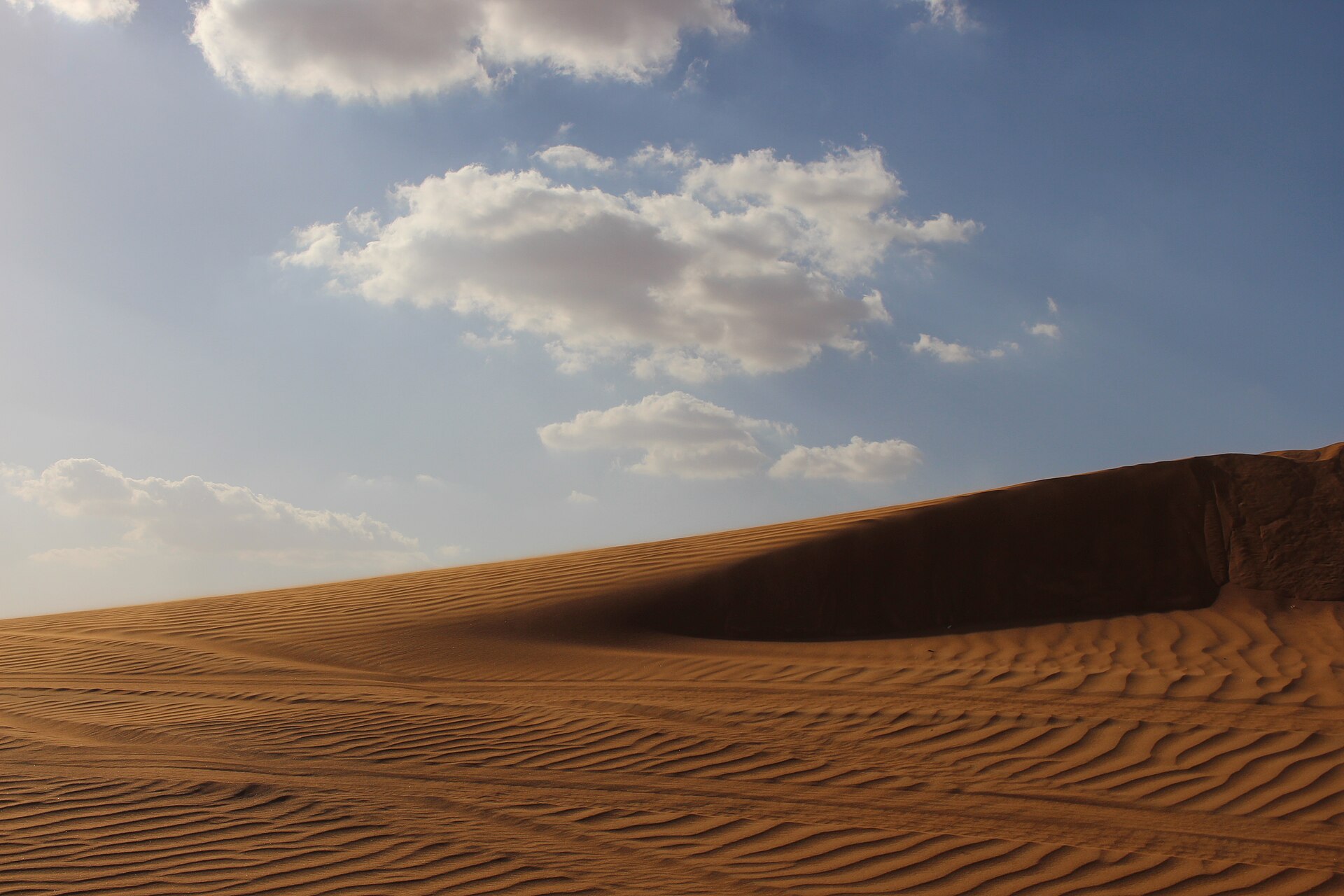
Most first-time visitors book a desert experience through their hotel concierge and get a standard desert safari dune bashing tour that picks them up at 15:00, runs for four hours, and deposits them back with a buffet dinner and a mediocre belly dance. That is fine for the Instagram. But the desert in the UAE is larger than that.
Liwa Oasis: The Desert Done Right
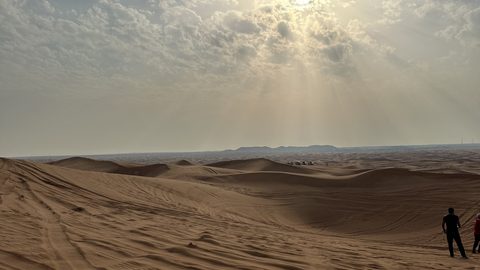
The Emirates desert day trip worth taking is the one that goes to the Liwa Oasis, about two hours south of Abu Dhabi near the Saudi border. Liwa sits on the edge of the Empty Quarter, the Rub' al Khali, and it is a different scale, dunes that reach 300 metres high, a horizon that looks like a wave about to break, and almost no other vehicles. You need a dedicated driver or a tour that specialises in that region. It costs more than the standard package, expect upwards of 600 AED per person for a full-day tour from Abu Dhabi, not including the overnight stay, but it is the desert as a third character, not a theme park backdrop. If you only have one day, book a morning tour that departs at 05:30 and returns by 11:00, then spend the afternoon at the beach on the UAE's Gulf coast. The alternative is the evening dune bashing with a camp dinner, which works fine from November to March, but from June to September the camp is too hot to eat in without an air-conditioned tent, which defeats the point.
Who This Destination Suits and Who it Does Not
The UAE rewards travellers who want spectacle and comfort over wilderness and spontaneity. If you want to stand on the observation deck of the Burj Khalifa, walk through the Sheikh Zayed Mosque at sunset, and ride dunes in an air-conditioned 4x4, then eat dinner at a restaurant that cost a billion dollars to build, this is your place. It suits people who book ahead, stay in hotels with pools and gyms, and travel during the November, March shoulder season November window when the weather is a gift rather than a challenge. It also suits anyone who needs reliable infrastructure, the metro Red Line runs on time, taxis take card, DXB and AUH airports move people through immigration in under 30 minutes.
It does not suit travellers who want cheap accommodation (budget is not the UAE's strength), anyone visiting during the UAE summer heat months who cannot handle being confined to interiors for days straight, or people seeking genuine cultural immersion outside the curated heritage villages. The souk districts are beautiful but commercial. The UAE is not a backpacking destination, it is a desert-and-skyscraper luxury proposition built around two cities and the sand that connects them. If that sounds like your trip, book November, split your nights between Dubai and Abu Dhabi, and budget for the desert as the third stop, not the afterthought.
Regions & cities in United Arab Emirates
-
 Abu Dhabi
 as a day trip from Dubai or an overnight stay: compare Sheikh Zayed Mosque logistics, hotel prices, and what the quieter capital offers beyond the Corniche.
Abu Dhabi
Abu Dhabi as a day trip from Dubai or an overnight stay: compare Sheikh Zayed Mosque logistics, hotel prices, and what the quieter capital offers beyond the Corniche.
-
 Dubai
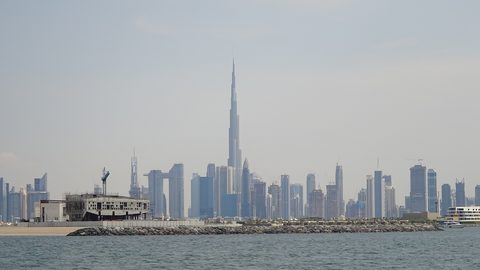
Where to stay in Dubai: compare Marina, Downtown, Palm Jumeirah, and Deira on beach access, metro links, and what the June-to-September heat really costs you.
Dubai
Where to stay in Dubai: compare Marina, Downtown, Palm Jumeirah, and Deira on beach access, metro links, and what the June-to-September heat really costs you.
More on United Arab Emirates
-
 Best Time to Visit the UAE and the Four Months You Should Not
The best time to visit the UAE is November to March. The four months from June through September are genuinely too hot for outdoor activity, and Ramadan shifts everything.
Best Time to Visit the UAE and the Four Months You Should Not
The best time to visit the UAE is November to March. The four months from June through September are genuinely too hot for outdoor activity, and Ramadan shifts everything.
-
 UAE Costs at the Bottom and the Top from Dorm Bed to Palace Suite
UAE costs span a Deira dorm bed and a Palm palace suite. Here is the real daily spend at the bottom and the top, with every line item counted in Dirhams.
UAE Costs at the Bottom and the Top from Dorm Bed to Palace Suite
UAE costs span a Deira dorm bed and a Palm palace suite. Here is the real daily spend at the bottom and the top, with every line item counted in Dirhams.
-
 Dubai vs Abu Dhabi Which UAE City Fits Your Trip
Dubai or Abu Dhabi for your UAE trip? One is spectacle and nightlife, the other culture and calm. Most travellers should do both, but your base depends on what kind of trip you want.
Dubai vs Abu Dhabi Which UAE City Fits Your Trip
Dubai or Abu Dhabi for your UAE trip? One is spectacle and nightlife, the other culture and calm. Most travellers should do both, but your base depends on what kind of trip you want.
Common Questions
Can I visit both Dubai and Abu Dhabi in one week?
Yes. Spend 4 nights in Dubai and 3 in Abu Dhabi. The bus between them takes 2 hours. You lose one afternoon to the transfer but save money compared to a private car.
Is Burj Khalifa worth the queue?
Yes, but book the 08:30 time slot online at least two weeks ahead. The standard observation deck ticket costs about 150 AED. Skip the premium-level upgrade; the view is nearly the same for triple the price.
Do I need a visa for the UAE?
Check the current visa rules with your country's embassy. Visa on arrival is available for many passport holders. The rules change, so verify before booking flights.
Can I drink alcohol in the UAE?
Yes, in licensed hotel bars, restaurants, and clubs. You need an alcohol licence to buy from a store, but hotel venues serve without one. Never drink in public or drive under the influence, zero tolerance.
Read next
-
Dubai
Where to stay in Dubai: compare Marina, Downtown, Palm Jumeirah, and Deira on beach access, metro links, and what the June-to-September heat really costs you.
-
Abu Dhabi
Abu Dhabi as a day trip from Dubai or an overnight stay: compare Sheikh Zayed Mosque logistics, hotel prices, and what the quieter capital offers beyond the Corniche.
-
Best Time to Visit the UAE and the Four Months You Should Not
The best time to visit the UAE is November to March. The four months from June through September are genuinely too hot for outdoor activity, and Ramadan shifts everything.
-
UAE Costs at the Bottom and the Top from Dorm Bed to Palace Suite
UAE costs span a Deira dorm bed and a Palm palace suite. Here is the real daily spend at the bottom and the top, with every line item counted in Dirhams.
-
Dubai vs Abu Dhabi Which UAE City Fits Your Trip
Dubai or Abu Dhabi for your UAE trip? One is spectacle and nightlife, the other culture and calm. Most travellers should do both, but your base depends on what kind of trip you want.
-
 Bali, Lombok, or Nusa Penida — Ferry Routes, Real Costs, and How to Decide
Compare ferry routes, crossing times, and real ticket prices for Bali, Lombok, and Nusa Penida — then match the right island to your trip length and goals.
Bali, Lombok, or Nusa Penida — Ferry Routes, Real Costs, and How to Decide
Compare ferry routes, crossing times, and real ticket prices for Bali, Lombok, and Nusa Penida — then match the right island to your trip length and goals.