When to Go to the UAE, and the Four Months Not To
The best time to visit the UAE is November to March. The four months from June through September are genuinely too hot for outdoor activity, and Ramadan shifts everything.
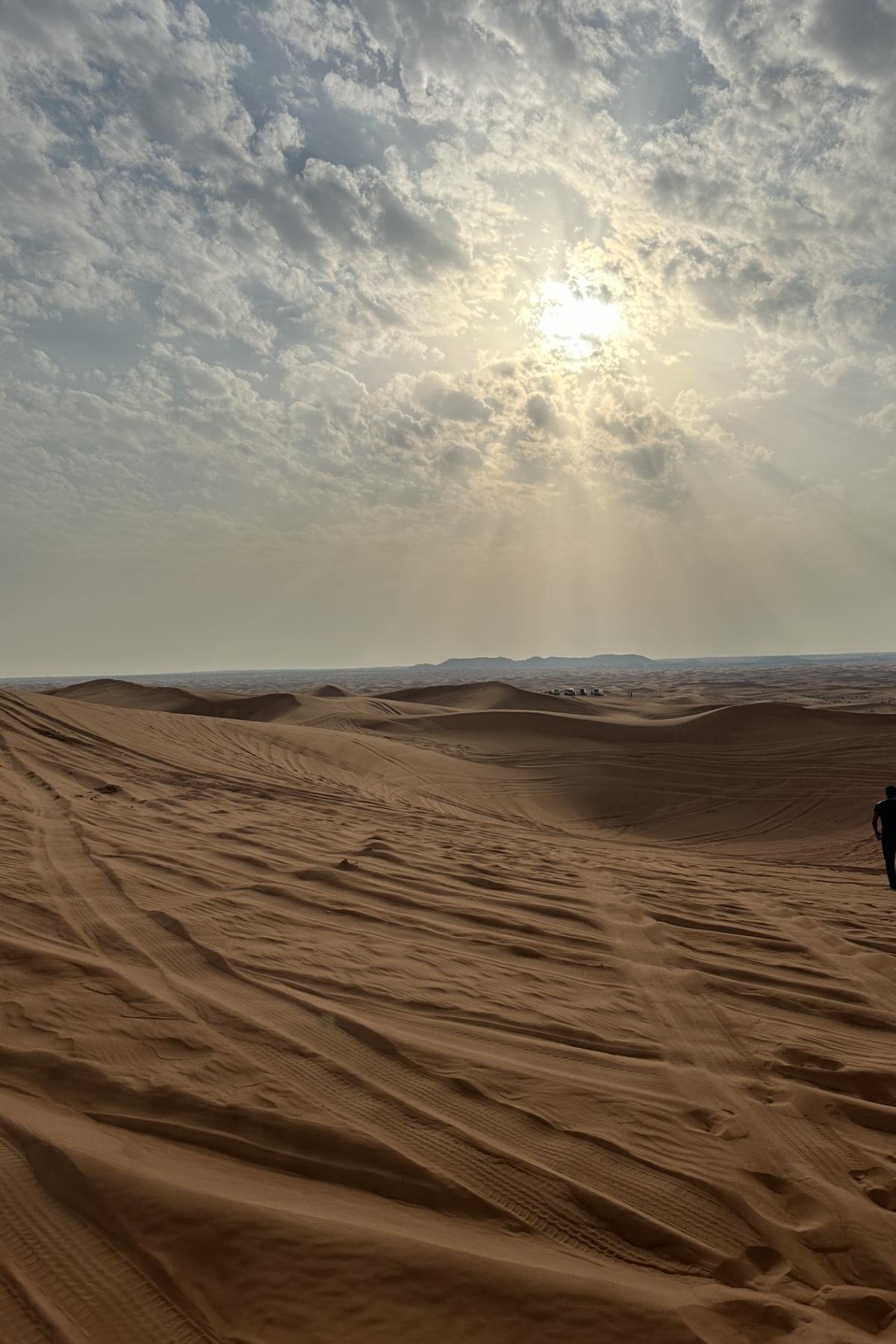

When to Go to the UAE, and the Four Months Not to
The best time to visit the UAE is November to March. Daytime temperatures sit between 28°C and 33°C, and you can be outside comfortably from morning until evening. The four months that follow are not merely warm. June to September bring coastal humidity at 75% to 95%. The heat index pushes 40°C to 50°C. The window for being outside shrinks to 06:00-10:00 and 16:00-18:00. After 10am, outdoor exertion becomes physically punishing. Desert safari operators shut down during daylight hours. This is a calendar of consequence: the exact month bands for beach club weather, the dates when nightly rates crater, and the window when a Liwa desert trip becomes unsafe to book. The second factor that rewrites plans is the holy month, which shifts eating hours and alcohol service across the entire country. Plan around both, and you save money and avoid misery.
UAE Weather by Month
What Each Month Actually Feels Like
November and December deliver the most comfortable beach club and alfresco dining conditions. January and February are the coolest months. Some evenings require a light jacket. March warms up but stays pleasant. April is a transitional month: the pools and beach clubs fill early, and by 11am most people retreat indoors. May is hot but tolerable before the humidity spike. June marks the start of the punishing stretch. July and August are the worst, with the highest combination of heat and humidity. September stays extreme, though the later weeks begin to ease toward October. October is the second shoulder month. The heat drops enough to make evening dining outside viable again, yet hotel rates stay low because operators have not switched to peak pricing.
Dubai Summer Heat: What You Can and Cannot Do
Your Daily Outdoor Window
June to September in Dubai is not a holiday you spend outside. The outdoor window is 06:00 to 10:00 and 16:00 to 18:00. Anything planned outside those bands needs a plan B that involves air conditioning. Desert safari operators run most trips from late afternoon into the evening, but the driving and dune bashing component is compressed into the cooler part of the day. Some suspend operations entirely during July and August. The sand temperature burns through footwear, and guests cannot safely stand outside for photos. Check with your operator whether your chosen date falls within their operating calendar.
Beach Clubs and Pools in the Heat
Beach club and pool day culture adapts. It does not disappear. The pool at most Dubai Marina beach clubs opens early, and the clubs fill from 07:00 to 10:00. By 11am, the deck chairs empty. The clubs reopen their outdoor areas around 16:00. The Gulf water temperature during these months sits at 28°C to 30°C. It feels like bathwater. Regulars spend the heat of the day in the club's indoor lounge or restaurant, which is fully air conditioned.
The single biggest failure case is booking a midday outdoor activity in July. If you have a desert safari scheduled for a 14:00 pickup in August, cancel it. Reschedule for November to March, or accept that you will spend the middle hours in an air conditioned vehicle with limited stopping time.
Ramadan UAE Travel: How it Changes Your Day
Dates That Shift Each Year
Islam follows a lunar calendar, so the holy month moves forward roughly 10 days annually. Ramadan 2026 is expected to start around 18 February 2026, with Eid al Fitr falling around 20 March 2026. Ramadan 2027 is expected to start around 8 February 2027, with Eid al Fitr around 10 March 2027. Eid al Adha 2026 falls around 27 May 2026, and Eid al Adha 2027 around 17 May 2027. These dates shift and depend on moon sighting. Check the official announcement from the UAE government or the Emirates Astronomical Society for the precise dates in force when you travel.
Daylight Rules and Eating
During the holy month, the entire country observes fasting from dawn to sunset. You cannot eat, drink, or smoke in public during daylight hours. This applies to everyone, including tourists. Hotels and restaurants serve food behind curtains or in screened-off areas. Most cafes and restaurants in malls and tourist zones, including Dubai Marina and the major Dubai Mall food courts, stay open for takeaway and screened dining. Sit-down meals in view of the public are not served. Alcohol service during daylight hours stops. After sunset, the country comes alive. Iftar, the meal that breaks the fast, is served in most hotels and many restaurants as a fixed-price buffet. Suhoor, the pre-dawn meal, is also offered. Both are excellent value, cheaper than standard dinner menus, and many hotels run special set menus.
How Visitors Adapt
Non-Muslim visitors have two choices during the daylight hours. Eat in your hotel room, or eat in the screened-off section of a restaurant. The practical effect: your lunch routine becomes a room-service routine for the month. Plan your day around a large breakfast before sunrise and a substantial iftar meal at sunset. After iftar, the malls, souks, and beach clubs stay open late, often until 01:00 or 02:00. Night swimming and evening desert safaris become the standard schedule.
The post-Ramadan holiday of Eid al Fitr triggers a domestic travel surge across the UAE. Hotels raise their nightly rates. Restaurants book up for iftar and Eid feasts. If you plan to be in the country during the last 10 days of the holy month or the three days after Eid al Fitr, book accommodation four to six weeks in advance. The same surge applies around Eid al Adha, with similar intensity but a shorter span of three to four days.
UAE Peak Tourist Season: When Hotels Sell Out
November to March: The Rush
Peak season runs November to March. The weather is good enough for being outside, and every other traveller arrives. Hotel nightly rates during peak season are two to three times the low-season rate. Sold-out signs are common, especially on weekends and during the Dubai Shopping Festival, which runs roughly December to January. December and January are the absolute peak. European winter holidays and the Dubai Marathon in late January add to demand.
Shoulder Months: The Compromise
April and October offer a middle ground. April is warm but not punishing. October cools enough to make evenings pleasant. Hotel rates in these months sit lower than peak season but higher than the summer low. Restaurants and beach clubs are less crowded. This is the window for visitors who want decent weather without peak prices.
Summer Lows and the Tradeoff
Low season from June to September is when nightly rates crater. Dubai Marina hotels and Palm Jumeirah properties drop their rates by 50% to 60% or more. The catch: you are confined to indoor, air conditioned spaces for the middle of the day. If you treat the trip as a pool-and-mall holiday, low season is the cheapest time to visit. The tradeoff is that you miss desert safaris, extended beach time, and most alfresco dining.
The Four Months to Avoid for Outdoor Activity
The four months from June to September are the window to skip if you want to spend time outdoors. Desert safari operations in the Liwa area, which require driving through open desert with no shade, become unsafe to book during July and August. The sand temperature at midday can cause burns through light footwear. The heat index makes the risk of heatstroke real. If you have a Liwa desert trip booked for any date in July or August, move it to November to March.
Beach club and pool day culture adapts but does not thrive. You can swim in the Gulf, but the water temperature of 28°C to 30°C offers no cooling relief. The outdoor window of 06:00 to 10:00 and 16:00 to 18:00 means your beach day ends by 10am and does not resume until late afternoon. The malls, especially Dubai Mall and Mall of the Emirates, are fully air conditioned and become the default afternoon destination. The indoor ski slope at Mall of the Emirates is a popular escape, as are the air conditioned walkways connecting Dubai Marina and JBR.
If you must travel during June to September, structure your day around the heat. Wake early for a 06:00 beach or pool session. Retreat indoors by 10:30. Sleep or work in an air conditioned hotel room during the hottest hours. Eat a late lunch in an air conditioned restaurant or in your room. Head out again after 16:00 for an early evening swim or a skate at the indoor rink. Book a desert safari only if the operator confirms an evening departure after 16:00 and a pickup time that avoids the midday heat.

| Season | Months | Daytime Temperature | Humidity | Outdoor Activity Window | Hotel Nightly Rate |
|---|---|---|---|---|---|
| Peak | November March | 28°C 33°C | Low | Full day | Highest; sold out common |
| Shoulder | April, October | 30°C 36°C | Moderate | Mornings and evenings | Moderate; better availability |
| Low | June September | 32°C 38°C | 75% 95% | 06:00 10:00, 16:00 18:00 | 50% 60% below peak |
What to Book and When
Booking Windows by Season
Book peak-season flights and accommodation for November to March at least three months ahead. December and January weekends sell out first. For shoulder months April and October, book two months ahead. For low season June to September, you can book a week ahead and still find availability. Check that your preferred desert safari operator is running trips before you commit.
If you plan to visit during the holy month, book iftar and suhoor reservations one to two weeks ahead at popular hotels. The iftar buffets draw residents as well as tourists, and tables fill fast. Book your hotel at least four weeks ahead for the last 10 days of Ramadan and the three days following Eid al Fitr. The domestic travel surge during Eid means ferries to the UAE's offshore islands and long-weekend destinations book out. Within the UAE, the surge affects domestic flights and resort availability in Al Ain and Liwa.
The single most practical thing you can do next: open your calendar and mark November to March as your booking window for anything outdoors. If you are looking at June to September, book a hotel with a strong indoor pool, a gym, and a location connected to a major air conditioned mall like Dubai Mall or Mall of the Emirates. Do not book a Liwa desert trip for July or August. Do book that Liwa trip for January. The difference is the difference between a holiday you remember and a heatstroke risk.
Read next
-
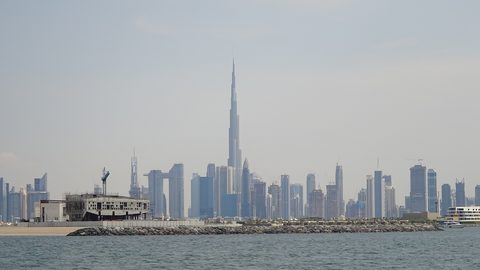
 Dubai
Where to stay in Dubai: compare Marina, Downtown, Palm Jumeirah, and Deira on beach access, metro links, and what the June-to-September heat really costs you.
Dubai
Where to stay in Dubai: compare Marina, Downtown, Palm Jumeirah, and Deira on beach access, metro links, and what the June-to-September heat really costs you.
-
 Abu Dhabi
 as a day trip from Dubai or an overnight stay: compare Sheikh Zayed Mosque logistics, hotel prices, and what the quieter capital offers beyond the Corniche.
Abu Dhabi
Abu Dhabi as a day trip from Dubai or an overnight stay: compare Sheikh Zayed Mosque logistics, hotel prices, and what the quieter capital offers beyond the Corniche.
-
 UAE Costs at the Bottom and the Top from Dorm Bed to Palace Suite
UAE costs span a Deira dorm bed and a Palm palace suite. Here is the real daily spend at the bottom and the top, with every line item counted in Dirhams.
UAE Costs at the Bottom and the Top from Dorm Bed to Palace Suite
UAE costs span a Deira dorm bed and a Palm palace suite. Here is the real daily spend at the bottom and the top, with every line item counted in Dirhams.
-
 Dubai vs Abu Dhabi Which UAE City Fits Your Trip
Dubai or Abu Dhabi for your UAE trip? One is spectacle and nightlife, the other culture and calm. Most travellers should do both, but your base depends on what kind of trip you want.
Dubai vs Abu Dhabi Which UAE City Fits Your Trip
Dubai or Abu Dhabi for your UAE trip? One is spectacle and nightlife, the other culture and calm. Most travellers should do both, but your base depends on what kind of trip you want.
-
 Getting to Indonesia's Eastern Islands Without Routing Through Bali
Skip the Bali default. Here's how to reach Flores, Komodo, and Raja Ampat through Makassar, Lombok, and Surabaya with real costs.
Getting to Indonesia's Eastern Islands Without Routing Through Bali
Skip the Bali default. Here's how to reach Flores, Komodo, and Raja Ampat through Makassar, Lombok, and Surabaya with real costs.
-
 Bali, Lombok, or Nusa Penida — Ferry Routes, Real Costs, and How to Decide
Compare ferry routes, crossing times, and real ticket prices for Bali, Lombok, and Nusa Penida — then match the right island to your trip length and goals.
Bali, Lombok, or Nusa Penida — Ferry Routes, Real Costs, and How to Decide
Compare ferry routes, crossing times, and real ticket prices for Bali, Lombok, and Nusa Penida — then match the right island to your trip length and goals.