Month by Month Guide to the Best Time to Visit Indonesia
Month-by-month breakdown of Indonesia's seasons, crowds, and transport realities across Bali, Lombok, and the Gilis—so you pick the right window.
.png)
The Wrong Question About Indonesia Weather
Most travellers ask whether it is the dry season or the wet season. That is the wrong filter. The real question is which month matches your tolerance for crowds, rain, and transport chaos across Bali, Lombok, and the Gilis. There is never a single best month to visit Indonesia because the trade-offs shift every month. The two-season reality is a starting point, not a decision.
Dry months run April through October. Wet months run November through March. But a dry month like August packs its own problems: peak crowds, accommodation price surges up to 100%, and fast boat cancellations from strong trade winds. A wet month like February delivers empty beaches, hotel discounts of 30 to 50%, and daily downpours that rarely ruin a morning. The friction points are what matter, not the calendar colour.
Work through each month by the three things that will actually affect your trip: weather, crowd density, and transport reliability. You will know exactly which month your trip style can handle.
Indonesia Dry Season Months: April to October
April to October is the dry period across Bali, Lombok, and the Gilis. Sea conditions are calm to moderate, humidity in Bali sits at 60 to 75%, and average coastal temperatures range 27 to 31 °C. This window offers the best visibility for diving around the Gilis and Nusa Penida, and the lowest risk of fast boat cancellations during the official months. But dry does not mean empty.
What Goes Wrong In The Dry Months
Jakarta air pollution reaches hazardous levels from June through September. The same stable air that keeps rain away traps particulate matter. Travellers with respiratory conditions should budget for N95 masks and limit outdoor time during that window. Lombok and the Gilis are not affected by Jakarta pollution, but the July to August trade winds strengthen the swell on southern coasts. Surfers get peak conditions; fast boat passengers get a rougher ride and a higher chance of last-minute cancellation.
Mount Rinjani trekking runs April through November. The trail closes January to March because of landslide risk. Book permits and guides several months ahead for July or August slots.
When to Visit Bali, Lombok and the Gilis
The three destinations share a climate but not a crowd calendar. Bali high months are July, August, and December to early January, with August the single peak occupancy month. Lombok high months are July and August only. The Gili Islands high months mirror Bali: July, August, and December to early January.
January And February: Best For Low-Season Bargains
After the New Year rush clears, January and February are among the lowest occupancy months. Hotel discounts run 30 to 50% off high-season rates. Wet-season rainfall comes as short heavy downpours, mostly afternoon to evening, rarely full-day rain. Fast boat swell is a real risk: sea state from November to March is moderate to rough, with cancellations possible. Book a morning departure and confirm the operator has a weather cancellation policy. Lombok and the Gilis feel emptier than Bali, but cash is king here and ATMs on the Gilis run dry on weekends. Carry enough rupiah.
March: Nyepi Shutdown And Ramadan Preparation
Nyepi, the Balinese Day of Silence, grounds the entire island for 24 hours from 06:00 to 06:00 the next day. Nyepi 2027 is 22 March; Nyepi 2028 is 11 March. The airport at DPS closes completely. No outdoor activity, no transport, no lights, no entertainment. Lombok and the Gilis are not affected, so you can base yourself there and skip the shutdown. The evening before Nyepi features the Ogoh Ogoh parade, which is worth attending. If you are in Bali during Nyepi, your hotel will enforce a silent day. Plan for zero movement.
Ramadan 2027 starts approximately 8 February, and Idul Fitri falls around 10 March. The Idul Fitri domestic travel surge is the largest migration on the planet. Flights and ferries book out weeks ahead, prices spike, and many businesses close for a week. Lombok sees reduced restaurant hours during daylight, some warungs close, and alcohol sales are restricted. Bali and the Gilis see minimal impact outside Muslim-majority areas, but transport between the destinations becomes a bottleneck. Book everything before Ramadan starts or wait until after Idul Fitri ends.
April And May: The Sweet Spot Window
April is shoulder period. Crowds are thin, sea state is calming, and hotel prices sit 10 to 20% above low levels. Diving visibility around the Gilis peaks April to June. Manta ray season at Nusa Penida runs March to May. This is the month for travellers who want reliable weather without the July price premium. The risk is Idul Fitri if it falls in April (dates shift annually). Check the year you are travelling and confirm booking windows.
May is the last month before the Australian and European school holidays hit. Crowds are still manageable. Shoulder pricing holds. Sea conditions are calm. The downside is that savvy travellers know this, so decent accommodation fills by March for May travel. Book early.
June: The Transition To Peak
June is shoulder period for all three destinations, but the top end of it. Hotel prices still sit 10 to 20% above low levels. Crowds increase through the month as European school holidays begin. Sea state remains calm to moderate. This is the last month where you can find a semi-empty beach club seat in Canggu. Jakarta air pollution starts building; avoid a long layover here if you have respiratory issues.
July And August: Peak Crowds, Peak Winds, Peak Prices
July and August are the busiest months across the country. European and Australian school holidays align with the dry period, pushing accommodation prices up 50 to 100% versus low months. Bali peak occupancy happens in August. Every fast boat to the Gilis and Lombok runs full. The trade winds strengthen the swell on south coasts, making July to August the peak surf window. For passengers, it is also the peak cancellations window: strong winds and rough seas cause routine delays and cancellations. If you book a fast boat in these months, buy travel insurance that covers trip interruption and have a backup plan to fly from DPS to LOP (30 to 40 minutes).
Domestic migration also spikes. Indonesians travel during this period, adding pressure to domestic flights and ferry terminals. The Kuta to Canggu corridor becomes a 90-minute crawl for a 10 km trip after 4 pm. If your tolerance for gridlock is low, skip July and August or base yourself on Lombok or the Gilis where traffic is lighter.
September: The Crowd Clear-Out
September is shoulder period again. Crowds thin as school holidays end. Sea state remains calm. Diving visibility is still good, and mola mola season at Nusa Penida runs July through October, peaking August to September. Hotel prices drop back to 10 to 20% above low levels. This month delivers the best weather from the dry period without the July-August chaos. The warning: book accommodation early for early September, because the tail end of European holidays still applies.
October And November: Wet Season Arrives Gradually
October is low period in Bali, Lombok, and the Gilis. Hotel discounts run 30 to 50% off high levels. Sea state is still calm to moderate at the start, but the wet phase begins in November. Diving visibility around the Gilis lasts until November. Manta ray season at Nusa Penida also runs to November. This is the month for travellers who want empty beaches, can handle a daily downpour that clears quickly, and value a cheap room over guaranteed sun. Jakarta air pollution drops as rain returns.
November marks the start of the wet phase proper. Humidity in Bali climbs to 75 to 90%. Sea state turns moderate to rough. Fast boat cancellations become possible. The trade-off is that you will have entire beaches to yourself on Lombok and the Gilis. Cash planning matters more here because ATMs on the Gilis run dry on weekends and the next ATM run may not come until the next boat from Bali.
December: Wet Season Meets Peak Season
December is a paradox. It is the wet phase, so sea state is rough and daily downpours are normal. It is also high period because of European and Australian summer holidays, mid-December to early January. The worst of both worlds. Accommodation prices surge. Fast boats to the Gilis and Lombok face the highest cancellation risk of the year. The single smart move is to avoid the Gilis entirely in December and base yourself on Bali or Lombok mainland, where flight backup options exist. If you must go to the Gilis, fly to LOP and take a fast boat from Lombok (1.5 to 2.5 hours depending on departure point). Do not cross from Bali to the Gilis in December on a small operator.
Nyepi Travel Restrictions: What Shuts and What Does Not
Nyepi is the only day in the country where the entire island of Bali stops. The airport at DPS closes for 24 hours. No flights arrive or depart. No cars or motorbikes operate. No outdoor activity is permitted. Beaches are empty. Hotels enforce a silent day: guests cannot leave their property. Restaurants and shops are closed. The date shifts each year, so confirm the exact date for your travel year. Nyepi 2027 is 22 March. Nyepi 2028 is 11 March.
Lombok and the Gilis are not affected. You can fly in and out of LOP normally. Fast boats between Bali and Lombok or the Gilis will not run because they originate from Bali, so you cannot depart Bali during the shutdown. If you are on a Gili island during Nyepi, your day proceeds as normal. The only impact is that no new passengers arrive from Bali that day.
Plan your arrival around it. Arrive in Bali two days before Nyepi to experience the Ogoh Ogoh parade the evening before, then stay inside for the silent day. Or arrive after Nyepi ends at 06:00 the following morning. Anyone who books a flight arriving during the shutdown window will be rebooked automatically, but you lose a day of your trip.
Idul Fitri Travel Warning: Why You Should Avoid it
Idul Fitri, the holiday marking the end of Ramadan, creates the largest domestic migration in the world. The entire country moves. Flights, ferries, buses, and trains sell out weeks ahead. Prices for flights to and from Jakarta, Lombok, and Bali can triple. Many businesses close for a week as their staff travel home. Restaurants in Muslim-majority areas like Lombok operate reduced hours during Ramadan and close entirely for the Idul Fitri holiday.
Ramadan 2027 starts approximately 8 February, and Idul Fitri falls around 10 March. For 2028, Ramadan starts approximately 28 January, and Idul Fitri falls in late February or early March. Because the dates shift about 11 days earlier each year on the Gregorian calendar, you must check the exact date for your travel year. If your trip overlaps with Idul Fitri, change your dates. The friction is not cancellable: you will spend hours in port waiting rooms, pay inflated walk-up rates, and find half the restaurants you wanted to visit shuttered.
Bali and the Gilis see minimal impact because their economies are tourist-driven. But transport to and from those destinations runs through hubs that are gridlocked. A flight from Bali to Jakarta costs triple. A fast boat from Bali to the Gilis may run, but the operator may have reduced staff. The safest window is two weeks after Idul Fitri ends, when the country has settled back into place.
The One Number: Peaks, Shoulders and Lows
A single table shows the trade-off at a glance. Use it to match your priorities.

| Month | Crowd Density | Sea State | Price Level vs Low Season | Key Risk |
|---|---|---|---|---|
| January | Low | Rough | Low season: 30-50% discount | Fast boat cancellations |
| February | Low | Rough | Low season: 30-50% discount | ATMs on Gilis run dry |
| March | Low to moderate | Moderate to rough | Low season | Nyepi shutdown; Idul Fitri surge |
| April | Low | Calming | Shoulder: 10-20% premium | Idul Fitri if it falls here |
| May | Low to moderate | Calm | Shoulder: 10-20% premium | Book accommodation early |
| June | Moderate to high | Calm | Shoulder: 10-20% premium | Building crowds |
| July | Very high | Rough (trade winds) | Peak: 50-100% premium | Fast boat cancellations; traffic |
| August | Extreme | Rough (trade winds) | Peak: 50-100% premium | Fast boat cancellations; Jakarta pollution |
| September | Moderate | Calm | Shoulder: 10-20% premium | Early month still has European holidays |
| October | Low | Calm | Low season: 30-50% discount | Wet season begins November |
| November | Low | Moderate to rough | Low season: 30-50% discount | Fast boat cancellations possible |
| December | Very high | Rough | Peak: 50-100% premium | Worst combination of crowds and sea state |
The Practical Friction Points Between Islands
Transit between Bali, Lombok, and the Gilis is the part of the trip that fails most often. A 40 km journey can eat half a day. The tripwire is fast boat reliability. July through August and December through February see routine delays and cancellations from swell. The fix: fly from DPS to LOP in 30 to 40 minutes for about the same cost as a fast boat, and skip the port queue entirely.
- Fast boat from Bali to Gili Islands: 1.5 to 3 hours depending on departure point and sea state. Book a morning departure. Have the operator's WhatsApp number for last-minute updates.
- Fast boat from Bali to Lombok: 1.5 to 2.5 hours. Same advice: morning slot, operator number saved.
- Flight from Bali (DPS) to Lombok (LOP): 30 to 40 minutes. Backup plan if the sea is rough. Book this as insurance if you travel in December or July.
- Cash rule on Lombok and Gilis: ATMs run dry on weekends. Cards are refused at most guesthouses. Withdraw at DPS or LOP airport before you cross.
- App-based driver ban: Gojek and Grab cannot pick up at many temple entrances and some beaches. Walk to a main road or pay a local driver 2 to 3 times the app price.
If you book three islands in seven days, you will spend half your trip in transit. Ten days is the absolute minimum. More is better.
Who Should Come and Who Should Skip
Indonesia is a strong match for first-time Southeast Asia visitors who want infrastructure with their adventure, surfers chasing breaks from beginner to reef, digital nomads who need reliable Wi-Fi and a like-minded community, honeymooners wanting dramatic landscapes without total isolation, and party travellers who treat sunset as a starting gun. The country delivers sensory overload and a well-oiled hospitality machine across Bali, quieter simplicity on Lombok, and car-free island life on the Gilis.
It is not for travellers seeking untouched culture or solitude. Bali's southern core is a megaphone of development, and even Lombok's south coast is being sold as the next Bali. Anyone who needs crisp efficiency or hates haggling should skip it. The transaction cost in time and mental energy is real. The single thing that most often goes wrong is underestimating inter-island transit time, which burns two full days in a short trip and leaves only a rushed sampler.
Read next
-
 Jakarta
 is the airport most travellers connect through and few explore. What a day in the capital costs in rupiah and minutes, and when the air quality says stay inside.
Jakarta
Jakarta is the airport most travellers connect through and few explore. What a day in the capital costs in rupiah and minutes, and when the air quality says stay inside.
-
 Bali
Match a Bali coast to your trip by measuring transfer times from the airport, ride-hailing dead zones, and what each stretch of sand actually delivers.
Bali
Match a Bali coast to your trip by measuring transfer times from the airport, ride-hailing dead zones, and what each stretch of sand actually delivers.
-
 Gili Islands vs Nusa Penida and Lembongan Which to Choose
-
 Bali vs Lombok Which Indonesian Island Fits Your Trip
Bali vs Lombok: a straight comparison of infrastructure, surf, costs, and friction so you pick the Indonesian island that actually fits your trip.
Bali vs Lombok Which Indonesian Island Fits Your Trip
Bali vs Lombok: a straight comparison of infrastructure, surf, costs, and friction so you pick the Indonesian island that actually fits your trip.
-
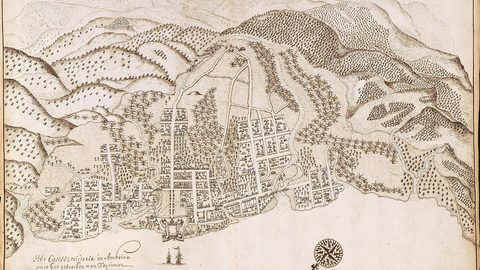 Indonesia Itineraries for 10 Days Two Weeks and Three Weeks
Realistic Indonesia itineraries for 10 days, two weeks, and three weeks that account for inter-island transit times, not just dot-to-dot distances.
Indonesia Itineraries for 10 Days Two Weeks and Three Weeks
Realistic Indonesia itineraries for 10 days, two weeks, and three weeks that account for inter-island transit times, not just dot-to-dot distances.
-
 Fast Boats Between Bali Lombok and the Gilis Times Cost and the Sea
Fast boats connect Bali, Lombok and the Gilis in 90 minutes on a calm day. Ticket prices in rupiah, departure ports, and the months when swell cancels everything.
Fast Boats Between Bali Lombok and the Gilis Times Cost and the Sea
Fast boats connect Bali, Lombok and the Gilis in 90 minutes on a calm day. Ticket prices in rupiah, departure ports, and the months when swell cancels everything.
-
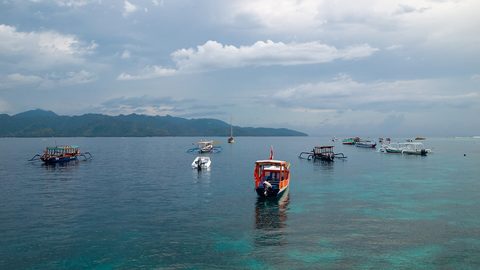 Bali Lombok the Gilis or Java a Straight Answer on Which Island
Bali has the infrastructure, Lombok the raw coast, the Gilis the parties or the silence, and Java the chaos. Which Indonesian island actually fits your trip.
Bali Lombok the Gilis or Java a Straight Answer on Which Island
Bali has the infrastructure, Lombok the raw coast, the Gilis the parties or the silence, and Java the chaos. Which Indonesian island actually fits your trip.
-
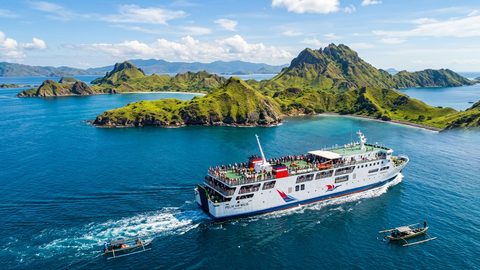 Getting to Indonesia's Eastern Islands Without Routing Through Bali
Skip the Bali default. Here's how to reach Flores, Komodo, and Raja Ampat through Makassar, Lombok, and Surabaya with real costs.
Getting to Indonesia's Eastern Islands Without Routing Through Bali
Skip the Bali default. Here's how to reach Flores, Komodo, and Raja Ampat through Makassar, Lombok, and Surabaya with real costs.
-
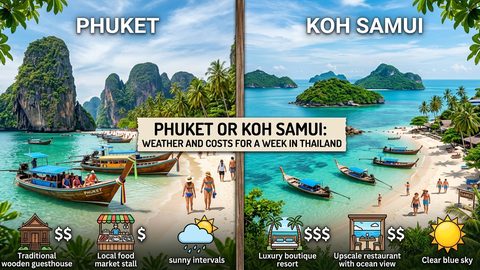 Phuket or Koh Samui for a Week in Thailand When Weather and Costs Matter
Phuket or Koh Samui for one week? Compare seasonal weather, flights, ferries, transport costs, and realistic daily budgets before choosing your base.
Phuket or Koh Samui for a Week in Thailand When Weather and Costs Matter
Phuket or Koh Samui for one week? Compare seasonal weather, flights, ferries, transport costs, and realistic daily budgets before choosing your base.