A Month in Southern Thailand With Three Island Bases
A practical guide to A Month in Southern Thailand With Three Island Bases.

Why Three Island Bases Work for a Month in Southern Thailand
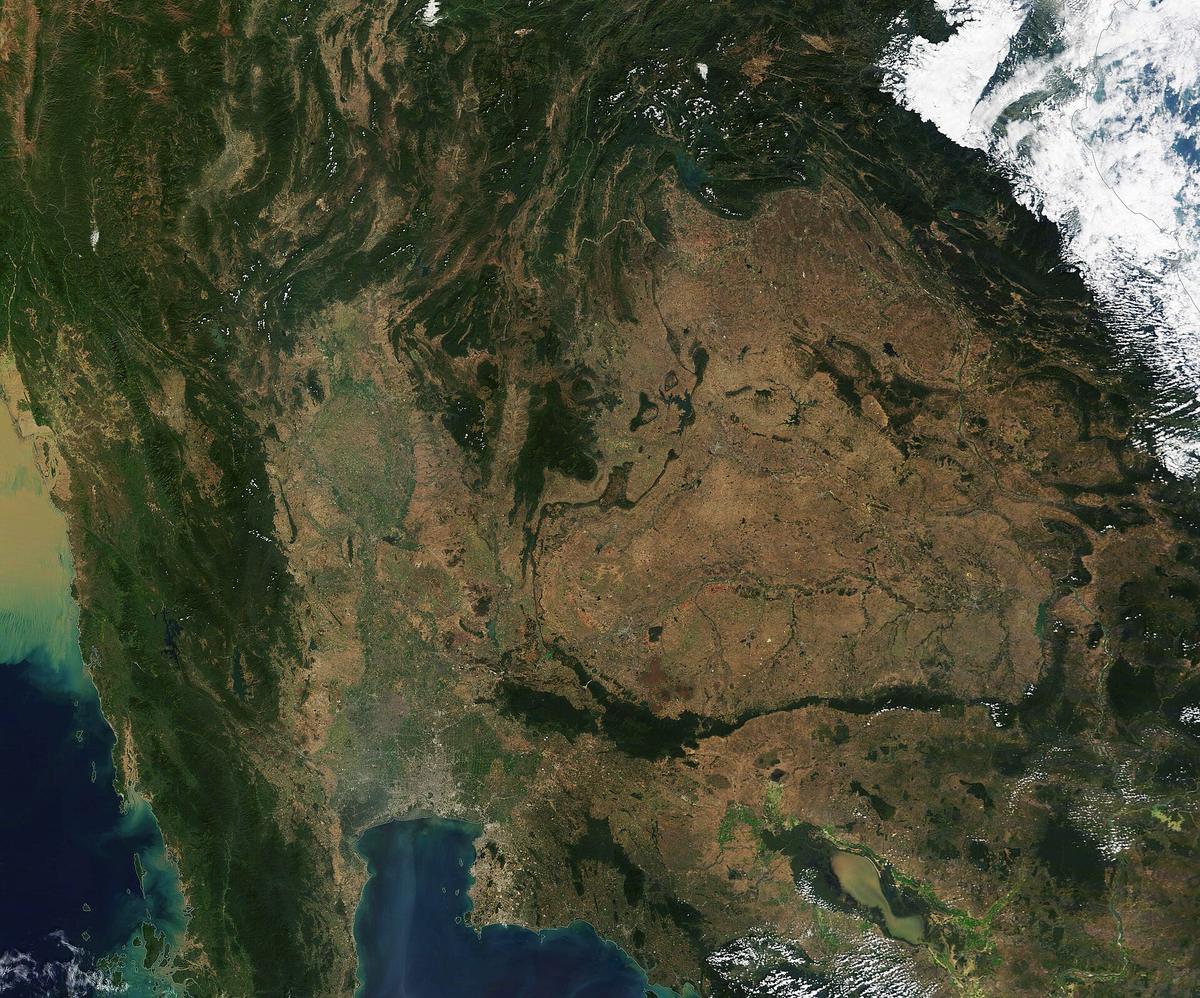
A month in southern Thailand is long enough to stop rushing. Instead of checking off a list of islands, you can settle into a few well-chosen bases and let the region reveal itself at a slower pace. The practical challenge is that Thailand's two coastlines operate on opposite weather calendars, and the transport links between them are not seamless. The solution is to split your stay across three anchor points, one on the Gulf coast and two along the Andaman side, using each as a home from which to explore nearby islands without constantly repacking.
This approach works because the major airports that serve each coastline give you different arrival options. Koh Samui Airport on the Gulf side is a compact, privately owned facility built by Bangkok Airways, with a single runway that limits the aircraft types and routes it can handle. Phuket International Airport on the Andaman side is Thailand's third-largest airport, with non-stop flights to approximately 72 airports across 37 countries. Krabi Airport sits between the two in scale, offering a medium-sized international gateway with a growing list of seasonal European connections. Understanding these entry points is the first step to planning a route that feels unhurried rather than fragmented.
The Gulf Coast Base and Its Weather Window
The Tourism Authority of Thailand identifies April through November as the best period for the islands of Surat Thani province, a group that includes Koh Samui, Koh Phangan, and Koh Tao. This is the reverse of the Andaman high season, which means a month-long trip that spans both coastlines needs careful sequencing. Starting on the Gulf side when conditions are favourable lets you enjoy these islands before the rains intensify elsewhere.
Koh Samui makes a logical first base because its airport, while limited in reach, is the hub for a catamaran network that ties the three main Gulf islands together. Bangkok Airways operates the overwhelming majority of flights into Koh Samui, connecting it to both Bangkok airports, Phuket, Krabi, Chiang Mai, Pattaya U-Tapao, Singapore, and Hong Kong. There are no direct flights from Europe, Australia, China, India, or the Middle East, so anyone arriving from those regions will connect through Bangkok or Singapore. This extra step can feel like a friction point, but it also filters the pace of arrival in a way that suits a slow-travel mindset.
Once on Koh Samui, the neighbouring islands are within reach on a single ferry operator's catamaran network. The crossing to Koh Phangan is short, and continuing to Koh Tao takes longer but remains a straightforward day move. Fares and schedules are set by the operator and change seasonally, so confirming current times and prices directly with the company before travel is essential.
A Day Trip That Rewards Early Planning
About twenty kilometres west of Koh Samui lies Mu Ko Ang Thong National Park, an archipelago of roughly forty islands spread across just over a hundred square kilometres. The park is a protected marine area under the Department of National Parks, Wildlife and Plant Conservation, and visiting it requires a bit of forward planning that fits neatly into a slow itinerary.
The park charges an entrance fee for foreign visitors, with a reduced rate for children aged three to fourteen, payable in cash at the park itself. More important for scheduling is the annual closure period, typically from the start of November to mid-December, when the park shuts down for monsoon-season ecological recovery. The exact dates are set by the national park authority and can shift, so anyone planning a trip that falls near that window should verify the current closure dates before booking a tour. Missing this detail could mean arriving during the one stretch of the year when the islands are off-limits.
Crossing to the Andaman Side
Moving from the Gulf coast to the Andaman coast is the logistical hinge of the trip. There is no direct ferry between the two sides, so the transfer typically involves a flight. Phuket International Airport is the heavyweight option, with direct services from Europe, the Middle East, India, China, East Asia, Southeast Asia, Central Asia, and Australia. This breadth of connections makes Phuket the most flexible entry point for the second half of the journey, but it also means a busier arrival experience than Koh Samui.
Krabi Airport offers a smaller-scale alternative. It handles four domestic routes and fifteen international routes, and during the winter peak season it receives direct European flights from carriers including TUI fly Nordic, LOT Polish Airlines, Finnair, and Scandinavian Airlines. Seasonal services from Helsinki, Copenhagen, Prague, Warsaw, Abu Dhabi, and Dubai have also operated. The choice between flying into Phuket or Krabi depends partly on where you want your second base to be and partly on which airport has a convenient connection from Koh Samui on your travel date. Both airports follow IATA summer and winter scheduling seasons, so routes and frequencies shift between late March and late October. Checking with the airline before booking is the only way to confirm what is actually operating.
The Phi Phi and Krabi Anchor
If Phuket is your arrival airport, the ferry to Koh Phi Phi Don runs from Rassada Pier to Tonsai Pier. The direct crossing takes under two hours, but frequency varies sharply with the seasons. During the high season from November to April, multiple sailings depart daily. From May to October, the monsoon reduces the schedule to a single daily departure. This seasonal swing is one of the most consequential details for a slow-travel itinerary, because it determines whether you can treat the crossing as a flexible hop or a once-a-day commitment that shapes your entire travel day.
Krabi works as a second Andaman base whether you arrive there directly by air or reach it from Phuket or Phi Phi. From Krabi, the route south to Koh Lanta Yai is a land-and-sea journey that has become easier since the Siri Lanta Bridge opened in 2016, linking Koh Lanta Noi to Koh Lanta Yai. The current route involves a road transfer to Ban Hua Hin pier, a car-ferry crossing to Koh Lanta Noi, and then the bridge to the main island. A mainland-to-Lanta Noi bridge is under construction with an expected opening in 2029, which will eventually remove the ferry step. For now, the journey is a mix of paved road and short ferry crossing that delivers you to an island over thirty kilometres long and nine kilometres wide, with a north-south road running parallel to the west coast and giving access to nine beaches and the Mu Ko Lanta National Park headquarters at the southern tip.
Entry Requirements Worth Checking Twice
Thailand's entry rules have seen notable revisions. As of September 2026, nationals of sixty countries and territories may enter under a thirty-day visa exemption scheme for tourism purposes, replacing the previous sixty-day arrangement. Separately, since May 2025, all foreign nationals arriving by air, land, or sea must complete the Thailand Digital Arrival Card online within three days before arrival, free of charge, through the official Immigration Bureau website. Visa exemption country lists, permitted length of stay, and entry requirements are set by the Thai Ministry of Foreign Affairs and the Immigration Bureau and are subject to revision. Checking the current rules before departure is not optional, it is the difference between a smooth arrival and being turned away at the airport.
Sequencing a Month Without Rushing
A workable sequence starts on Koh Samui during the Gulf coast's favourable window, using it as a base for Koh Phangan, Koh Tao, and a day trip to Mu Ko Ang Thong. From there, fly to either Phuket or Krabi, depending on which airport offers a convenient connection on your date. If you choose Phuket, spend time on the island or head straight to Koh Phi Phi, then continue to Krabi and onward to Koh Lanta. If you fly into Krabi, you can reverse the Andaman order, exploring Koh Lanta first before moving up to Krabi and Phi Phi.
The Andaman coast receives heavy monsoon rains from May through October, so the ideal month-long window that spans both coastlines is narrower than it first appears. Starting on the Gulf side in April and moving to the Andaman side in late April or early May can work, as can a trip that begins on Koh Samui in July or August and shifts to the Andaman side once the rains ease in November. There is no single perfect month, only a set of trade-offs between weather, ferry frequency, and flight availability that each traveller must weigh against their own priorities.
Sources and verification
- samui69.com — Research source checked for this guide
- flightconnections.com — Research source checked for this guide
- flightconnections.com — Research source checked for this guide
- nationthailand.com — Research source checked for this guide
- tourismthailand.org — Research source checked for this guide
- visit-thailand.org — Research source checked for this guide
Read next
-

 Phuket
Pick a Phuket beach by airport transfer time, noise level after dark, and whether you want nightlife, family shallows, or a surf break.
-
 Best Time to Visit Thailand and Bali Two Monsoons Three Coasts
Two monsoon systems, three coasts, one calendar: when to visit Thailand and Bali so you chase sun not storms, with month-by-month weather and pricing.
-
 Thailand Island Hopping Ferries How the Islands Actually Connect
Ferry connections across Thailand's islands and Bali to Nusa Penida: real door-to-door transfer times, speedboat safety, and why transfer days eat a full day.
-
 Thailand and Bali Itineraries for Two Weeks Three Weeks and What Fits
Realistic Thailand and Bali itineraries for 10 days, two weeks, and three weeks that account for ferry transfer days eating a full day each.
-
 Thailand and Bali Budget Islands What a Week Actually Costs Island by Island
Island-by-island weekly budgets for Thailand and Bali: real nightly rates, street food prices, scooter rental, and the hidden costs that blow the plan.
-
 Scooters Boats and the Sea in Thailand and Bali What Actually Goes Wrong
Scooter rental scams, ferry safety in rough seas, and Nusa Penida road risks: what actually goes wrong in Thailand and Bali and how to avoid it.
-
 Koh Samui vs Koh Phangan vs Koh Tao Which Gulf Island to Choose
Compare Koh Samui, Koh Phangan, and Koh Tao on beaches, nightlife, diving, and ferry logistics to choose the right Gulf of Thailand island for your trip.
-
 Phuket or Koh Samui for a Week in Thailand When Weather and Costs Matter
Phuket or Koh Samui for one week? Compare seasonal weather, flights, ferries, transport costs, and realistic daily budgets before choosing your base.
-
 When to Visit Thailand, Bali, and China on an Extended Asia Itinerary
How to sync Thailand, Bali, and China into one itinerary, plus which months make all three destinations work at the same time.