Best Time to Visit Thailand and Bali Across Two Monsoons and Three Coasts
Two monsoon systems, three coasts, one calendar: when to visit Thailand and Bali so you chase sun not storms, with month-by-month weather and pricing.
.jpg)
The Short Answer
You can find good weather somewhere in Thailand or Bali almost every month of the year, because two separate monsoon systems hit three different coasts on different schedules. The best time to visit depends entirely on which coast you pick. July is a washout on the Andaman Coast but fine on the Gulf Coast and peak dry season in Bali. January is dry on both Thai coasts but wet in Bali. The trick is knowing which region works when, and timing your itinerary to chase the dry window.
Thailand Monsoon Season: Two Coasts, Two Calendars
Andaman Coast Wet Season
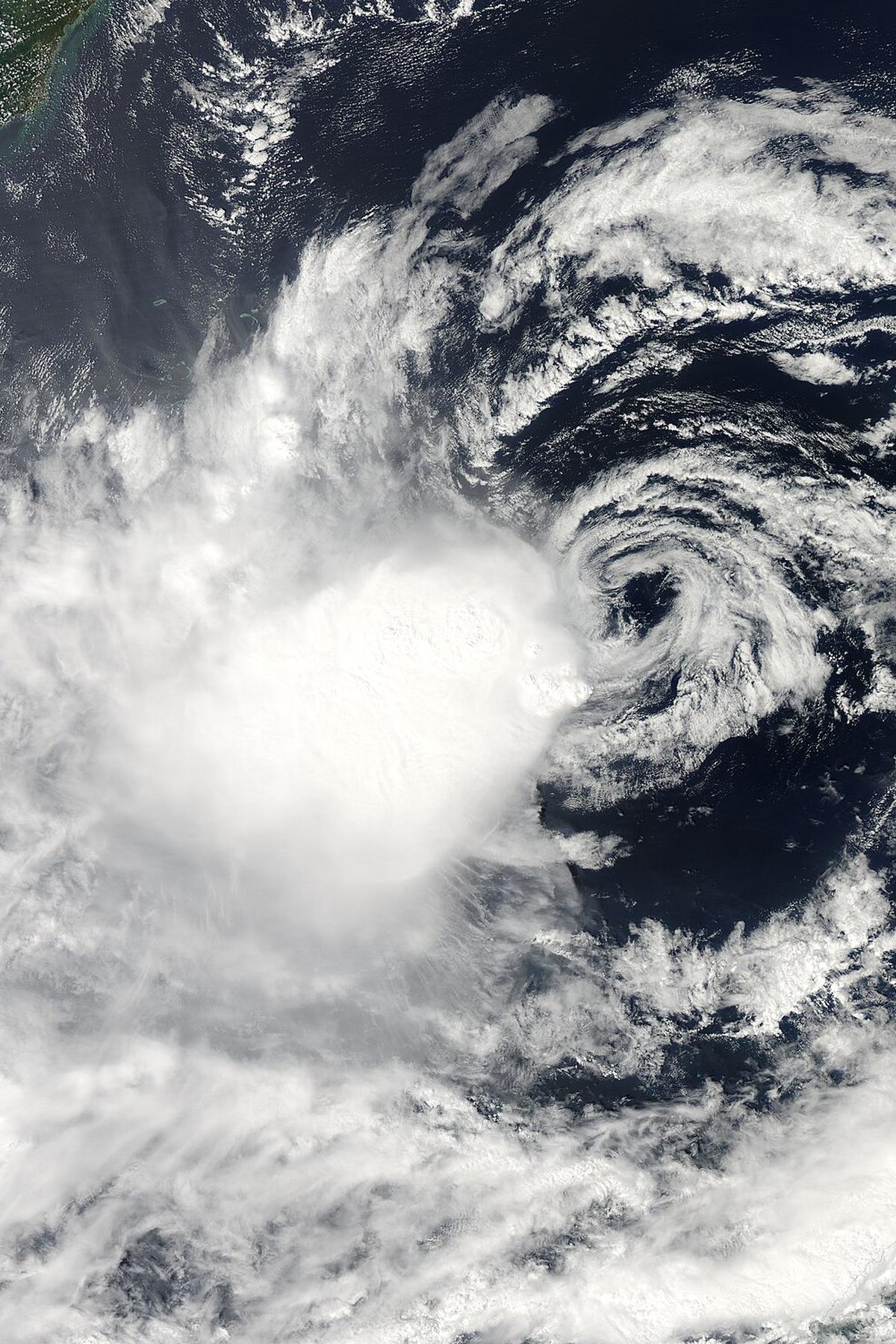
Thailand does not have one monsoon season. It has two. The Andaman Coast (Phuket, Krabi, Ao Nang, Railay, Koh Phi Phi) runs wet from May through October. The Gulf Coast (Koh Samui, Koh Phangan, Koh Tao) runs wet from October through December. These are inverted, which means when one coast is getting battered the other is often glassy.
The Andaman wet season brings short afternoon downpours four to six days a week in the wettest stretch, with the heaviest rainfall volume arriving in the ninth and tenth months of the year. Swells run 1.5 to 3.0 metres from May through October. Ferry cancellations hit exposed routes like Phi Phi to Phuket and Railay to Koh Lanta. Dive visibility drops to 5 to 15 metres on the west coast sites.
Gulf Coast Wet Season
The Gulf wet season is shorter and sharper. The eleventh month is the wettest, with rain five to seven days a week and swells of 1.0 to 2.5 metres. Koh Tao to Surat Thani ferry disruptions happen two to four days a month during this period. From January through September the Gulf is dry, with sea states under 0.5 metres from February through May and dive visibility peaking at 15 to 30 metres between March and May.
Bali Rainy Season: a Simpler Clock
Bali runs one monsoon cycle. The wet season runs November through March, with January the wettest month. Expect afternoon storms one to two hours long, 15 to 22 rain days per month from December through February. Humidity hits 80 to 90 percent. Swells on the south west beaches (Seminyak, Canggu, Uluwatu) run 1.0 to 2.0 metres with flagged rip currents.
The dry season runs April through October. Humidity drops to 60 to 75 percent. Swells on south west beaches fall below 0.5 metres. Snorkelling visibility peaks at 15 to 30 metres. The best dive visibility runs 20 to 40 metres from July through September. Mola mola season peaks August through September around Nusa Penida. Manta ray season runs April through June.
Andaman Coast Weather by Month
Dry Season: November to April
November through April is dry season on the Andaman Coast. December through March offers glassy conditions with swells under 1.0 metre and dive visibility of 20 to 30 metres, peaking in February and March. Sea temperature stays 27 to 30 degrees Celsius year round.
Wet Season: May to October
May through October is wet season. The ninth and tenth months are the wettest. Swells run 1.5 to 3.0 metres. Ferry schedules are reduced and cancellations are common on the Phi Phi to Phuket and Railay to Koh Lanta routes. Dive visibility drops to 5 to 15 metres.
Shoulder Windows
The first two weeks of November and late March through April are shoulder months where accommodation rates drop well below peak but the weather still holds.
Gulf Coast Best Months
Dry Season: January to September
January through September is dry season on the Gulf Coast. February through May is the calmest period with swells under 0.5 metres. March through May offers peak dive visibility of 15 to 30 metres around Koh Tao. Sea temperature runs 28 to 31 degrees Celsius year round.
Wet Season and Shoulder Months
October through December is wet season. The eleventh month is the wettest. Koh Tao to Surat Thani ferry cancellations occur two to four days per month. Late June and September are shoulder months with rates well below peak and weather that is still reliable.
The Gulf Coast has two peak tourist seasons: December to January and July to August. These coincide with European and Australian school holidays, driving up accommodation prices and filling ferries. The Full Moon Party on Koh Phangan can triple accommodation prices and book out the island entirely on those dates.
Bali Dry Season: April to October
Shoulder Months and Peak Season
Bali dry season runs April through October. April is the only month where both Thai coasts and Bali are simultaneously dry. April to May and September to October are the shoulder months with rates well below peak and reliable weather.
Peak season hits twice: mid December to January and July to August, coinciding with European and Australian school holidays. Christmas to New Year brings a steep premium above standard high season rates with minimum stays of 5 to 10 nights common.
Key Dates That Disrupt Travel
Nyepi, the Day of Silence, falls on 19 March 2026. The entire island shuts for 24 hours from 06:00: no flights, no outdoor activity, no transport. Eid al Fitr around 20 to 22 March 2026 triggers a domestic tourism surge with a sharp accommodation price spike.
Songkran, the Thai New Year, runs 13 to 15 April. It affects both Thai coasts with heavy domestic travel, peak accommodation pricing, and water throwing in tourist areas. If you dislike being soaked non stop, avoid these dates.
Month by Month: Which Coast Works When
January to March
Both Thai coasts are dry. Bali is wet. This is peak season for Thailand. Rates are at their highest and ferries are full. Book accommodation at least three months ahead for the Christmas to New Year window that runs 20 December to 5 January.
April
The single month when all three coasts are dry. Andaman Coast shoulder season begins late March. Bali shoulder season starts April. Songkran falls 13 to 15 April. Book early if travelling then.
May to October
Andaman Coast is wet. Gulf Coast is dry. Bali is dry. This is the ideal window for a trip that combines the Gulf Coast of Thailand with Bali. July and August are peak season for both the Gulf Coast and Bali, with European school holidays driving crowds and prices.
November
Andaman Coast transitions to dry. Gulf Coast enters its wettest month. Bali is wet. The first two weeks of the eleventh month are a shoulder period on the Andaman Coast with good value. December to February is peak season for Andaman and Gulf Coasts but Bali remains wet until March.


What it Costs When
Accommodation price variation follows the weather. On the Andaman Coast, low season rates from May through October run far below peak. On the Gulf Coast, low season rates from October through November run far below peak. In Bali, low season rates from January through March and October through November run far below peak.
The shoulder months offer the best value. Andaman: first two weeks of November, late March through April. Gulf: late June, September. Bali: April to May, September to October. Weather is reliable but crowds and prices have not yet peaked.
Christmas to New Year is the most expensive window across all three regions. Expect steep premiums above standard high season rates with minimum stays of 5 to 10 nights. Book by September if travelling during this period.
The Logistics That Trip People Up
Ferry Transfers Eat Days
Ferry transfer days consume an entire day. A journey from Phuket to Koh Samui or from Bali to Nusa Penida takes the whole day once you factor in hotel checkout, pier transfers, waiting for late boats, and the final ride to your next bed. Scheduling back to back two night stays across three islands leaves almost no beach time.
Underestimate ferry reliability and you lose days. Andaman ferry service from May through October has reduced schedules. Gulf ferry service from October through December cancels two to four days per month on the Koh Tao to mainland route. Bali ferries to Nusa Penida see swell related delays one to three days per month from November through March.
Getting Around on Land
Ride hailing apps like Grab and Gojek are banned from picking up passengers directly at many ferry piers, resort entrances, and Ubud centre due to local taxi mafias. Walk to a main road or use a marked shelter to get a ride.
Scooter rental scams are common in Phuket and Bali. Photograph every panel and the fuel gauge in the owner's presence at pickup. Owners demand exorbitant cash for pre existing damage upon return. An International Driving Permit endorsed for motorcycles is required to avoid police fines. Rented scooters cost 100 to 250 Thai baht per day in Thailand and 60,000 to 100,000 Indonesian rupiah per day in Bali.
Who This is for and Who Should Skip it
This region works for beach and sunshine seekers who prioritise dramatic coastal scenery. Budget to mid range backpackers and flashpackers comfortable with a well worn trail will find infrastructure and options. Divers and snorkellers get accessible warm water sites with good visibility in season. Digital nomads find robust cafe culture and co working spaces, especially in Canggu and Ubud. Couples and honeymooners willing to pay a premium for secluded luxury enclaves have choices.
Skip this region if you want untouched solitary wilderness or genuine cultural immersion. Most stops are too commercial. Avoid Koh Phi Phi, Ao Nang, and Canggu core if you dislike crowds, traffic, or a party first atmosphere. Anyone with severe mobility issues will struggle with uneven pavements, long tail boat transfers, and lack of accessibility infrastructure.
Minimum 10 days is required. Any less and you burn too much time on ferry transfers and check in logistics to experience more than two stops.
The Single Thing That Most Often Goes Wrong
Travellers book a July trip to Phuket expecting sunshine, arrive in monsoon rain, and spend half their holiday watching ferries get cancelled. The same traveller could have flown into Koh Samui instead and had dry weather, or gone to Bali and had peak dry season. The failure is not checking which coast is wet before booking. Check the calendar for your specific dates, pick the coast that is dry, and build your itinerary around that window. If you are flexible on timing, the shoulder months give you the best weather for the lowest price.
Read next
-

 Phuket
Pick a Phuket beach by airport transfer time, noise level after dark, and whether you want nightlife, family shallows, or a surf break.
Phuket
Pick a Phuket beach by airport transfer time, noise level after dark, and whether you want nightlife, family shallows, or a surf break.
-
 Thailand Island Hopping Ferries How the Islands Actually Connect
Ferry connections across Thailand's islands and Bali to Nusa Penida: real door-to-door transfer times, speedboat safety, and why transfer days eat a full day.
Thailand Island Hopping Ferries How the Islands Actually Connect
Ferry connections across Thailand's islands and Bali to Nusa Penida: real door-to-door transfer times, speedboat safety, and why transfer days eat a full day.
-
 Thailand and Bali Itineraries for Two Weeks Three Weeks and What Fits
Realistic Thailand and Bali itineraries for 10 days, two weeks, and three weeks that account for ferry transfer days eating a full day each.
Thailand and Bali Itineraries for Two Weeks Three Weeks and What Fits
Realistic Thailand and Bali itineraries for 10 days, two weeks, and three weeks that account for ferry transfer days eating a full day each.
-
 Thailand and Bali Budget Islands What a Week Actually Costs Island by Island
Island-by-island weekly budgets for Thailand and Bali: real nightly rates, street food prices, scooter rental, and the hidden costs that blow the plan.
Thailand and Bali Budget Islands What a Week Actually Costs Island by Island
Island-by-island weekly budgets for Thailand and Bali: real nightly rates, street food prices, scooter rental, and the hidden costs that blow the plan.
-
 Scooters Boats and the Sea in Thailand and Bali What Actually Goes Wrong
Scooter rental scams, ferry safety in rough seas, and Nusa Penida road risks: what actually goes wrong in Thailand and Bali and how to avoid it.
Scooters Boats and the Sea in Thailand and Bali What Actually Goes Wrong
Scooter rental scams, ferry safety in rough seas, and Nusa Penida road risks: what actually goes wrong in Thailand and Bali and how to avoid it.
-
 Koh Samui vs Koh Phangan vs Koh Tao Which Gulf Island to Choose
Compare Koh Samui, Koh Phangan, and Koh Tao on beaches, nightlife, diving, and ferry logistics to choose the right Gulf of Thailand island for your trip.
Koh Samui vs Koh Phangan vs Koh Tao Which Gulf Island to Choose
Compare Koh Samui, Koh Phangan, and Koh Tao on beaches, nightlife, diving, and ferry logistics to choose the right Gulf of Thailand island for your trip.
-
 Phuket vs Krabi for a First Andaman Coast Trip Which Base Wins
Phuket or Krabi for your first Andaman Coast trip? Compare airports, beaches, day-trip access to Phi Phi and James Bond Island, and the monsoon window that shuts it all down.
Phuket vs Krabi for a First Andaman Coast Trip Which Base Wins
Phuket or Krabi for your first Andaman Coast trip? Compare airports, beaches, day-trip access to Phi Phi and James Bond Island, and the monsoon window that shuts it all down.
-
 Getting to Indonesia's Eastern Islands Without Routing Through Bali
Skip the Bali default. Here's how to reach Flores, Komodo, and Raja Ampat through Makassar, Lombok, and Surabaya with real costs.
Getting to Indonesia's Eastern Islands Without Routing Through Bali
Skip the Bali default. Here's how to reach Flores, Komodo, and Raja Ampat through Makassar, Lombok, and Surabaya with real costs.
-
 Bali, Lombok, or Nusa Penida — Ferry Routes, Real Costs, and How to Decide
Compare ferry routes, crossing times, and real ticket prices for Bali, Lombok, and Nusa Penida — then match the right island to your trip length and goals.
Bali, Lombok, or Nusa Penida — Ferry Routes, Real Costs, and How to Decide
Compare ferry routes, crossing times, and real ticket prices for Bali, Lombok, and Nusa Penida — then match the right island to your trip length and goals.