Diving Thailand and Bali: Which Sites, Which Season, and Real Costs
Thailand versus Bali for diving: site-by-site comparison by certification level, season, and real costs in THB and IDR, from Koh Tao to Tulamben.

Diving Thailand and Bali: Which Sites, Which Season, and Real Costs
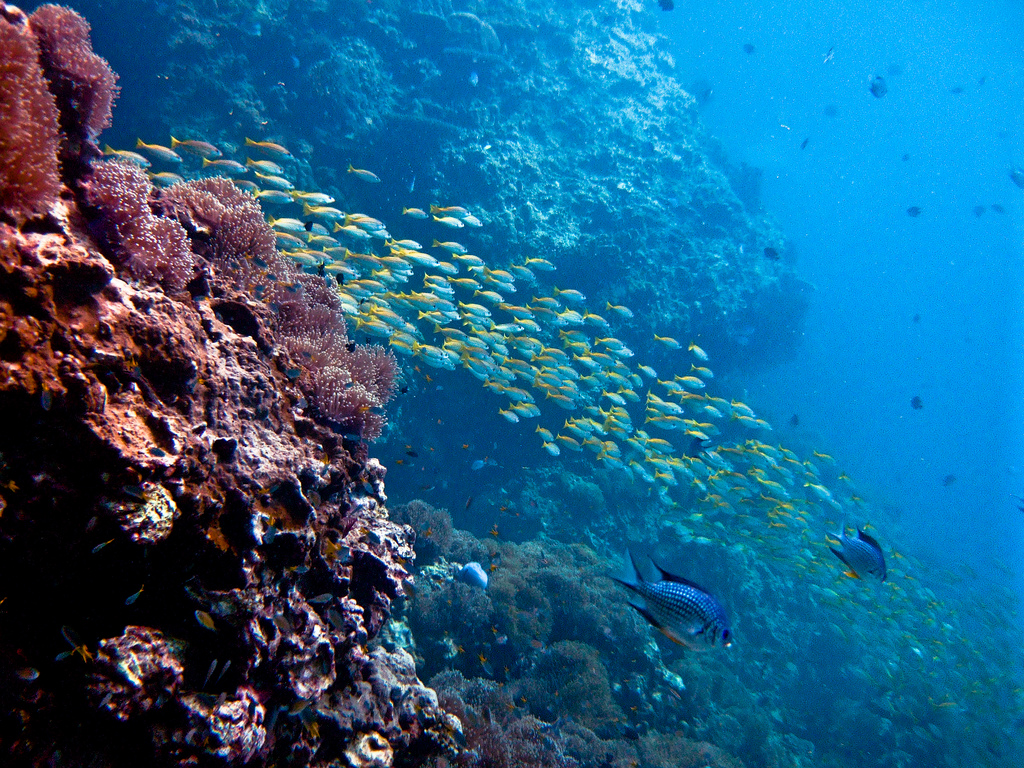
You are sitting on a longtail off Koh Tao, the boat driver pointing at a dark shape below Chumphon Pinnacle, and you realise you have not checked which season you are in. That is the moment you need a plan. Diving Thailand and Bali is not a single trip. It is a choice between cheap training and shallow, forgiving dives on the Gulf Coast versus stronger currents, bigger marine life, and a wreck you walk into from the beach in Bali. The trade off is real. Match your certification level, your season, and your budget against the right coast.
Best Dive Sites Thailand: Where to Go by Certification Level
Gulf Coast Training Grounds
Thailand splits into two distinct diving regions. Picking the wrong one for your skill level wastes both time and money. The Gulf Coast, centred on Koh Tao, is where most people learn. An Open Water course on Koh Tao runs 9,000 to 12,000 THB (2024 rates, check with your chosen school for the current figure published by PADI or SSI). The Advanced Open Water course costs 8,500 to 10,000 THB. The appeal is the conditions: shallow sites, warm water, and shore entry at places like Ao Leuk and Tanote Bay make the first confined water sessions manageable. Fun dives with rental equipment sit at 900 to 1,200 THB per dive. If you own your gear, that drops to 700 to 900 THB.
Andaman Coast For Experienced Divers
For divers with more logged dives, the Andaman Coast offers the sites that make the reputation. The Similan liveaboard season runs from mid October to mid May. The national park closes from mid May to mid October each year (exact dates vary, check the Department of National Parks website). A 4 day, 4 night liveaboard on the Similans costs 25,000 to 55,000 THB. Richelieu Rock, accessed on these trips, peaks for whale shark sightings from February to April. Koh Phi Phi fun dives run 1,200 to 1,800 THB each, with the clearest water from November to April. From May to October, the monsoon closes many Phi Phi sites.
Bali Dive Sites: the Liberty Wreck, Manta Point, and Nusa Penida
Tulamben and the Liberty Wreck
Bali diving is a different proposition. The USAT Liberty Wreck in Tulamben is a shore entry, resting at 5 to 30 metres. You walk in from the black sand beach. The best season runs April to November. The site is accessible year round, but the water clouds up in the rainy months.
Nusa Penida: Mantas and Mola Mola
Manta Point, off Nusa Penida, sits at 8 to 25 metres and also peaks April to November. The mola mola season at Nusa Penida runs July to October, and you need to be ready for cold water: temperatures drop to 17 to 22 degrees Celsius at 20 to 50 metres. A 5 mm wetsuit is not optional. Menjangan Island in Bali Barat National Park offers boat entry dives between 5 and 40 metres, best April to November. The park entry fee was 200,000 IDR on weekdays and 300,000 IDR on weekends in 2024 (check current rates with the park office).
Bali Open Water training costs 3,500,000 to 5,500,000 IDR. A fun dive with rental equipment runs 600,000 to 900,000 IDR per dive. The prices are higher than Koh Tao, but the sites are more advanced. Nusa Penida has strong currents. Do not attempt drift dives there without at least Advanced Open Water or a deep diving specialty. The roads on Nusa Penida are severely potholed and unlit. A medical evacuation to mainland Bali takes hours and requires a boat. Plan accordingly.
Koh Tao Diving Cost: the Full Breakdown for 2024
Koh Tao remains the cheapest entry point for scuba training in Southeast Asia. A 4 day Open Water course costs 9,000 to 12,000 THB. That includes tuition, equipment rental, the PADI or SSI materials, and the qualification fee. The Advanced Open Water course runs 8,500 to 10,000 THB. Fun divers with their own gear pay 700 to 900 THB per dive. With rental equipment, 900 to 1,200 THB per dive.
The best season for clear water on Koh Tao is March to September. From October to December, the monsoon brings reduced clarity. The dive schools cluster along Sairee Beach. Most offer free accommodation or discounted rooms if you sign up for a course. Check whether the price includes accommodation before you book. The schools use sites like Chumphon Pinnacle, Sail Rock, and Koh Nang Yuan. Snorkel spots accessible from shore include Ao Leuk, Tanote Bay, Mango Bay, and Shark Bay. A longtail to Koh Nang Yuan costs 300 THB return. The entry fee is 250 THB.
Liveaboard Thailand: Similan Islands and Richelieu Rock
A liveaboard on the Similan chain is the most efficient way to access Thailand's best diving. The season runs mid October to mid May. The national park closes mid May to mid October. A 4 day, 4 night trip costs 25,000 to 55,000 THB. That covers food, accommodation, tanks, and weights. Equipment rental is usually extra.
Trips run 3 to 7 days. The longer trips reach Richelieu Rock, the premier site for whale sharks. February to April is the peak window. The currents can be strong. This is not a trip for newly qualified divers. Most liveaboards require at least 20 logged dives or Advanced Open Water certification. The boats depart from Phuket or Khao Lak. The Similan group is part of the Andaman Coast, which sees monsoon season from May to October. If you book outside the window, rough seas can cancel ferries and close sites. Check the exact closure dates each year on the Department of National Parks website before you pay a deposit.
Manta Ray Diving Bali: Nusa Penida and the Mola Mola Window
Manta ray diving in Bali centres on Manta Point off Nusa Penida. The site is a cleaning station at 8 to 25 metres. The best season is April to November. The mantas are present year round, but current conditions and water clarity are better in the dry season.
The bigger draw for experienced divers is the mola mola season from July to October. The sunfish are found at 20 to 50 metres. The water temperature during that period drops to 17 to 22 degrees Celsius. A thermocline can hit 15 degrees. You need a hooded 5 mm or a 7 mm wetsuit. Currents at the cleaning stations can sweep you away if you are not comfortable with drift diving. Snorkel trips to Nusa Penida cost 350,000 to 600,000 IDR. They visit Manta Bay, Crystal Bay, Gamat Bay, and Wall Bay. The snorkel boats are crowded. The clarity from the surface is often lower than it is at depth.
Seasonal Dive Calendar: Andaman Coast, Gulf Coast, and Bali Side by Side
Most travellers underestimate how narrow the overlapping windows are between these regions. The table below shows the dive seasons at a glance.
| Region | Best Season For Diving | Monsoon / Closed Season |
|---|---|---|
| Koh Tao (Gulf Coast) | March to September | October to December (lower clarity, some rain) |
| Similan Islands (Andaman Coast) | mid October to mid May | mid May to mid October (park closed) |
| Koh Phi Phi (Andaman Coast) | November to April | May to October (rough seas, some sites inaccessible) |
| Tulamben, Bali (Liberty Wreck) | April to November | December to March (rainy season, reduced clarity) |
| Nusa Penida, Bali (Manta Point) | April to November | December to March (strong currents, poor clarity) |
,_enjoys_an_open_water_recreational_scuba_dive_at_Manta_Ray_Bay_Reef_on_the_Great_Barrier_Reef_during_a_four.jpg)
Real Costs: Thailand Versus Bali for a Week of Diving
Compare a week of diving on Koh Tao versus a week in Bali. On Koh Tao, a 4 day Open Water qualification costs 9,000 to 12,000 THB, then three fun dives at 900 to 1,200 THB each brings the total to roughly 12,000 to 15,000 THB for the week. Add accommodation at 500 to 1,500 THB per night on Sairee Beach, food at 200 to 400 THB per meal, and you are looking at 20,000 to 25,000 THB for a week of diving and living.
In Bali, a 4 day Open Water course costs 3,500,000 to 5,500,000 IDR. Three fun dives at 600,000 to 900,000 IDR each adds 1,800,000 to 2,700,000 IDR. Accommodation in Amed runs 300,000 to 800,000 IDR per night. Food is 50,000 to 100,000 IDR per meal. The week total comes to roughly 7,000,000 to 10,000,000 IDR. At November 2024 exchange rates, that is about 15,000 to 22,000 THB. The costs are similar. The diving is not. Thailand gives you shallow, calm training grounds. Bali gives you a wreck you can touch within five minutes of leaving your guesthouse and cold water mantas.
When to Go: Avoiding the Crowds and the Monsoon
Peak Season Realities
The peak season across both destinations runs December to February and July to August. These months bring the driest weather and the highest prices. Ferries fill up. Accommodation doubles.
Monsoon Timing
The monsoon on the Andaman Coast runs May to October. On the Gulf Coast, heavy rain peaks in November and early December. If you want the best diving conditions and fewer divers, book Koh Tao from March to May or Bali from April to June. The Similan liveaboard window is fixed: mid October to mid May. Arrive in June and you cannot dive the Similans at all. The same applies to Richelieu Rock.
Year Round Exceptions
Bali's Liberty Wreck is diveable year round, but clarity drops from December to March. Nusa Penida in January is a gamble with currents and surge. Do not book manta ray diving in Bali between December and March unless you have a flexible schedule and accept that you may not get in the water.
Getting There: Phuket, Krabi, Samui, and Bali Arrival Costs
Phuket Airport to Patong or Kata costs 700 to 1,000 THB by taxi. The drive is 45 to 90 minutes. Krabi Airport to Ao Nang costs 300 to 400 THB by shuttle bus, taking 30 to 40 minutes. Koh Samui Airport to Chaweng or Lamai costs 200 to 300 THB by shared minivan, 20 to 30 minutes. Bali Airport to Seminyak or Canggu costs 250,000 to 400,000 IDR by pre booked car, 45 to 90 minutes. To Ubud, budget 350,000 to 500,000 IDR and 90 to 120 minutes.
Ignore touts. Use official counters or ride hailing apps where they operate. In Bali, the airport taxis charge a premium. Walk to the main road and use a ride hailing app outside the terminal kerb. In Thailand, Grab works at Phuket and Samui airports but is blocked from picking up at some ferry piers and resort entrances due to local taxi mafias. Walk to a main road or use a marked shelter.
What You Actually Need to Know Before You Fly After Diving
The minimum surface interval before flying after a single no decompression dive is 12 hours per PADI and SSI recommendations. After repetitive or multi day diving, the recommendation is 18 hours. The Divers Alert Network recommends 24 hours after any dive. Do not calculate the minimum. If your last dive ends at 10:00 and your flight is at 06:00 the next day, you have 20 hours. That is within the 18 hour window for multi day diving. It is also not a risk worth taking.
Book a flight the day after your last dive. The extra night of accommodation is cheaper than decompression illness treatment. Bali's hospital nearest to Tulamben is a 90 minute drive. Nusa Penida has no decompression chamber. Koh Tao has a chamber at the Koh Tao International Clinic. The Similan liveaboards carry oxygen kits. The chamber on Phuket is at the Bangkok Hospital Phuket. Write the number down before you leave.
The Final Trade Off: Who Should Pick Thailand and Who Should Pick Bali
This trip suits beach and sunshine seekers who prioritise dramatic coastal scenery, budget to mid range backpackers comfortable with a well worn trail, divers and snorkellers wanting accessible warm water sites, digital nomads needing café culture and co working spaces, and couples willing to pay a premium for secluded luxury enclaves. It is not for travellers seeking untouched wilderness or genuine cultural immersion. Those who dislike crowds, traffic, or a party first atmosphere should skip Koh Phi Phi, Ao Nang, and Canggu's core. Anyone with severe mobility issues will struggle with uneven pavements, longtail boat transfers, and a near total lack of accessibility infrastructure.
You need a minimum of 10 days. Any less and you burn your trip on ferry transfers. The single biggest mistake is underestimating those transfer days. A journey from Phuket to Koh Samui or from Bali to Nusa Penida consumes an entire day when you factor in hotel checkout, pier transfers, waiting for late boats, and the ride to your next bed. Schedule it wrong and you spend more time on a speedboat than under water.
Read next
-
 Phuket
Pick a Phuket beach by airport transfer time, noise level after dark, and whether you want nightlife, family shallows, or a surf break.
Phuket
Pick a Phuket beach by airport transfer time, noise level after dark, and whether you want nightlife, family shallows, or a surf break.
-
 Best Time to Visit Thailand and Bali Two Monsoons Three Coasts
Two monsoon systems, three coasts, one calendar: when to visit Thailand and Bali so you chase sun not storms, with month-by-month weather and pricing.
Best Time to Visit Thailand and Bali Two Monsoons Three Coasts
Two monsoon systems, three coasts, one calendar: when to visit Thailand and Bali so you chase sun not storms, with month-by-month weather and pricing.
-
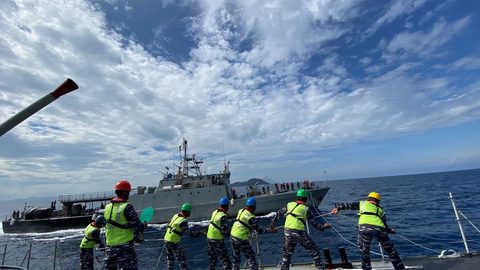 Thailand Island Hopping Ferries How the Islands Actually Connect
Ferry connections across Thailand's islands and Bali to Nusa Penida: real door-to-door transfer times, speedboat safety, and why transfer days eat a full day.
Thailand Island Hopping Ferries How the Islands Actually Connect
Ferry connections across Thailand's islands and Bali to Nusa Penida: real door-to-door transfer times, speedboat safety, and why transfer days eat a full day.
-
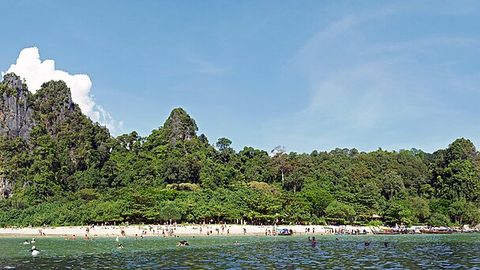 Thailand and Bali Itineraries for Two Weeks Three Weeks and What Fits
Realistic Thailand and Bali itineraries for 10 days, two weeks, and three weeks that account for ferry transfer days eating a full day each.
Thailand and Bali Itineraries for Two Weeks Three Weeks and What Fits
Realistic Thailand and Bali itineraries for 10 days, two weeks, and three weeks that account for ferry transfer days eating a full day each.
-
 Thailand and Bali Budget Islands What a Week Actually Costs Island by Island
Island-by-island weekly budgets for Thailand and Bali: real nightly rates, street food prices, scooter rental, and the hidden costs that blow the plan.
Thailand and Bali Budget Islands What a Week Actually Costs Island by Island
Island-by-island weekly budgets for Thailand and Bali: real nightly rates, street food prices, scooter rental, and the hidden costs that blow the plan.
-
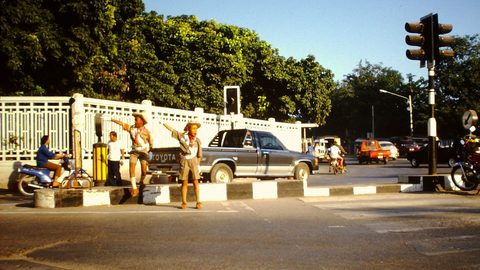 Scooters Boats and the Sea in Thailand and Bali What Actually Goes Wrong
Scooter rental scams, ferry safety in rough seas, and Nusa Penida road risks: what actually goes wrong in Thailand and Bali and how to avoid it.
Scooters Boats and the Sea in Thailand and Bali What Actually Goes Wrong
Scooter rental scams, ferry safety in rough seas, and Nusa Penida road risks: what actually goes wrong in Thailand and Bali and how to avoid it.
-
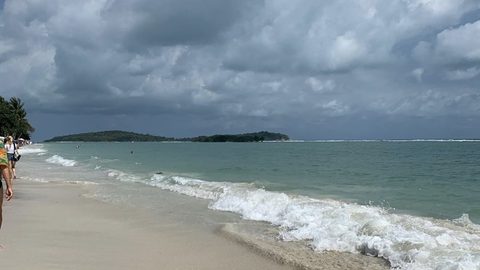 Koh Samui vs Koh Phangan vs Koh Tao Which Gulf Island to Choose
Compare Koh Samui, Koh Phangan, and Koh Tao on beaches, nightlife, diving, and ferry logistics to choose the right Gulf of Thailand island for your trip.
Koh Samui vs Koh Phangan vs Koh Tao Which Gulf Island to Choose
Compare Koh Samui, Koh Phangan, and Koh Tao on beaches, nightlife, diving, and ferry logistics to choose the right Gulf of Thailand island for your trip.
-
 Bali, Lombok, or Nusa Penida — Ferry Routes, Real Costs, and How to Decide
Compare ferry routes, crossing times, and real ticket prices for Bali, Lombok, and Nusa Penida — then match the right island to your trip length and goals.
Bali, Lombok, or Nusa Penida — Ferry Routes, Real Costs, and How to Decide
Compare ferry routes, crossing times, and real ticket prices for Bali, Lombok, and Nusa Penida — then match the right island to your trip length and goals.