Southeast Asian Islands During Monsoon Where Travel Still Works
A practical guide to Southeast Asian Islands During Monsoon Where Travel Still Works.
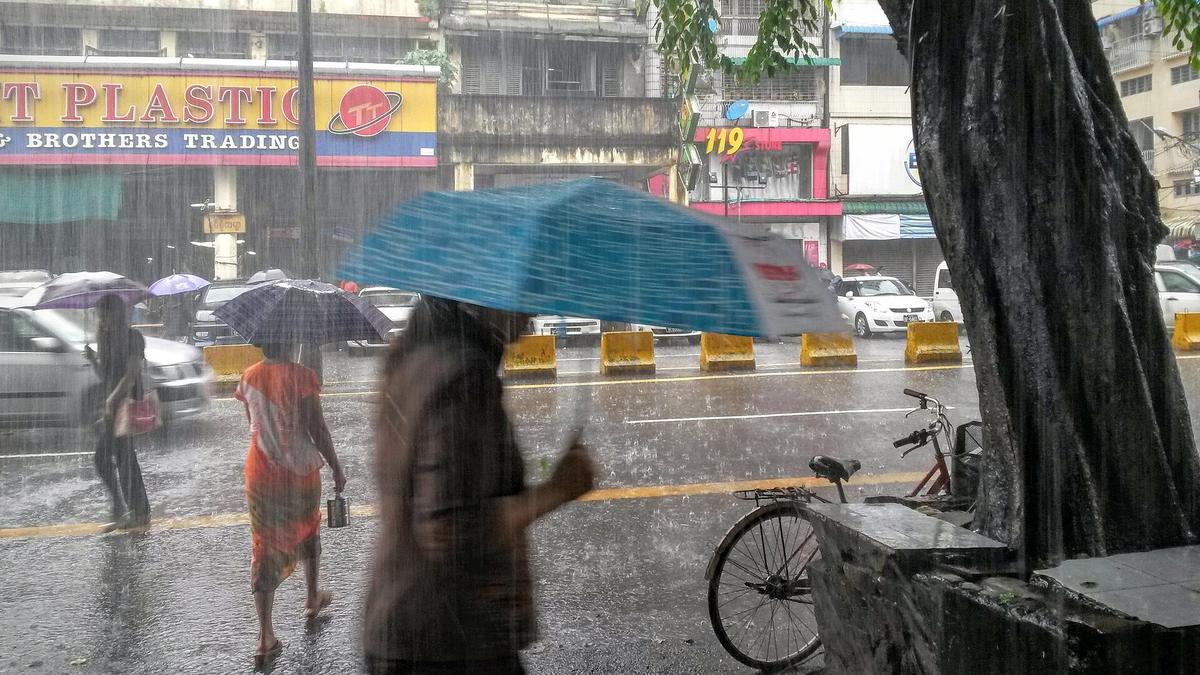

Where the monsoon means dry skies
A monsoon does not always mean rain. Across Southeast Asia, the northeast monsoon that arrives in late autumn brings opposing fortunes to different coastlines. For some islands, it is the start of the dry, sunny season that travellers chase. For others, it signals months of rough seas, closed resorts and plans best postponed. The trick is knowing which side of a landmass catches the wind and which sits in its shelter.
the guidance maps the islands where travel still works during the northeast monsoon months, drawing on meteorological data and official forecasts. It is written for the traveller who has a seasonal window and wants to match it to a destination where the weather is cooperating rather than complicating the trip.
Thailand splits in two
Thailand offers the clearest illustration of how a single country can deliver two completely different monsoon experiences at the same time. The Andaman Sea coast, home to Phuket, Krabi, Koh Phi Phi, Koh Lanta and Koh Lipe, enters its prime season from December to March. November acts as a transitional month during which rainfall drops sharply. Phuket town averages 178 mm in November and just 82 mm in December, based on Thai Meteorological Department normals from 1991 to 2020. By December, the Andaman islands are reliably dry and calm.
Across the peninsula, the Gulf of Thailand islands tell the opposite story. Koh Samui, Koh Phangan and Koh Tao experience their wettest month in November, when Koh Samui averages 444.6 mm of rain. That figure is the highest monthly total recorded among all Thai island stations in the same three-decade dataset. Travellers holding tickets for November in the Gulf should expect heavy, frequent downpours.
There is a third option that often gets overlooked. Thailand’s eastern islands, including Koh Samet, Koh Chang and Koh Kood, sit in their dry season from November to April. Koh Samet, measured at the Rayong station, averages just 44 mm in November and 7.5 mm in December, making it one of the driest Thai island choices during those months. For a traveller who wants Thai island life in November without the Andaman transition or the Gulf monsoon, the eastern islands are a strong recommendation.
Malaysia’s sheltered west
Malaysia’s east coast islands shut down almost entirely when the northeast monsoon arrives. The Perhentian Islands, Redang, Lang Tengah, Kapas and Tenggol see most resorts suspend operations from roughly November to February. Reporting from early November 2026 confirmed that about 90% of accommodation on Pulau Perhentian had already closed and the Kuala Besut tourist jetty was shut by authorities. A traveller aiming for Malaysia’s east coast during these months will find very few doors open.
Langkawi and Penang, on the west coast, are sheltered from the northeast monsoon and enjoy their driest stretch from December to March. Langkawi’s high season effectively begins in November and runs through April, with calm seas that allow all water-based activities to operate. The tradeoff is straightforward: give up the remote castaway feel of the Perhentians and gain a fully functional island holiday with reliable weather.
The Philippines and the amihan
The northeast monsoon is called the amihan in the Philippines, and it brings a cool, dry season to western-facing destinations from around late October or early November. Palawan, including El Nido and Coron, and Boracay fall under what the Philippine atmospheric agency PAGASA classifies as a Type I climate, with a dry season running from November to April.
There is an important caveat. PAGASA forecasts that one or two tropical cyclones may enter or form within the Philippine Area of Responsibility in November2026. Historical tracks show these systems typically make landfall over Bicol, Eastern Visayas or Caraga, though some may traverse toward Palawan. This is not a reason to avoid the Philippines in November, but it is a reason to monitor PAGASA advisories before and during travel. The dry season pattern is reliable in the aggregate, yet a single cyclone can disrupt a week’s plans. Checking the official PAGASA website for current warnings is a practical step rather than a precautionary footnote.
Maldives and Sri Lanka pick their coasts
The Maldives operates on a simpler monsoon calendar. The northeast monsoon, running from January to March, is the dry season. December is classified by the Maldives Meteorological Service as a transitional period between the wet southwest monsoon, which lasts from mid-May to November, and the dry northeast monsoon. The official tourism authority describes the November-to-April stretch as generally sunny, and the Maldives High Commission in Singapore calls it warm and dry. For a traveller who wants near-certain sunshine, January through March is the safest window. December can work but carries transitional variability.
Sri Lanka presents a coastal choice similar to Thailand’s. December marks the start of the dry season on the south and west coasts, including Galle, Hikkaduwa, Mirissa, Bentota and Unawatuna. Daytime temperatures sit at 27 to 30 degrees Celsius, with rainfall of 120 to 200 mm falling mostly as brief tropical showers. The east coast and north, however, remain in their wet season under the northeast monsoon. A December traveller to Sri Lanka should point toward the southern and western shores and leave the east for another trip.
Indonesia’s drier corners
Bali’s wet season runs from approximately November to April, but the label can mislead. Indonesia’s meteorology agency BMKG predicted that November2026 rainfall for most of Bali would fall in the low category, between zero and 100 mm, with below-normal rainfall characteristics. The season typically brings short afternoon downpours and beaches that accumulate debris, but mornings often stay sunny. Bali in November is not a washout, just less predictible than in the dry season.
Lombok and the Gili Islands, just east of Bali, are generally drier. Lombok’s south coast near Kuta averages 227 mm in November with rain on about 14 of 30 days, based on climate data from 2015 to 2025. The islands remain usable through the month, with sunny mornings being the norm. For a traveller set on Indonesia during the monsoon months, shifting the trip from Bali to Lombok and the Gilis tilts the odds toward better weather.
One practical note concerns ferry travel. Boat services between Bali and the Gili Islands can face cancellations during the November-to-February wet season due to rough seas. The slow public ferry has a reputation for being more reliable than fast boats when conditions deteriorate, but no traveller should assume any service will run. Checking marine weather warnings from BMKG before committing to an inter-island crossing is the only way to make an informed decision on the day.
How to choose when the map is mixed
The northeast monsoon does not create a simple good-or-bad map. It creates a set of tradeoffs that reward a traveller who is willing to match a specific month to a specific coastline. November favours Thailand’s eastern islands and Langkawi while the Andaman coast transitions and the Gulf of Thailand peaks in rainfall. December opens the Andaman fully, starts Sri Lanka’s southern season, and puts the Maldives in its transitional window. January through March lock in the Maldives, the Andaman, and the Philippines’ western islands, though the Philippines carries a cyclone risk that demands monitoring.
A traveller who cannot shift dates but can shift destinations will find an island in season somewhere in Southeast Asia during any month of the northeast monsoon. The research points to one consistent rule: check which side of the landmass you are booking, and check the official forecaster before you commit.
Sources and verification
- meteorology.gov.mv — Research source checked for this guide
- maldivesmission.sg — Research source checked for this guide
- visit-thailand.org — Research source checked for this guide
- thestar.com.my — Research source checked for this guide
- visitlangkawi.org — Research source checked for this guide
- philippinestourism.org — Research source checked for this guide
Common Questions
Can I visit the Perhentian Islands in December?
Most resorts on the Perhentian Islands and other Malaysian east coast islands suspend operations from roughly November to February due to the northeast monsoon. Reporting from early November 2026 indicated about 90% of accommodation on Pulau Perhentian had already closed and the tourist jetty was shut by authorities. A December visit is not practical for most travellers. Check with individual resorts and MetMalaysia for the current season's closure and reopening dates.
Is Bali a bad choice during the monsoon months?
Bali's wet season runs from approximately November to April, but it is not a continuous downpour. The season typically brings short afternoon downpours and beaches can accumulate debris, while mornings often remain sunny. BMKG predicted November 2026 rainfall for most of Bali in the low category, between zero and 100 mm. It is less predictable than the dry season, but not a write-off. For drier conditions nearby, Lombok and the Gili Islands average less rainfall.
Which Thai islands are best in November?
Thailand's eastern islands, including Koh Samet, Koh Chang and Koh Kood, are in their dry season from November to April. Koh Samet averages just 44 mm of rain in November. The Andaman coast islands such as Phuket and Krabi are in a transitional month with declining rainfall, while the Gulf of Thailand islands like Koh Samui experience their wettest month. For the most reliable November weather, the eastern islands are the strongest recommendation.
Does the Philippines have typhoons during the dry season?
The northeast monsoon brings a dry season to western-facing destinations like Palawan and Boracay from November to April, but tropical cyclones can still occur. PAGASA forecast one or two tropical cyclones may enter or form within the Philippine Area of Responsibility in November 2026. Historical tracks show they typically make landfall over Bicol, Eastern Visayas or Caraga, though some may traverse toward Palawan. Monitor PAGASA advisories before and during travel.
Read next
-
 Bali vs Lombok for Your Trip Based on Budget, Season and Travel Time
Compare Bali and Lombok by daily budget, weather, transfer time, surfing, trekking, and quieter beaches to choose the right island for your trip.
-
 Phuket or Koh Samui for a Week in Thailand When Weather and Costs Matter
Phuket or Koh Samui for one week? Compare seasonal weather, flights, ferries, transport costs, and realistic daily budgets before choosing your base.
-
 When to Visit Thailand, Bali, and China on an Extended Asia Itinerary
How to sync Thailand, Bali, and China into one itinerary, plus which months make all three destinations work at the same time.
-
 Getting to Indonesia's Eastern Islands Without Routing Through Bali
Skip the Bali default. Here's how to reach Flores, Komodo, and Raja Ampat through Makassar, Lombok, and Surabaya with real costs.